The Indian Army is removing colonial-era vestiges, discontinuing swords for reviewing officers and pouch belts. It is introducing the indigenous Bandi jacket and renaming roads and buildings to align traditions with India’s sovereign identity.
New Delhi [India], June 14 (ANI): The Indian Army has removed several colonial-era vestiges from its dress regulations, the mandatory carriage of swords by Reviewing Officers, and the use of pouch belts with certain mess dresses. It has also dropped the use of archaic terminology such as “Royal”. The Army is introducing the indigenous Bandi jacket as part of civil formal dress in a broader effort to align military traditions with India’s sovereign identity.
New ‘Army Uniforms-2026 Pamphlet’ Details Changes
The changes are elaborated in the newly issued Army Uniforms-2026 Pamphlet, which standardises dress regulations across the force while introducing what the Army describes as a deliberate move away from residual colonial-era symbols and terminology. The rationale behind the changes is explicitly outlined in a chapter titled “Indigenisation and Alignment with National Ethos.” The manual states, “In keeping with the nation’s sentiments and evolving sovereign identity, a number of deliberate refinements have been incorporated in this edition of Army Uniforms Pamphlet.”
Among the changes is the introduction of a closed-neck coat, commonly known as a Bandi jacket, to be worn over a full-sleeved shirt with matching formal trousers and closed footwear, bringing an indigenous element as part of formal civil attire for officers. The manual authorises that the Army has also removed the pouch belt from Mess Dress Nos ‘5’ and ‘6’, made the carriage of swords by Reviewing Officers optional, and discontinued the use of archaic terminology such as “Royal”, all of which had remained embedded in military traditions inherited from the colonial period.
According to the manual, these measures are part of a wider review of legacy practices. The document states: “These measures, reflected at appropriate places across this Pamphlet and further listed herein, include the introduction of the Bandi Jacket as part of civil formal dress, removal of the pouch belt from Mess Dress Nos. 5 and 6, the stipulation that sword carriage by Reviewing Officer is optional and discontinuation of archaic terminology such as ‘Royal’.”
Carriage of Swords Restricted
In another major change, the manual narrows the occasions on which swords may be carried. Swords will now be carried only by parade commanders, contingent commanders and designated personnel during major ceremonial events such as Republic Day, Independence Day, Army Day parades and Guards of Honour. The regulations further specify: “Reviewing Officers will not carry sword on parade.”
The Army has described the reforms as a balancing act between modernisation and preservation of military traditions. The manual notes: “Collectively, these refinements represent a progressive review of residual colonial-era vestiges while preserving the dignity, functionality and enduring traditions of the Indian Army.” The push to move away from colonial-era practices is also reflected in the foreword to the manual. It states that the 2026 edition “reflects a considered step towards aligning our dress regulations with contemporary Indian ethos through the progressive removal of residual colonial-era practices, accoutrements and terminology.”
New Winter Dress and Appearance Guidelines
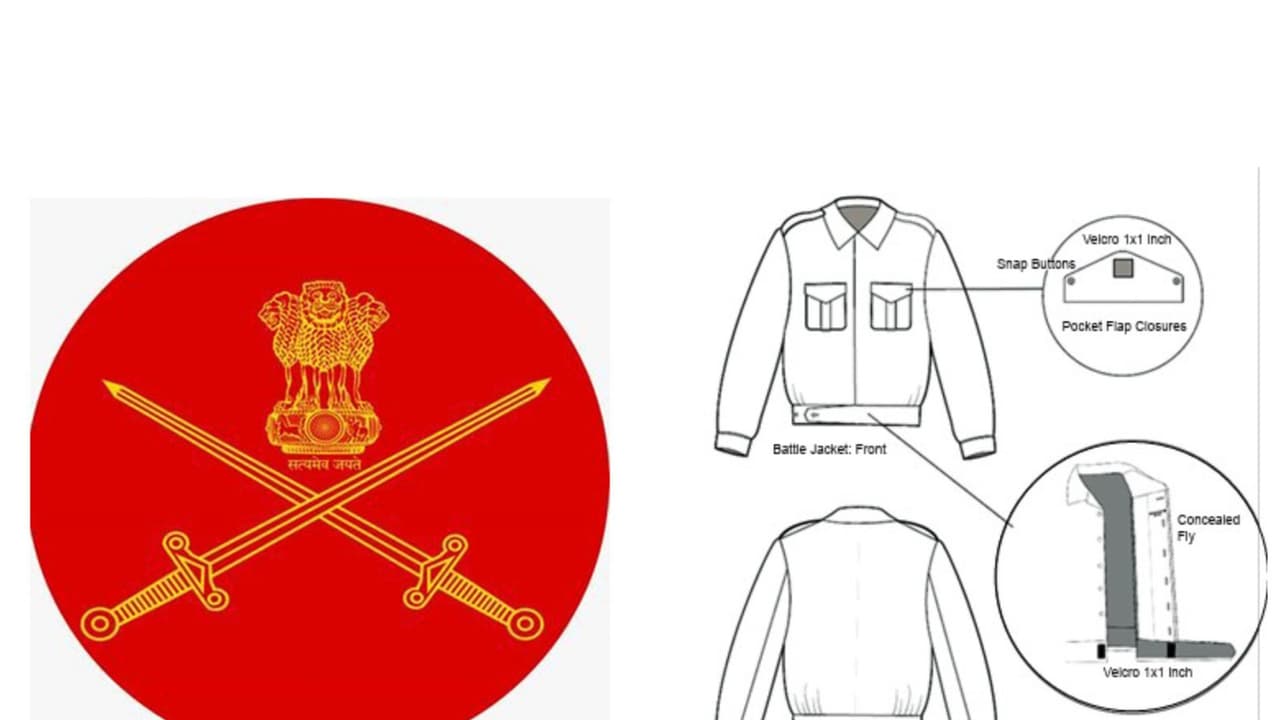
Apart from the symbolic changes, the Army has introduced a new winter working dress featuring a Battle Jacket, which will gradually replace the existing jersey-based winter uniform (Dress 3A) by June 2029. The Battle Jacket has been reintroduced as the standard winter outerwear for all ranks, with a three-year transition period for implementation.
The manual also lays down extensive guidelines on personal appearance, military bearing and conduct in uniform. It bars radical hairstyles, unauthorised beards, visible electronic gadgets, tattoos, body piercings and cosmetic make-up while in uniform. It also prohibits the wearing of uniform at political, religious or protest gatherings, weddings, private parties and paid media appearances without authorisation. Describing the broader objective of the reforms, the concluding section of the manual says the Army Uniforms Pamphlet 2026 represents “a deliberate and balanced progression towards standardisation, simplification and modernisation of dress regulations in keeping with the evolving ethos of the Indian Army.”
Renaming Initiative to Honour Indian Heroes
Earlier this year, the Indian Army undertook a major initiative to discontinue colonial-era legacies by renaming 246 roads, buildings and facilities across its establishments. This move is aimed at strengthening an institutional identity rooted in India’s own history, ethos and military traditions, while honouring the nation’s gallantry awardees, war heroes and distinguished military leaders. According to Indian Army officials, the exercise covered 124 roads, 77 colonies, 27 buildings and other military facilities, and 18 miscellaneous facilities, including parks, training areas, sports grounds, gates and helipads.
Officials said the initiative also reflects an enduring national commitment to commemorate valour and sacrifice. Recent national efforts to honour the legacy of the nation’s bravest include dedicated commemorations of Param Vir Chakra awardees, reinforcing the centrality of India’s heroes in public and institutional memory. In various cantonments and military stations, the renaming of roads, facilities and colonies is being undertaken to honour Indian soldiers and commanders, including gallantry award recipients and eminent military personalities, officials said.
As part of this process, several British-era road and locality names are being replaced with names that reflect Indian valour, sacrifice and leadership. In Delhi Cantonment, Kirby Place (officers’ accommodation) has been renamed Kenuguruse Vihar, while Mall Road has been renamed Arun Khetrapal Marg. In Ambala Cantonment, Patterson Road Quarters is now known as Dhan Singh Thapa Enclave, and in Mathura Cantonment, New Horn Line has been renamed Abdul Hamid Lines. Similar changes have been implemented elsewhere, with Queens Line Road in Jaipur Cantonment becoming Sundar Singh Marg, New Birdwood Line in Bareilly Cantonment being renamed Thimayya Colony, and Malcolm Lines in Mhow Cantonment renamed Piru Singh Lines.
At the Indian Military Academy in Dehradun, Colins Block and Kingsway Block have been renamed Nubra Block and Kargil Block, respectively. In Kolkata, Fort William has been renamed Vijay Durg, while the sports complex in Rangapahar Military Station has been renamed Laishram Jyotin Singh Sports Complex. At Zakhama Military Station, Spear Lake Marg has been renamed Hangpan Dada Marg. These names commemorate exemplary courage and service across multiple campaigns, alongside recognition of eminent military leadership, according to the Indian Army.
Even earlier, on February 24, 2023, the Indian Army had discontinued several colonial-era practices, including the use of horse-driven buggies at functions, ceremonial pull-out events during retirements, and pipe bands during dinners. Through this initiative, the Indian Army reiterates its commitment to preserving the nation’s sovereignty and integrity and ensuring that the spaces where soldiers and their families live, train and serve visibly reflect India’s own heroes, legacy and values. (ANI)
(Except for the headline, this story has not been edited by Asianet Newsable English staff and is published from a syndicated feed.)