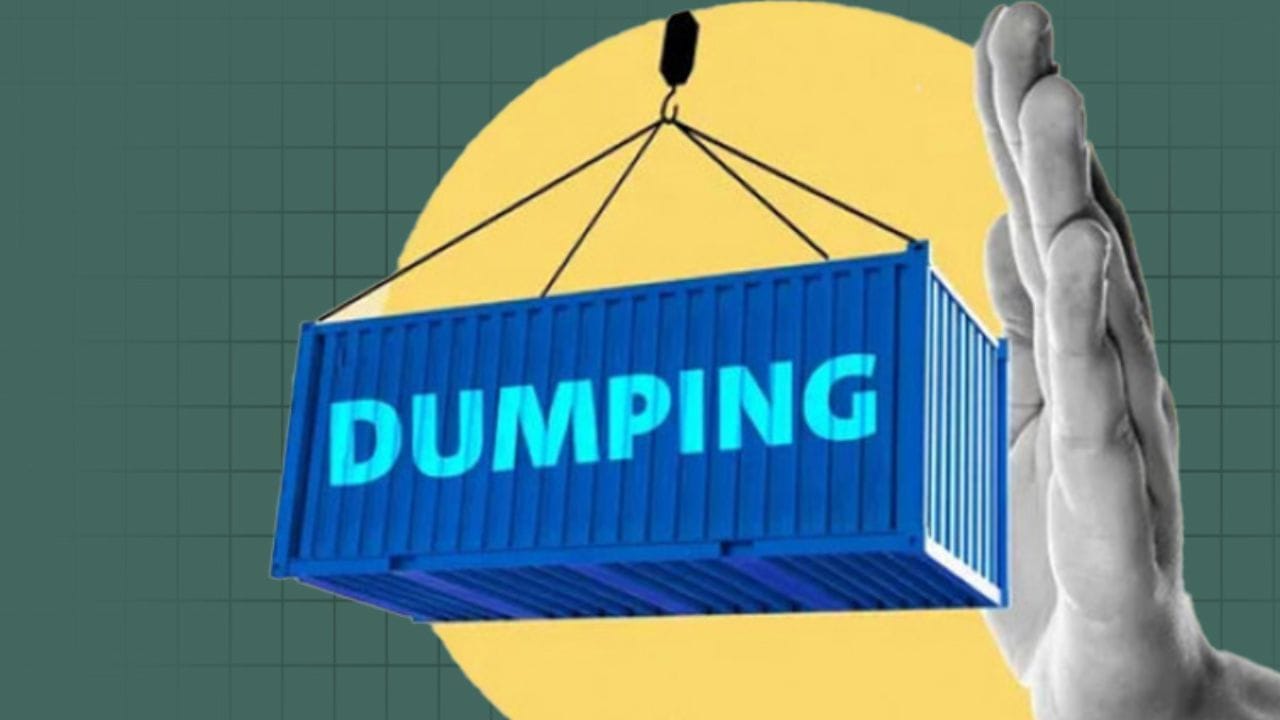
India will save ₹28,540 crore by stopping foreign dumping
According to a new research report, if India strategically implements anti-dumping duty to stop the flood of cheap foreign goods (especially dumping from China and other countries), it will help the country save foreign exchange outflow of ₹28,540 crore every year. Due to the imposition of this duty, foreign products will not be able to be sold cheaper than locally made goods in the Indian markets. Due to non-implementation of the recommended anti-dumping duties in India, the domestic industry is suffering a loss of Rs 11,938 crore annually. However, additional foreign exchange of Rs 28,540 crore can be saved every year due to reduction in imports due to the implementation of these duties. This information was given in a report on Tuesday.
The country is suffering losses
The Directorate General of Trade Remedies (DGTR), which operates under the Commerce Ministry, investigates dumping of cheap goods into India, while the final decision to impose these duties is taken by the Finance Ministry. According to this report by C-DEP Research and Center for WTO Studies, this loss is being incurred due to non-implementation of anti-dumping duty recommended by DGTR on 56 products.
The report says that if these duties are implemented, domestic manufacturers will be able to meet the demand instead of imports, which will lead to significant saving of foreign exchange.
What does the study say?
According to the report, a study of 33 products found that due to cheap imports, there is currently an economic loss of about Rs 1.54 lakh crore, which may increase to Rs 2.70 lakh crore by 2030. During the same period, employment loss is also estimated to increase from approximately 24,000 to 38,000-42,000. Anti-dumping duties are measures that governments use to protect domestic industry from underselling by foreign companies. Dumping occurs when a product is exported to another country at a lower price than its domestic market.
DGTR recommendations
According to the report, there has been a change in the trend of implementing DGTR recommendations in recent years. While about 99.5 percent of the recommendations were implemented by the year 2020, the rejection rate of recommendations increased to 81 percent between November, 2025 and April, 2026, which was earlier 16 percent in April-November, 2025.
According to the report, anti-dumping duties in the US remain in force for an average of 16.26 years, while in India this period is around 6.97 years. The report says that timely implementation of these duties is necessary to maintain the capacity and investment of the domestic industry.