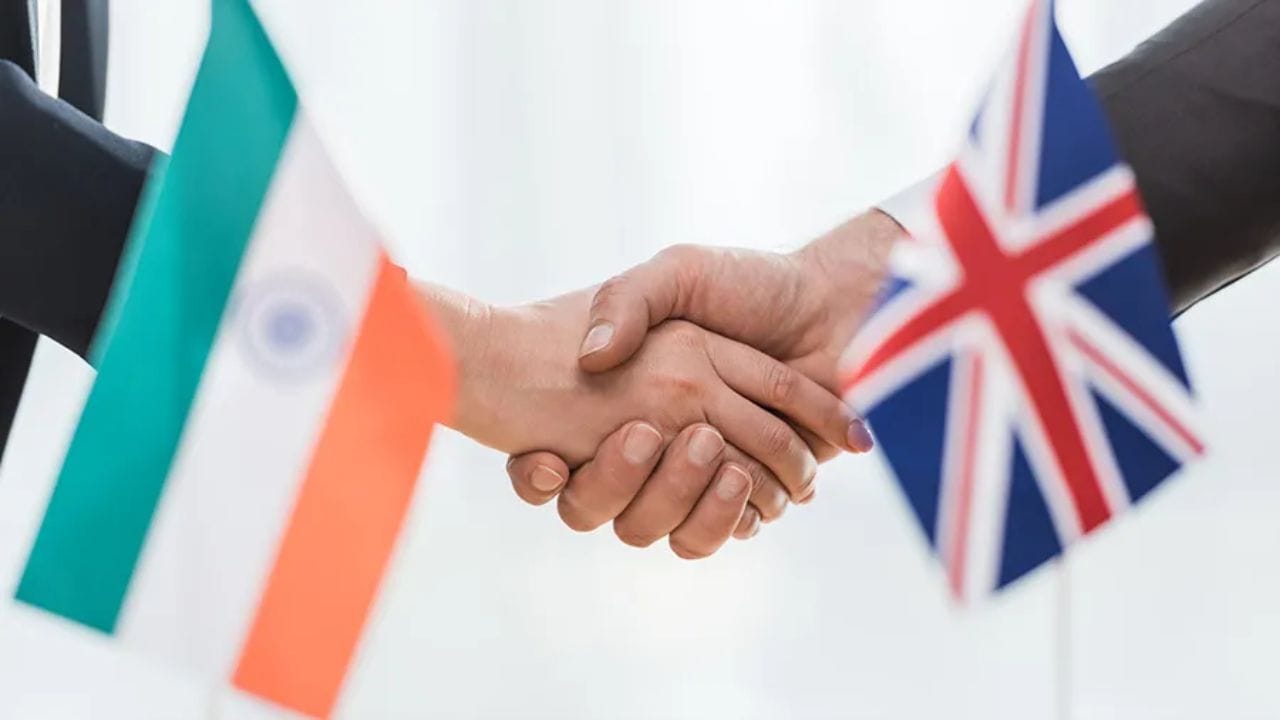
Business and industry groups in India and the UK have welcomed the Free Trade Agreement (FTA) which came into effect from Wednesday. This will lead to huge reduction in tariffs and greater movement of goods and services on both sides will boost mutual trade. In July last year, the Comprehensive Economic and Trade Agreement (CETA) was signed between Prime Minister Narendra Modi and his UK counterpart Keir Starmer after 14 rounds of talks. The report said that it is expected that this will at least double the current annual trade between the two countries (which is estimated at 48 billion pounds) by 2030 and in the long run their GDP will also increase by about 5 billion pounds every year. According to UK government estimates, cited separately by British officials, the long-term benefits to GDP would be even greater. By 2040 it could reach £4.8 billion, with mutual trade expected to increase to £25.5 billion. Let us also tell you what the Apparel Export Promotion Council said on this occasion…
AEPC welcomed the deal
Apparel Export Promotion Council (AEPC) also welcomed the implementation of the India-United Kingdom Foreign Trade Agreement (FTA). Describing this as a major transformational milestone, it was said that this will significantly strengthen India’s apparel exports, deepen its connectivity with the global value chain and further strengthen India as a preferred sourcing destination for international brands. Under this agreement, which came into effect from July 15, 2026, approximately 99 percent of Indian exports to the United Kingdom will get duty-free access, which will provide a huge competitive advantage to India’s labour-intensive textile sector. Welcoming this development, AEPC Chairman Dr. A Sakthivel said that the implementation of India-UK FTA is an important turning point for India’s textile and apparel industry. This will provide a significant competitive edge to Indian exporters in the UK market, increase market access, bring investment, generate employment and strengthen India’s position in the global textile and apparel value chain.
This deal is important for the apparel industry
Dr. Shaktivel said that India has entered a new phase of trade diplomacy. These agreements are not just about reducing tariffs—they are about connecting India deeper with global supply chains and making the country a preferred sourcing destination for international brands looking for strong, reliable and sustainable manufacturing partners. Emphasizing India’s strengths, Dr. Sakthivel said that the country has one of the few integrated fiber-to-fashion ecosystems in the world, which includes cotton cultivation, spinning, weaving, processing and garment manufacturing. This integrated value chain helps Indian exporters to better meet the ‘Rules of Origin’ requirements. It also provides greater transparency, traceability, and reliability in the supply chain—qualities that global buyers are increasingly seeking.
India will benefit a lot
He said that in today’s business environment, competitiveness is not limited to tariffs alone. Global buyers are increasingly preferring suppliers that can demonstrate compliance, sustainability, digital traceability, responsible manufacturing and supply chain strength. India’s integrated manufacturing ecosystem and the benefits of the India-UK FTA will put the country in a strong position to capture a larger share in global sourcing. Dr. Shaktivel said that government initiatives like PM MITRA Park, Production Linked Incentive (PLI) Scheme, improvement in logistics and ease of doing business measures will further increase India’s competitiveness. Dr. Sakthivel said that the India-UK FTA is not just a trade deal, but a strategic instrument that will reshape sourcing decisions, strengthen India’s role in the global value chain and accelerate export-led growth.