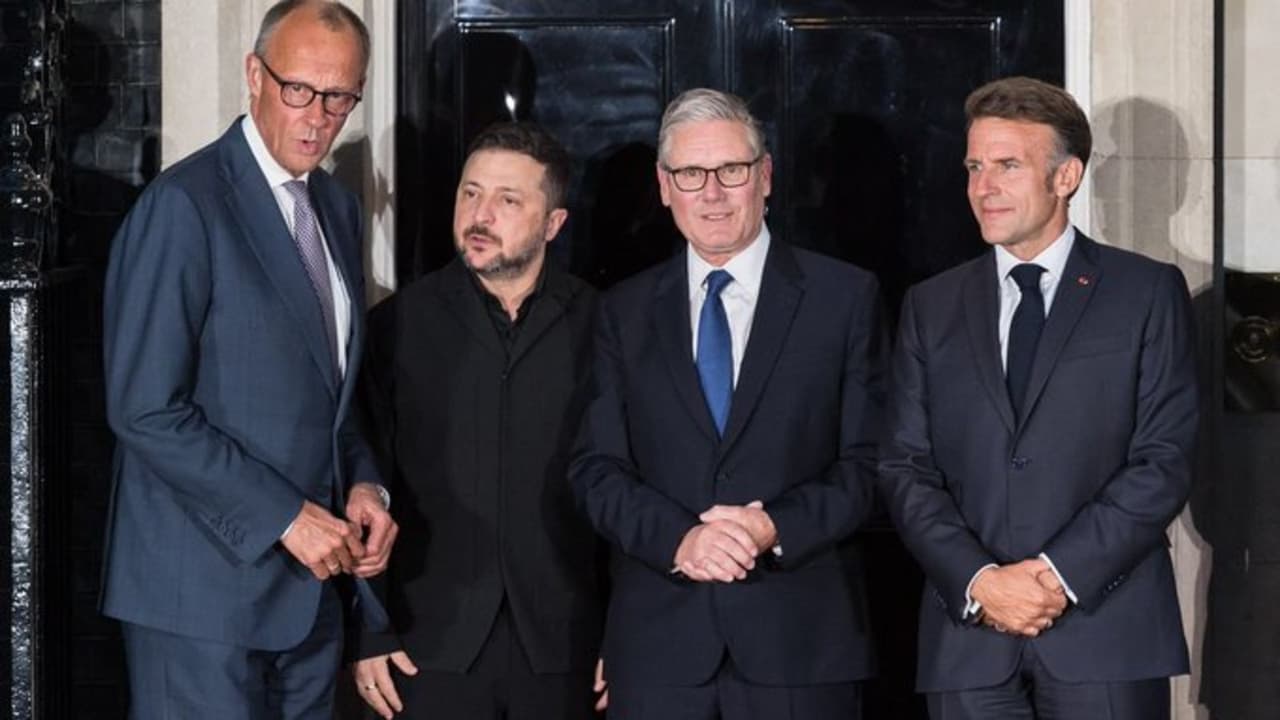
Why is Zelensky missing from Trump’s list at the G7 summit – is Ukraine being deliberately sidelined? Meetings with India, UAE and Arab leaders, but why did Ukraine not get bilateral space? Has the G7 agenda shifted towards the Middle East amid the Russia-Ukraine war? Is a serious diplomatic rift emerging between America and Europe over support for Ukraine?
Paris/New Delhi: Paris/New Delhi: The grand stage of ‘G7’, the organization of the world’s most powerful countries, has been staged on French soil. The eyes of the whole world are fixed on what new turn this summit will give to the global politics which is burning in the fire of war. But meanwhile, a diplomatic news coming out of France has stunned the strategists of the whole world. The list of high-profile bilateral meetings of US President Donald Trump has created a stir in the Ukrainian camp. The name of Indian Prime Minister Narendra Modi is included in this list with full respect, but the name of Ukrainian President Volodymyr Zelensky, who has become the ‘poster boy’ of Western countries, is mysteriously missing.
The biggest shock of diplomacy: When Biden’s friend was left out of Trump’s list
Zelensky, who was always seen standing next to American Presidents at the G7 and other global forums for the past several years, has been given a big ‘cold shoulder’ (ignorance) by the Trump administration this time. A very senior official of the US administration has confirmed on the condition of anonymity that during this summit which will run from June 15 to 17, Donald Trump will hold one-to-one (face-to-face) closed-door meetings with several heads of state.
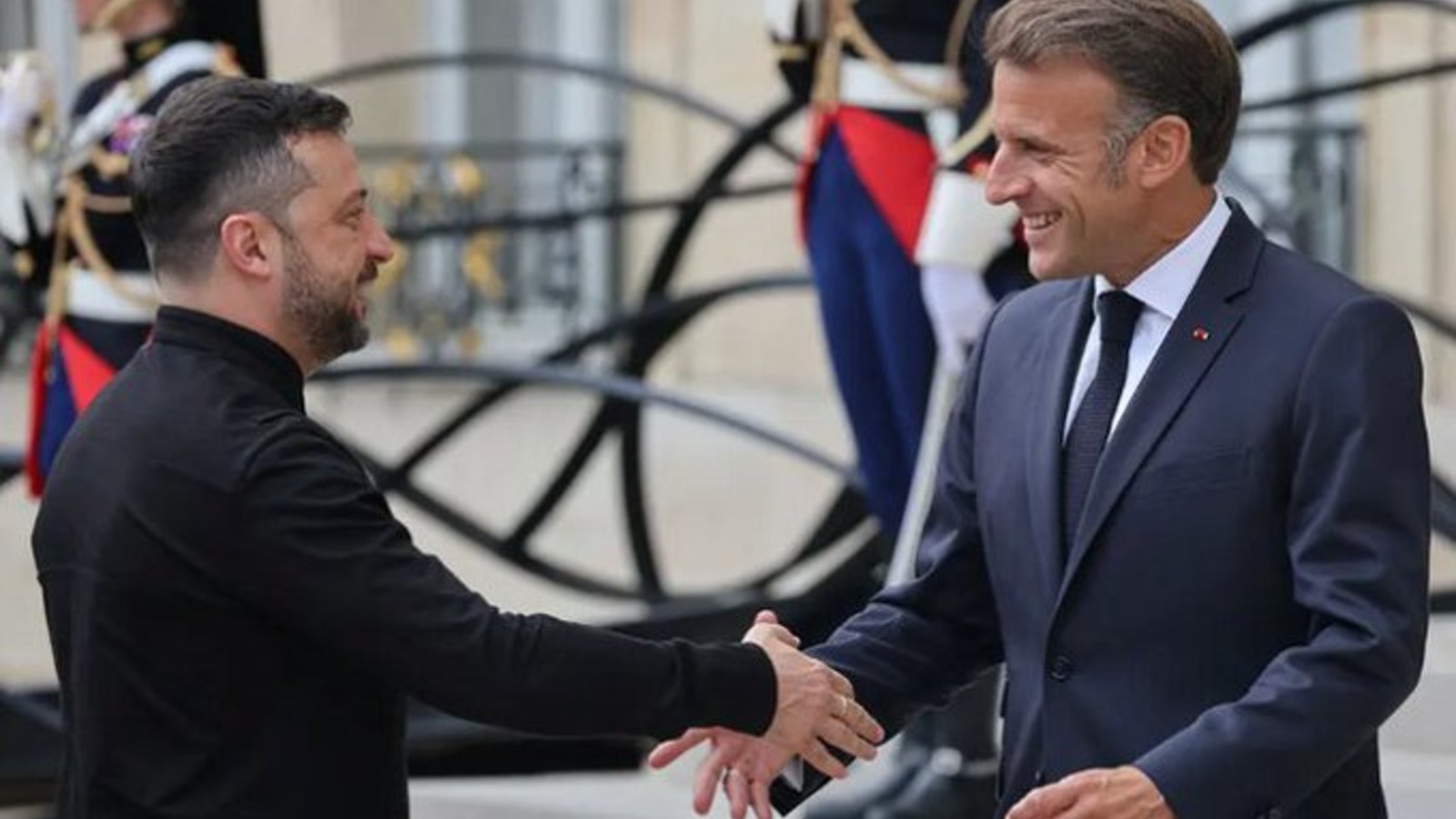
This privileged list includes Indian PM Narendra Modi, French President Emmanuel Macron and senior leaders of Qatar, United Arab Emirates (UAE) and Egypt. But the surprising thing is that despite his presence in France, no separate bilateral meeting of Trump with Zelensky has been scheduled. This decision has confirmed that after the change of power in the White House, Washington’s priorities have completely changed.
Suspense behind the scenes: Has Trump decided ‘the end’ of the Ukraine war?
After all, what is the real reason behind this diplomatic indifference? Has there been a secret deal between Russia and America behind the scenes, or has Trump decided to leave Ukraine on its own? According to the British newspaper ‘The Guardian’, a US official has indicated that Russia’s military advantage on the battlefield has now “almost come to a standstill” and the US administration is in no mood to prolong the conflict any longer. “We want this war to end as soon as possible,” the officer said bluntly. Experts believe that by not meeting separately, Trump has given a strong message to Zelensky that America has now completely stopped the policy of providing unlimited and unconditional military and financial assistance to Ukraine. Now the entire burden of this war and peace talks is being put on the shoulders of Europe, due to which the European countries are feeling very uncomfortable.
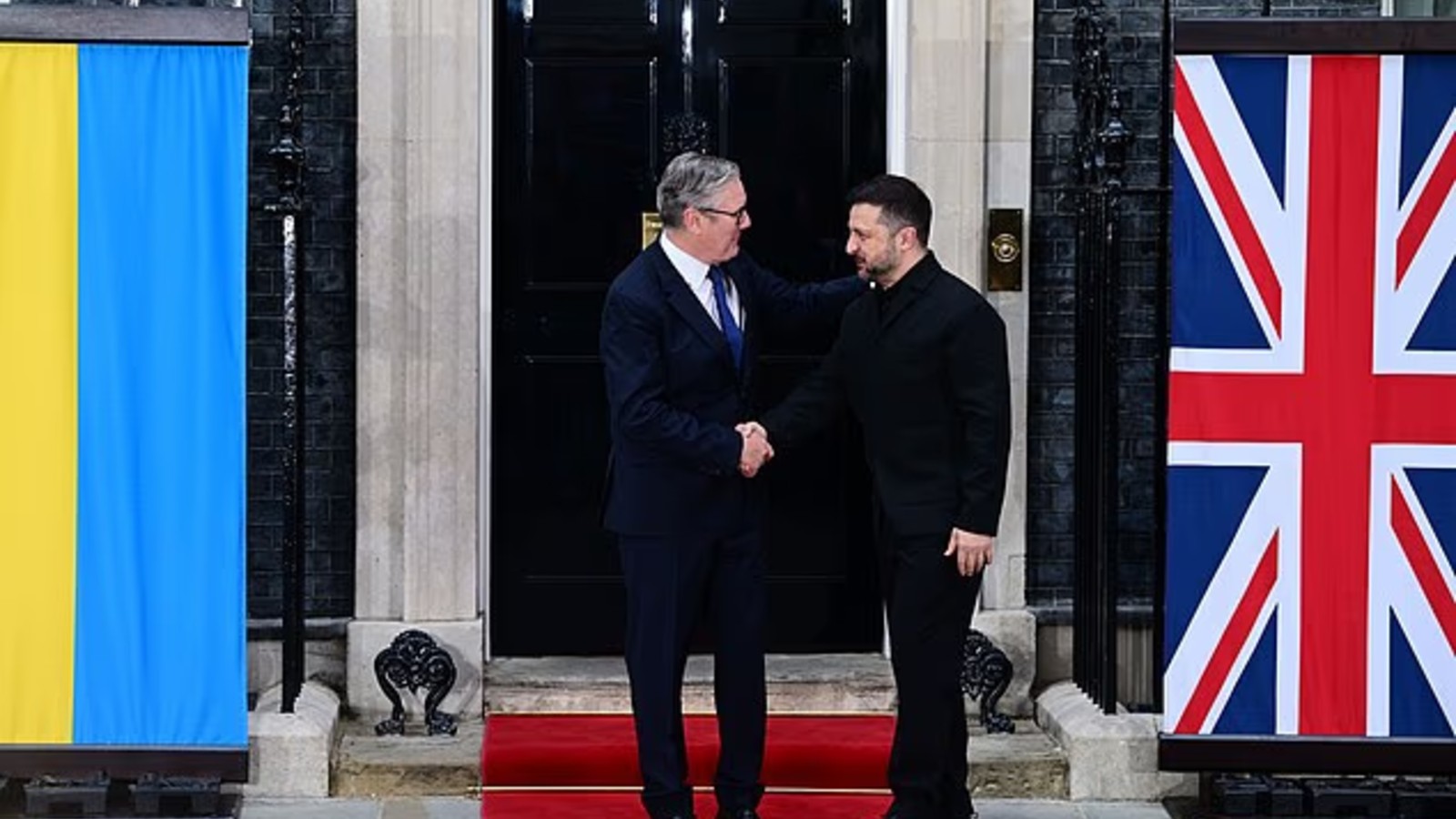
Show of working session: Will Zelensky remain just a part of the ‘crowd’?
However, a way has been found to hide this diplomatic bitterness from the world. According to the US administration, Trump and Zelensky, although not directly, will sit at the same table at a ‘working session’ of the G7 to be held on Tuesday. The main agenda of this session will be the Ukraine crisis. But experts in diplomacy know that there is a world of difference between participating in a multilateral working session and having bilateral talks between the heads of state of two countries behind closed doors. Despite Zelensky’s repeated requests that Europe and the US should give him a leading role in peace talks, this time he has been largely sidelined.
Why Zelensky’s status of ‘presence’ but ‘unseen’?
Although Zelensky will participate in the summit’s working sessions, the absence of a separate bilateral meeting with Trump is considered an unusual diplomatic gesture. This situation becomes even more important at a time when European countries are continuously talking about supporting Ukraine. According to sources, Trump and Zelensky will definitely attend a joint working session where the Ukraine war and security situation will be discussed, but the absence of a separate meeting is being seen as strategic distance.
World order changed: leaving Ukraine aside, eyes focused on Middle East and Hormuz
It is clear from this changed stance of the G7 Summit that now the world’s attention has shifted from the quagmire of Ukraine and Russia to the powder keg of the ‘Middle East’. This time the main agenda of the summit will focus on the possible war situation with Iran, the ongoing tension in the Middle East and the security of the world’s most sensitive trade route ‘Strait of Hormuz’.
All eyes on Trump-Modi meeting
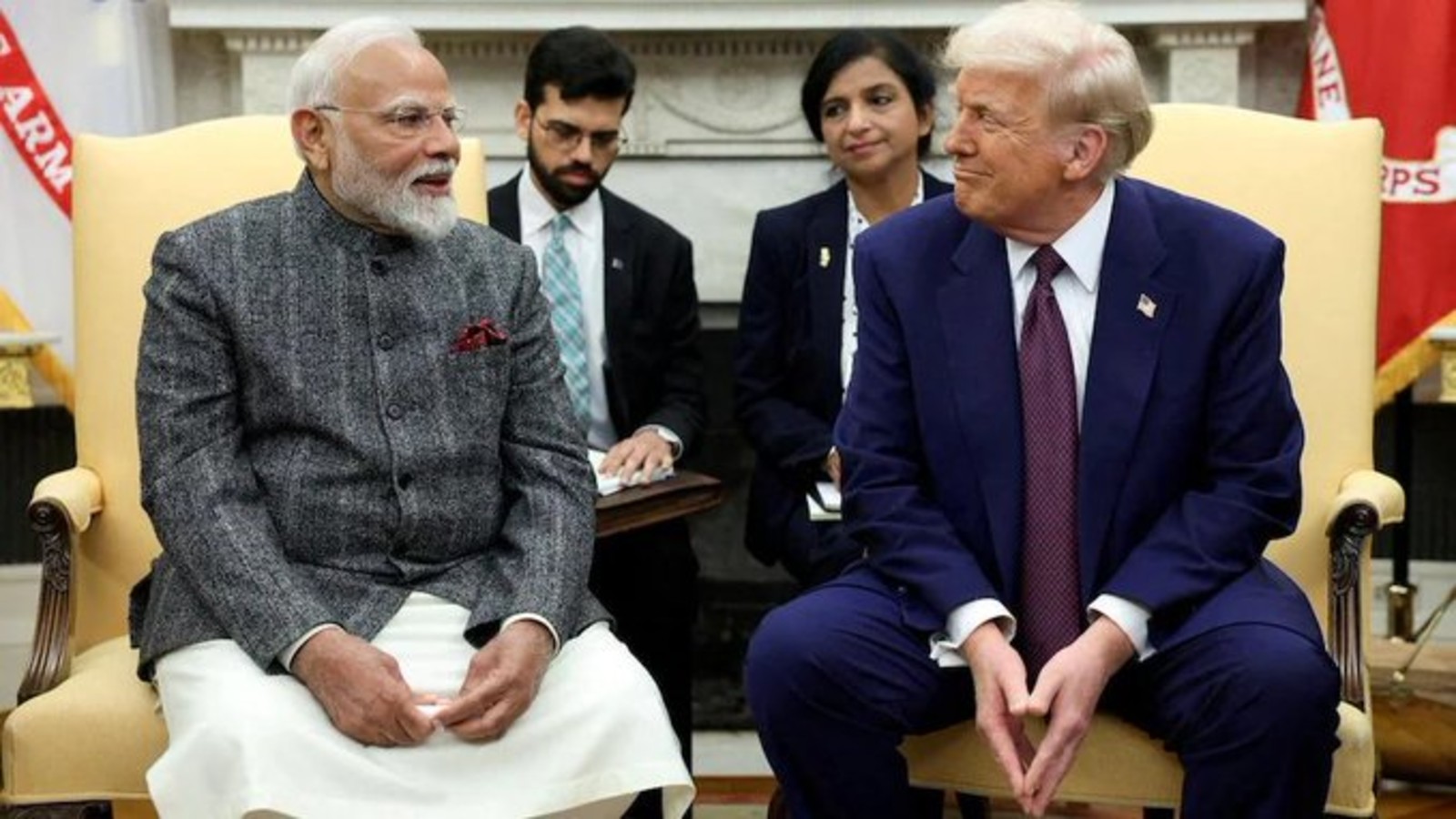
On the other hand, the eyes of the whole world are on the upcoming mega meeting between Trump and PM Modi. While on one hand the US has pulled out of Ukraine, on the other hand it is pursuing a deep partnership with India on energy cooperation, major trade agreements, H-1B visa policies and regional security. This great meeting proves how decisive India’s role is going to be in the coming new ‘world order’, while the path ahead looks very bleak for Ukraine.
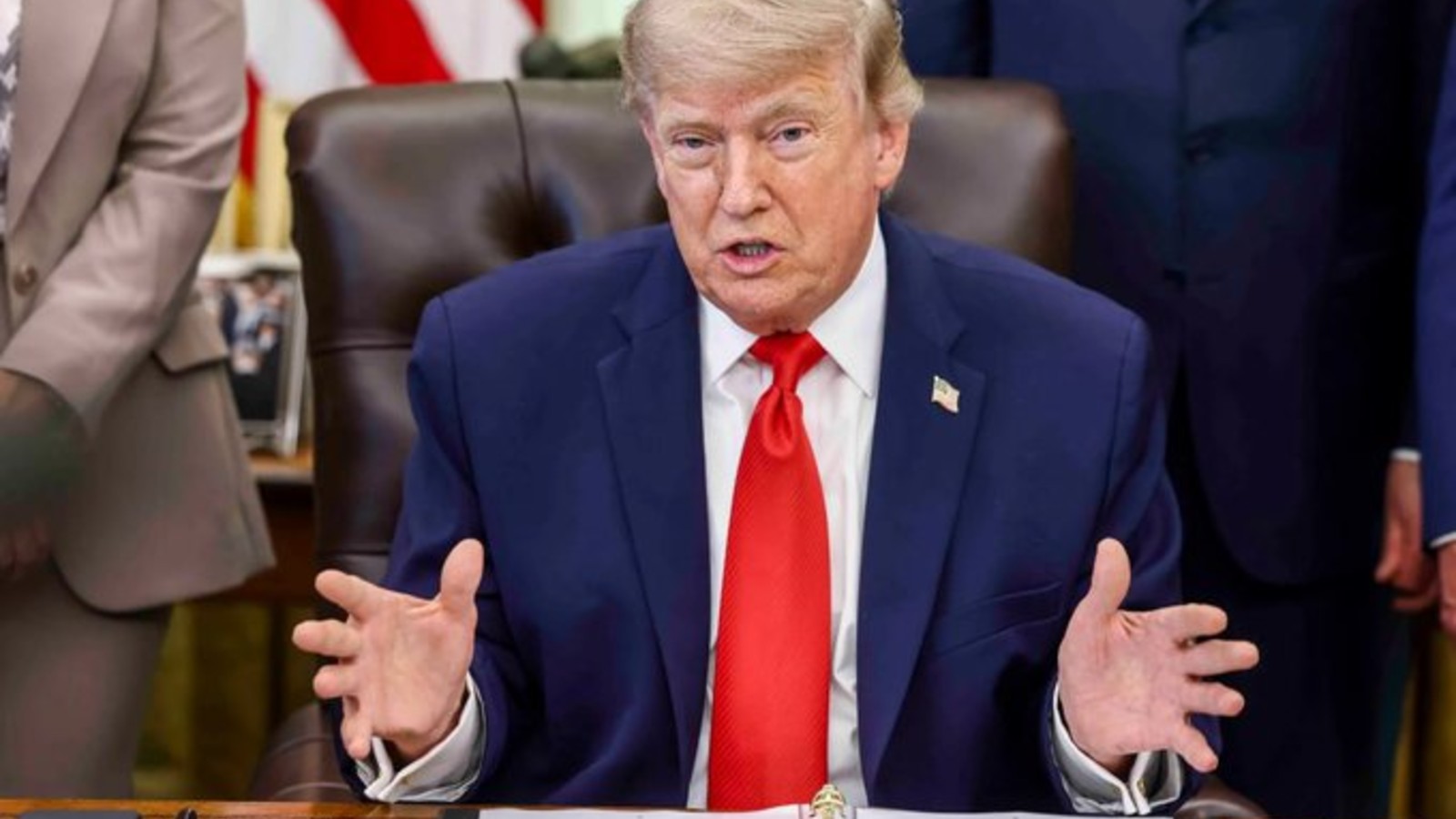
War, energy and the Middle East: the G7’s changed agenda
This time the focal point of the G7 summit seems to be not Ukraine but the Middle East crisis, tensions related to Iran and the security of the Strait of Hormuz. US officials say the pace of the Russia-Ukraine war has “almost plateaued”, shifting the focus of discussion to other global crises. While European leaders are advocating for maintaining support for Ukraine, a reduction in US military aid has further complicated the situation.
What is the global message – unity or division?
Trump’s meeting list and priorities at the G7 summit are raising the question whether the unity of Western countries is weakening. Active dialogue with Modi and Gulf leaders on the one hand, and absence of a separate meeting with Zelensky on the other – these diplomatic signals point to major changes in the global equations to come. Experts believe that this summit can prove to be the beginning of not only policies but also a new era of balance of power.