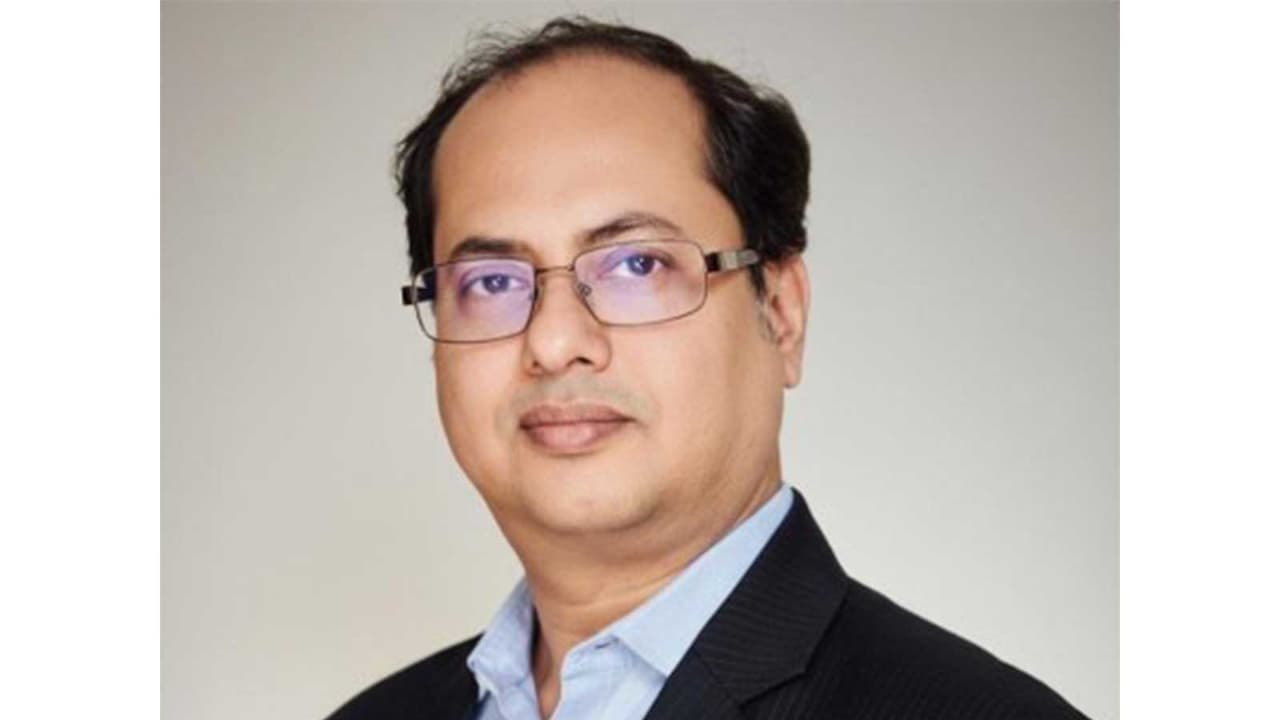
Vedanta’s Gouranga Sen told ANI that India could achieve 50% self-sufficiency in critical minerals in 5-10 years. He credited government reforms, incentives, and private participation for boosting exploration, mining, and processing in the sector.
India could become at least 50% self-sufficient in critical minerals within the next five to 10 years, thanks to government policy reforms and incentives that support exploration, mining, and processing, Vedanta’s Gouranga Sen, Group Head, Economic & Policy Analysis, Vedanta Ltd., told ANI on Tuesday.
“Critical minerals, we are into the exploration stage. I must thank the government for bringing lots of reforms in the critical mineral area, particularly for the incentives which were rolled out by the Indian government. I am sure in the next five to ten years India will become at least 50 per cent self-sufficient in the critical minerals, which is not there at this moment,” Sen told ANI on the sidelines of the Mining and Construction Equipment Summit organised by CII.
Govt Reforms and Vedanta’s Strategy
He said reforms undertaken by the government and the National Critical Mineral Mission have provided a strong policy push for the sector by encouraging private participation and supporting the entire critical mineral value chain.
“The Mines Ministry has already allowed private participation in the mining sector and through the National Critical Mineral Mission, huge incentives have been given for exploration, mining, processing and even for operation of overseas mines. I think that is the biggest area of development for the mining sector,” he said.
Vedanta’s Role in Exploration
On Vedanta’s strategy, Sen said the company is actively participating in auctions for critical mineral blocks and has already secured multiple blocks containing minerals such as tungsten and lithium. “We are participating in the auction for the critical mineral blocks. We already won a number of blocks with tungsten and lithium. At this point, we are in the exploration process. At the end of this exploration process, we will start mining,” he said.
He added that exploration work is also underway in other critical minerals, including nickel, cobalt and rare earths, while noting that rare earth projects are still at the exploration stage and would move to production and processing only after exploration is completed.
Broader Mining Sector Growth
Speaking about the broader mining sector, Sen said he expects strong growth over the next five years, with investments gathering pace across Vedanta’s mining and metals businesses. “In the next five years’ time, the mining sector has been geared up, particularly for the Vedanta Group. Across our mining and metals portfolio, we are going at a faster pace. I see lots of new things coming for the mining industry in India,” he said.
Commenting on geopolitical tensions, Sen said recent developments have created some disruption for the industry but are unlikely to alter the long-term demand outlook for critical minerals. “Oil and gas demand is not going to end over here. But lots of investment will come from the renewable energy sector. That will be a boost for minerals, particularly aluminium, copper and lithium,” he said.
Focus on Sustainability and Carbon Market
Sen also underlined the importance of developing a domestic carbon market, saying it would support sustainable industrial development and strengthen the competitiveness of Indian exporters. “We have been talking about the carbon credit market for long and it is in the right direction. Development of the domestic carbon market is important not only from the sustainability aspect but also for the overall sustainable development of the industry in the domestic market,” he said.
He added that Vedanta is increasing the use of renewable energy across its operations by procuring renewable power from the market and setting up solar power plants at its mining and metal facilities, while aluminium and copper produced by the company are widely used in renewable energy infrastructure. (ANI)
(Except for the headline, this story has not been edited by Asianet Newsable English staff and is published from a syndicated feed.)