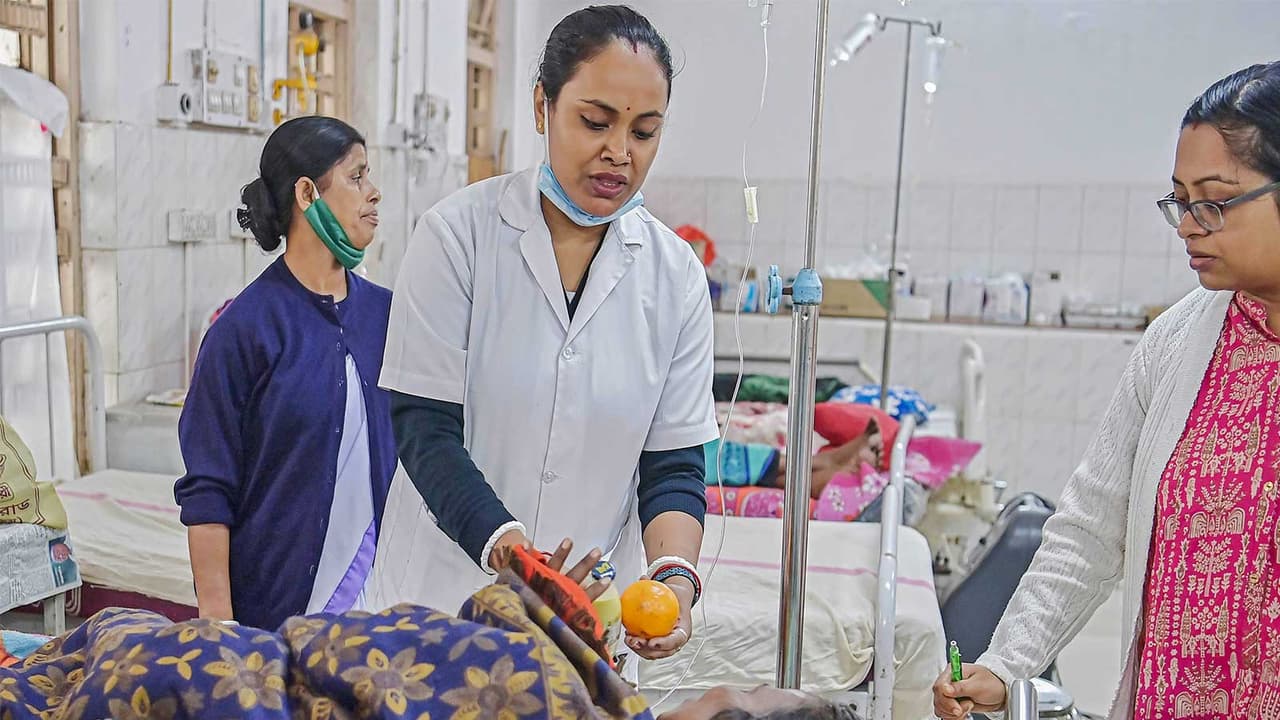
Experts stress the need for India to shift its healthcare strategy towards routine cancer screening and early detection, moving away from symptom-driven diagnosis. A 32% rise in cancer-related diagnostic tests highlights growing but insufficient awareness.
Cancer prevention and early detection must become central to India’s healthcare strategy, with a greater emphasis on routine screening rather than symptom-driven diagnosis, leading oncologists, radiologists, and laboratory experts said during a webinar on ‘Prevention and Early Detection of Cancer’ organised by Mahajan Imaging & Labs.
Rise in Preventive Screening Amidst Challenges
Reinforcing this shift towards preventive healthcare, the diagnostic network reported a 32% increase in cancer-related diagnostic investigations across its centres in Delhi-NCR between June 2025 and June 2026. The diagnostic data also showed a growing uptake of preventive screening across key cancers. Pap smear tests increased by 83%, Prostate-Specific Antigen (PSA) tests by 280%, while mammography examinations rose by 26%, reflecting greater participation in age-appropriate screening among both women and men.
However, the experts noted that despite improving awareness, India continues to rely largely on opportunistic screening, with many cancers still being diagnosed only after symptoms appear.
Advanced Diagnostics and New Facilities
The findings also highlighted the role of advanced diagnostics in facilitating timely intervention. During the study period, Mahajan Imaging & Labs conducted 5,063 breast imaging examinations, including mammography, breast MRI, and breast ultrasound, of which 411 identified suspicious findings requiring further clinical evaluation. Similarly, 192 of the 600 prostate MRI examinations performed during the same period revealed suspicious findings suggestive of clinically significant prostate cancer.
To further strengthen comprehensive cancer diagnostics, Mahajan Imaging & Labs has established a dedicated Whole Body MRI Centre in Gurugram, equipped with an AI-enabled wide-bore 3 Tesla MRI system designed to enhance diagnostic accuracy while improving patient comfort.
Expert Call for Routine Screening and Policy Support
Speaking during the webinar, Dr. Harsh Mahajan, Founder & Chairman of Mahajan Imaging & Labs and Mentor at FICCI Health, said, “The encouraging increase in preventive diagnostic investigations reflects growing awareness about the importance of early detection. However, awareness alone is not enough. Cancer screening must become a routine part of healthcare rather than something people consider only after symptoms appear. India needs organised screening programmes supported by sustained public awareness, workplace health initiatives, and policy measures that encourage preventive health checks. Detecting cancer early not only improves survival but also significantly reduces the physical, emotional, and financial burden of treatment.”
Causes of Rising Cancer Burden and Early Warning Signs
Discussing the factors driving India’s growing cancer burden and the importance of recognising early warning signs, Dr. Harit Chaturvedi, CEO & Head of Surgical Oncology at Apollo Hospital, said, “Cancer incidence is rising due to a combination of factors, including tobacco use, obesity, unhealthy diets, sedentary lifestyles, increasing life expectancy, and preventable infections such as HPV and Hepatitis B. “While advances in diagnostics have enabled earlier diagnosis, many patients continue to present with advanced-stage disease because persistent symptoms are ignored or screening is delayed. Any symptom lasting more than two to three weeks, such as an unexplained lump, a non-healing ulcer, a persistent cough, blood in the stool or urine, or unexplained weight loss, should be medically evaluated promptly. Body awareness is equally important because recognising unusual changes early can significantly improve treatment outcomes.”
A Coordinated Approach for Effective Screening
The panel agreed that reducing India’s cancer burden will require coordinated efforts involving healthcare providers, employers, and policymakers to expand access to organised screening, strengthen public awareness, and encourage preventive healthcare.
Dr. Nitesh Rohatgi, Principal Director of Medical Oncology at Fortis Hospital, said, “Effective screening is not a single test, but a structured process based on scientific evidence, appropriate interpretation, and timely follow-up. “Organised screening programmes have the potential to identify cancers before symptoms develop, when treatment is more effective, and outcomes are significantly better. Strengthening preventive healthcare through collaboration between healthcare institutions, employers, and policymakers will be critical to improving cancer outcomes in India.”
The Role of Laboratory Medicine
Highlighting the role of laboratory medicine in cancer prevention and early diagnosis, Dr. Shelly Mahajan, Lab Director & Clinical Lead at Mahajan Imaging & Labs, said, “Laboratory investigations play a vital role in cancer prevention and early diagnosis. Established screening tests such as Pap smears, HPV testing, stool occult blood tests, and routine laboratory assessments help identify individuals who require further evaluation. More specialised investigations, including tumour markers, have an important role in selected clinical settings for supporting diagnosis, monitoring treatment response, and detecting recurrence, and should always be interpreted alongside imaging findings and clinical assessment. Individuals with a strong family history of cancer should also consider appropriate genetic counselling and personalised risk assessment.”
The experts concluded that while advances in diagnostics and treatment continue to improve cancer care, reducing cancer mortality in India will ultimately depend on making prevention, organised screening, and early diagnosis an integral part of routine healthcare. They emphasised that greater public awareness, evidence-based screening programmes, and timely access to quality diagnostics can together transform cancer outcomes and save more lives. (ANI)
(Except for the headline, this story has not been edited by Asianet Newsable English staff and is published from a syndicated feed.)