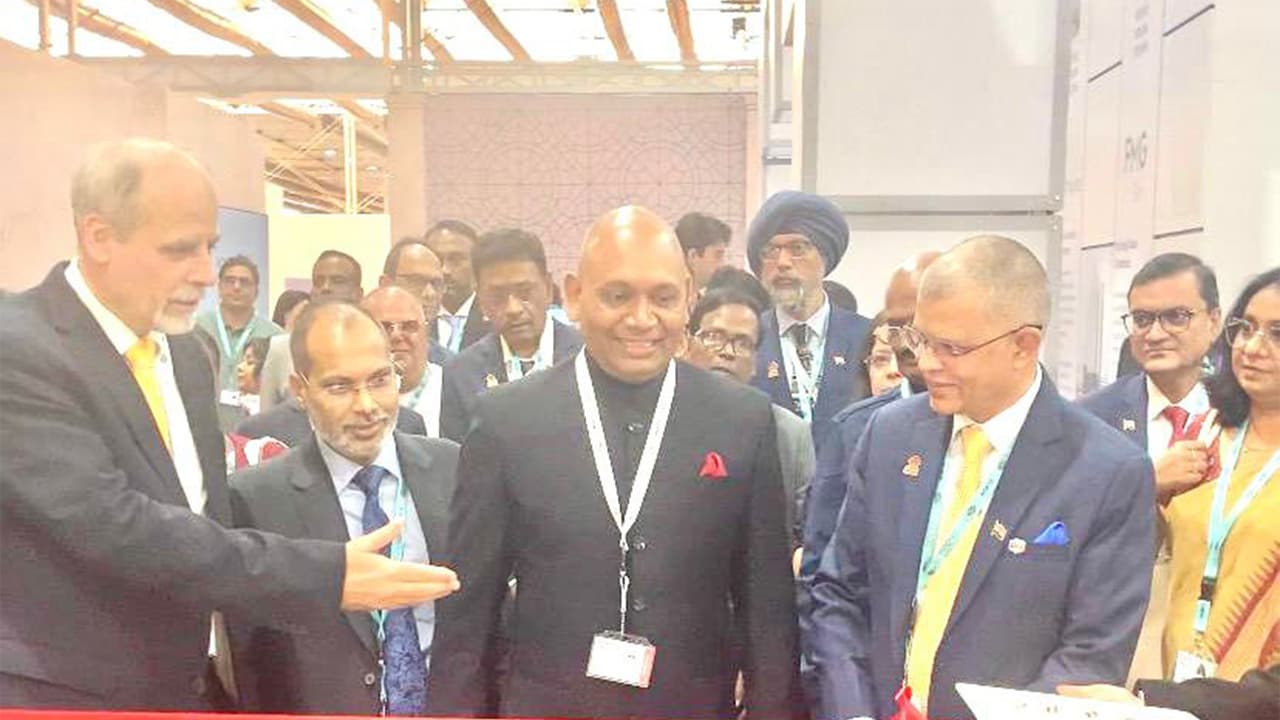
The India Pavilion was inaugurated at the 13th World Urban Forum in Baku by Ambassador Abhay Kumar. Under the theme ‘India’s Urban Transformation’, it showcases India’s journey in building inclusive, resilient, and sustainable cities.
The India Pavilion at the 13th World Urban Forum in Baku was officially inaugurated on Monday by India’s Ambassador to Azerbaijan, Abhay Kumar.
The India Pavilion, set up by the Ministry of Housing and Urban Affairs under the theme ‘India’s Urban Transformation: Housing a Billion Dreams’, showcases India’s urban transformation journey. It highlights how national, state, and city-level initiatives are translating the aspirations of a billion people into reality through innovative urban policies, programmes, and partnerships.
Speaking at the inauguration, Ambassador Abhay Kumar underscored India’s commitment and efforts towards building inclusive, resilient, and sustainable cities. The India Pavilion also serves as a platform for delegates to learn, discuss, collaborate, and exchange innovative ideas among global partners and urban stakeholders. Ambassador Kumar had an engaging conversation with exhibitors and participants on various aspects of urban development.
Showcasing Flagship Initiatives
The India Pavilion, a premier showcase for the country’s urban development vision, provides insight into key flagship initiatives, including Housing for All (PMAY), Swachh Bharat Mission (SBM), AMRUT, Smart Cities Mission, and the National Urban Livelihoods Mission, including PM SVANidhi. These highlight integrated approaches addressing housing, infrastructure, livelihoods, and resilience, while advancing the Sustainable Development Goals (SDGs) and the New Urban Agenda.
Interactive Exhibits and Core Objectives
The exhibition space includes curated displays illustrating how cities are localising SDGs through innovation, data-driven governance, climate action, and community participation. Interactive installations also engage visitors, inviting them to share ideas for inclusive and resilient cities, helping build a collective vision of future urban development.
The main objective of the India Pavilion is to demonstrate how India created an enabling ecosystem to influence multiple stakeholders in various ways to develop urban structures for the future. This approach can aid in effectively planning and managing urban challenges and ensure that Indian cities advance towards spatial, social, and economic inclusivity. (ANI)
(Except for the headline, this story has not been edited by Asianet Newsable English staff and is published from a syndicated feed.)