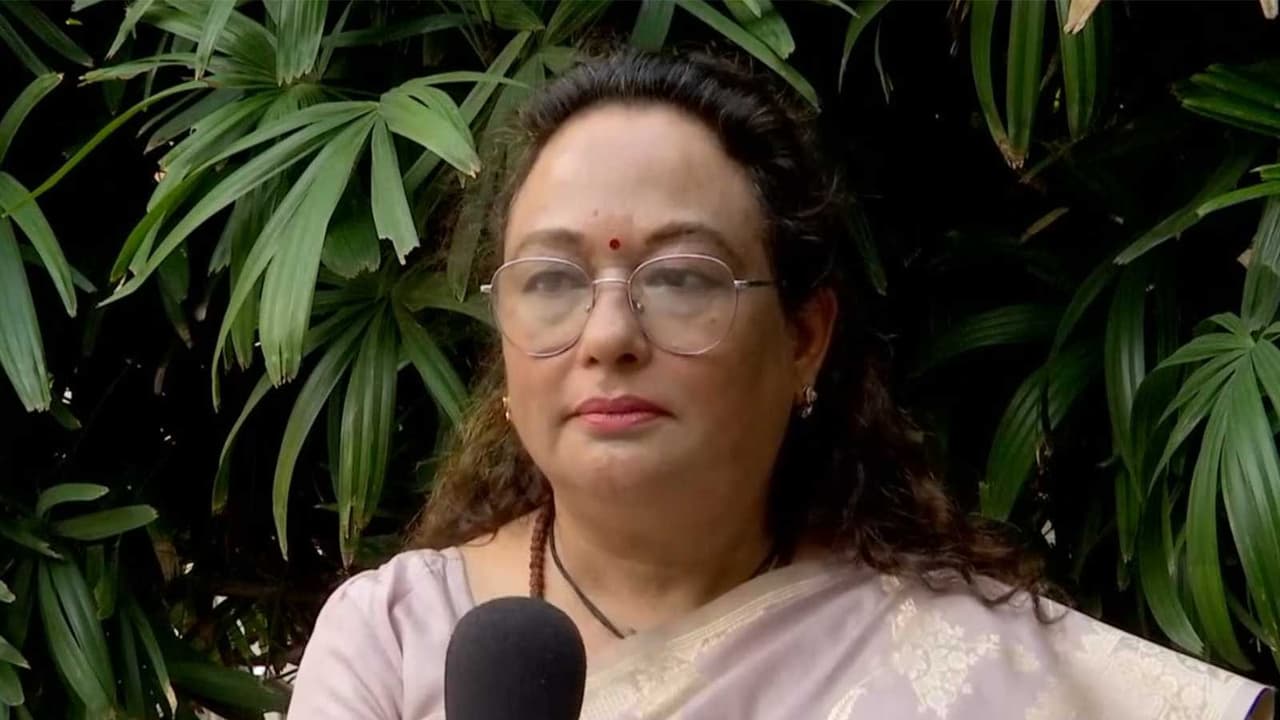
According to Sushma Rawat, former ONGC director, India’s coordinated response and successful diplomacy keeps energy supplies stable even in crises. Despite 85% import dependence during the Hormuz crisis, there was little impact on prices, which reflects efficient management by the government.
New Delhi [भारत]June 29 (ANI): Former ONGC Director (Exploration) Sushma Rawat has said that India’s ability to have a coordinated response during any coming crisis will help in keeping domestic energy supplies stable despite high import dependence. He said the country’s handling of the disruption in the Strait of Hormuz was an example for any future setbacks.
Speaking to ANI on India’s energy supply management, Sushma Rawat said, “If you rate the performance of global governments during the crisis, India would get almost nine out of 10.” “The way the Government of India and the Ministry of Petroleum and Natural Gas have handled this is really creditable,” he said, pointing to the country’s multi-layered demand, huge population and logistics-challenging geography.
Control of prices despite heavy dependence on imports
Rawat said despite 85 per cent dependence on crude oil imports and 80-90 per cent of LNG coming from Qatar via the Strait of Hormuz, the initial impact on prices in India was only “two to three per cent”, while in the US and Europe the increase was “40 per cent”. “The buffer that the Government of India took upon itself in the form of fiscal deficit and under-recovery… saved the common man from hardships.” He said public sector undertakings (PSUs) “bore losses,” adding that supply disruptions were “almost non-existent” and black marketing was “nipped in the bud.”
Efficient management of LPG supply
On LPG, Rawat referred to rapid balancing. “30 per cent cut for industrial use… diverting it towards domestic supply,” besides pricing and a faster shift to PNG in metros, among other steps taken. He said new pipelines have been laid and action taken against double connections, making cylinders available to areas that are difficult in terms of logistics.
Role of successful diplomacy and geopolitics
Rawat said that more than 50 percent of the result was due to diplomacy, because “if you are good at geopolitics you can ensure your source from anywhere.” He said India did not take sides and stressed that “the world has to ensure supply of energy because it is needed by everyone.” He said the government’s approach and efforts to leverage relations with Russia, the Gulf countries and others had ensured that ships continued to transit through Hormuz intermittently.
India’s preparation for the future
Rawat said India is diversifying sources, accelerating domestic gas use and expanding PNG to reduce risks. “Many people around the world would have been very surprised… by the way India handled its energy constraint,” he said, adding that “decades of friendship” are the basis of today’s resilience. (ANI)
(Except for the headline, this story has not been edited by the Asianetnews editorial team and is published from a syndicated feed.)