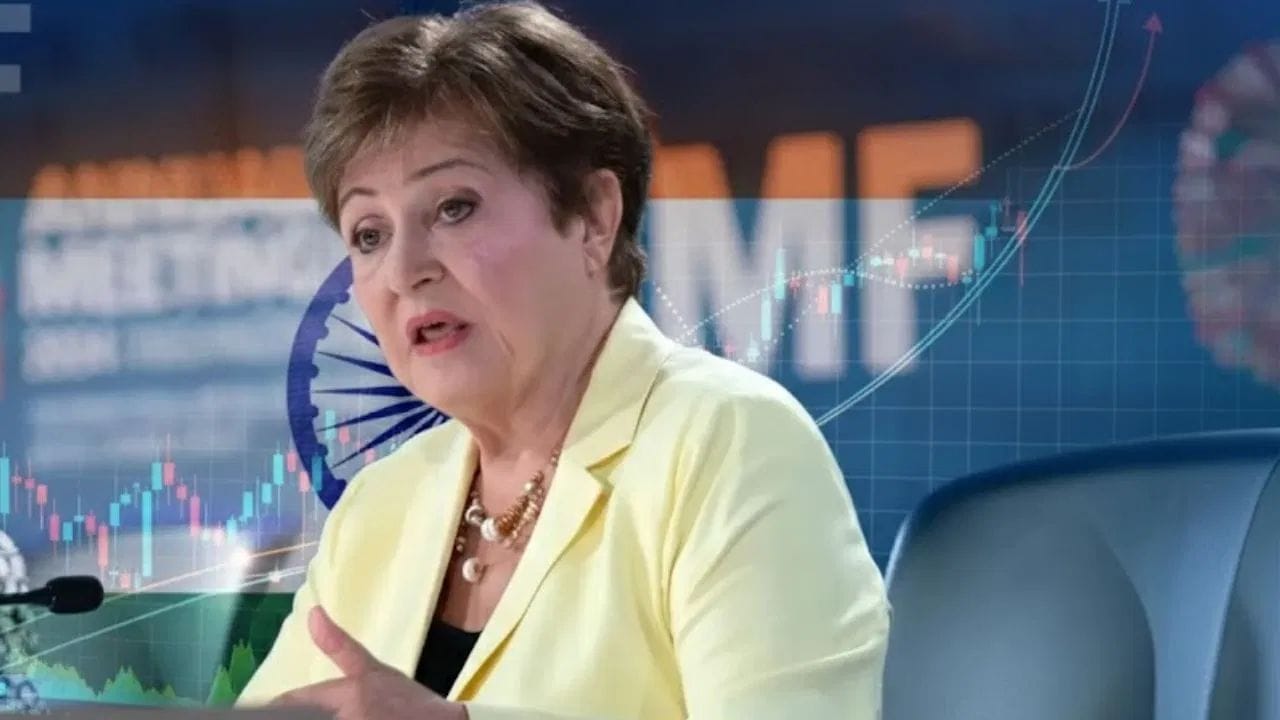
IMF chief Kristalina Georgieva
International Monetary Fund (IMF) chief Kristalina Georgieva has expressed concern about the global economy. He has said that if the conflict in the Middle East prolongs and oil prices remain high, then the world may face difficult times.
Impact of war and oil prices
During the spring meeting of the IMF and the World Bank, Georgieva told that after the impact of the Strait of Hormuz on February 28, there has been a sharp rise in oil and energy prices. This route is considered very important for the supply of oil and fertilizer. Due to supply disruption, pressure has increased especially on the economy of countries dependent on oil imports.
risk of inflation increases
The IMF chief warned that if the supply of fertilizers does not normalize soon, it will affect the prices of food items. This means that inflation can now spread to food items. He said that people in low-income countries spend a large part of their income on food, so the impact will be more severe there.
advice to central banks
Georgieva suggested the central banks not to make hasty changes in interest rates and take decisions considering the situation. Especially in those countries where inflation is already under control, a wait and watch strategy can be adopted. However, in countries where the credibility of the central bank is low, strict measures may be necessary.
IMF ready to help
IMF has said that if the situation worsens, member countries can come forward for financial help. At present, 39 programs of the organization are running and many new countries may need assistance. It is estimated that there may be a demand for funding of around 20 to 50 billion dollars.
warning to governments
The IMF chief also cautioned the governments to take steps wisely while giving relief to the people. He said that decisions without targets, such as stopping exports or large-scale tax cuts, can prolong the problem of inflation.