Employees Provident Fund Organization
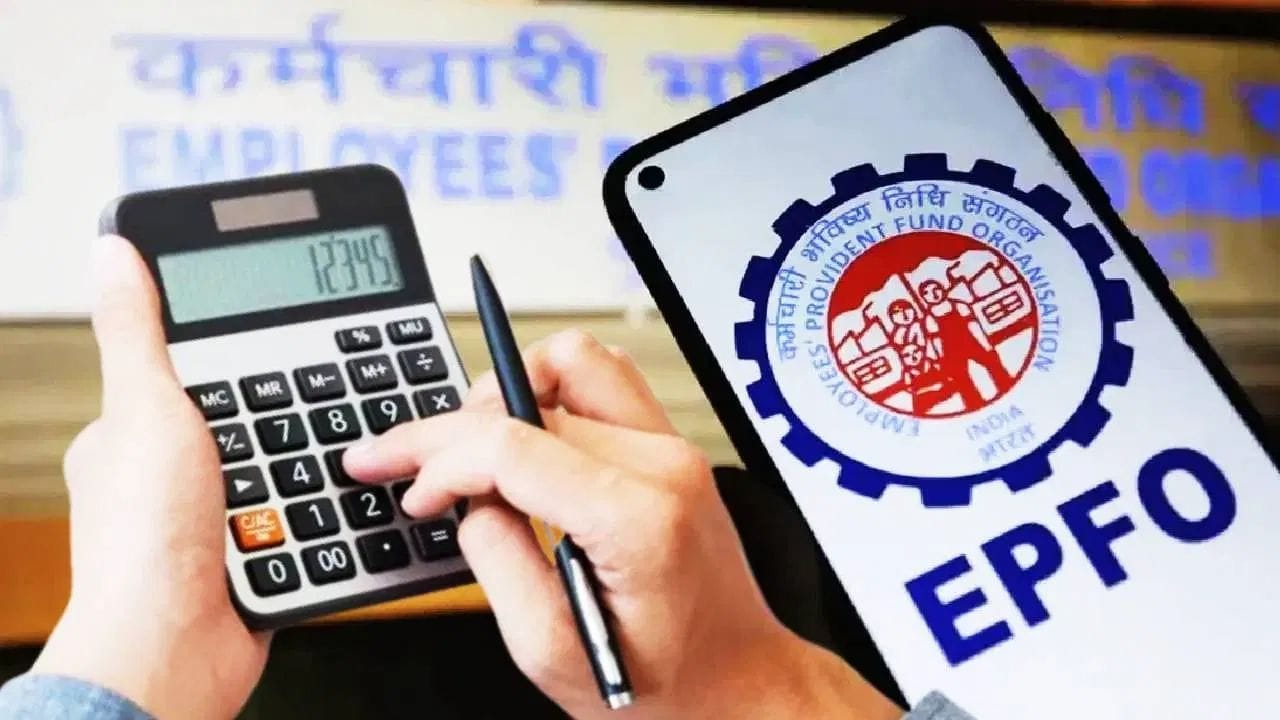
Employees’ Provident Fund Organization (EPFO) found it costly to miscalculate the withdrawal benefit of an employee’s Employees’ Pension Scheme (EPS). The District Consumer Disputes Redressal Commission based in Kangra, Himachal Pradesh has held EPFO guilty of deficiency in service and has ordered to pay 9% interest, ₹ 1,000 compensation and ₹ 2,500 case expenses to the employee along with the outstanding amount. The Commission admitted that EPFO did not apply the correct factor as per the rules, resulting in the employee being underpaid by ₹1,350.
What was the whole matter?
An employee, resident of Baijnath in Kangra district of Himachal Pradesh, worked as a clerk in a private school through an outsourcing agency from 4 April 2024 to 15 March 2025. During his job, EPF and EPS contributions were regularly deducted from his salary and deposited in EPFO.
After leaving the job, the employee applied for EPS withdrawal. The pension contribution shown in the passbook available on the EPFO website was ₹14,230, but only ₹12,750 was deposited in his bank account. When no solution was found despite several complaints, the employee approached the District Consumer Commission.
What explanation did EPFO give?
EPFO told the Commission that there was a ‘non-contributory period’ of 16 days during the employee’s service period. On this basis, his pensionable service was considered to be 10 months and payment was made as per the rules of Employees’ Pension Scheme, 1995. The organization said the benefit was calculated based on the maximum salary limit of ₹15,000.
How did the commission catch the mistake?
The Commission found that EPFO could not produce any documents or records to support its claim of 16 days non-contributory period. It was clear from the records that the employee had worked continuously for 11 months and 12 days. In such a situation, it was wrong to apply the factor of 10 months.
The Commission said that 0.94 factor should have been applied as per the service period of the employee, whereas EPFO used 0.85 factor. According to the correct calculation, the employee should have received ₹ 14,100, but he was given only ₹ 12,750. Thus, there was short payment of ₹ 1,350.
What is the importance of this decision?
This decision is important for millions of EPFO members who receive EPS withdrawals or payment of other claims. If there is a difference between the amount recorded in the passbook and the actual payment or if a mistake in calculation is suspected, the member can seek clarification from EPFO. If needed, justice can also be demanded at the Consumer Commission or other legal forum. This decision makes it clear that a statutory body like EPFO can also be held accountable for wrong calculations.