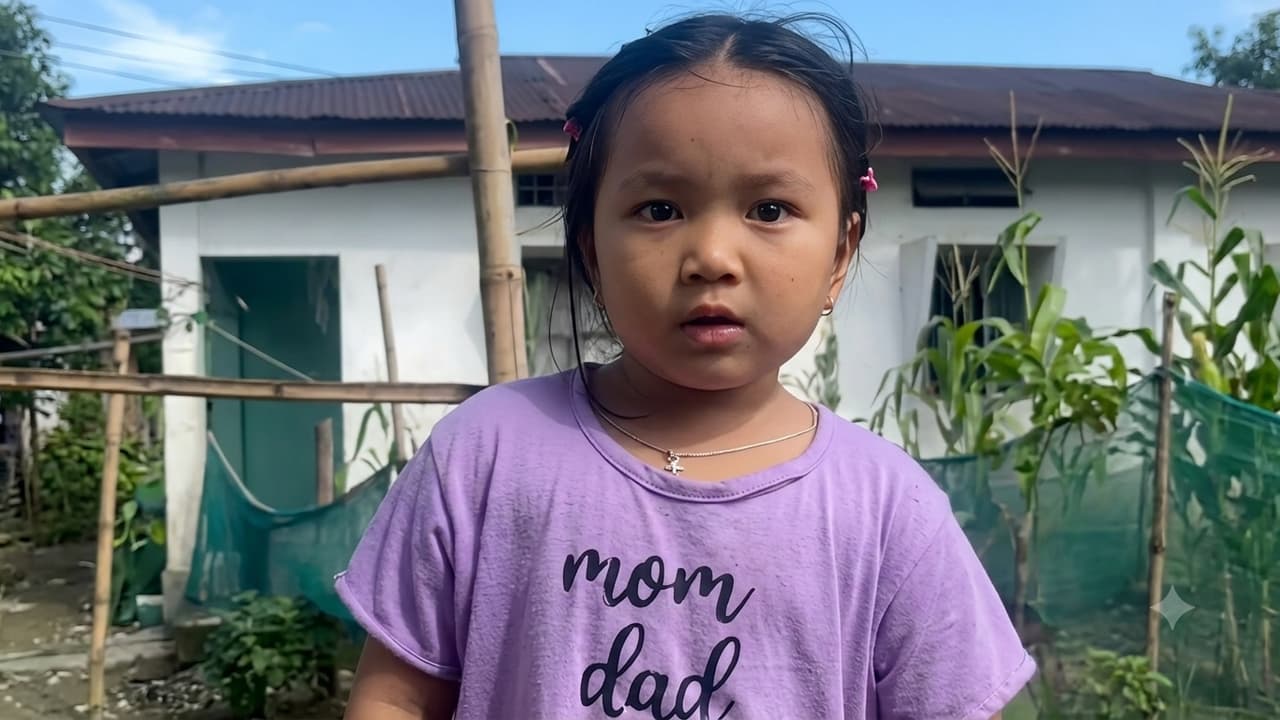
A little girl from Itanagar made an emotional appeal against being called Chinese, saying “Hum bhi Indian hain.” Her plea has drawn attention to the stereotyping of Northeast Indians.
A little girl from Itanagar asked for something that should have never needed asking. “Hum bhi Indian hain,” she said through tears. “Call me Indian, not Chinese.”
Her words, they reflect a reality that many from the Northeast have experienced for decades. But her plea also offers India a moment to reflect, not to condemn, but to course-correct.
India is a nation built on the idea of unity in diversity. The Constitution guarantees equality to every citizen, regardless of ethnicity, region, or religion. The vision of the nation’s founding fathers was clear that, every Indian belongs, no matter where they come from or what they look like.
Yet, the lived reality for many from the Northeast has not always matched that vision. Students and professionals from the region have often faced stares, questions, and casual stereotyping in major cities. The assumption that someone “looks foreign” simply because they have different features is a habit the nation has failed to unlearn as a society.
India’s strength lies in its diversity, but that strength must be felt by every citizen
India has made significant progress in integrating its Northeastern states, building infrastructure, connecting railways, improving internet access, and ensuring political representation. The government has launched numerous schemes to bridge the gap between the region and the rest of the country. There is genuine effort on multiple fronts.
But the social integration has lagged behind. And that is where this little girl’s plea becomes important. She is not rejecting India, but claiming to be an Indian. She is saying, with all the clarity a child can muster, “I belong here.” That should be celebrated.
If a seven-year-old has to assert her Indianness, it means the soceity has not done enough to make every child feel that their identity is unquestionable. If a student from the Northeast is asked “where are you really from” after saying they are from India, the system has not failed, but society has some catching up to do.
The good news is that this is fixable. Awareness campaigns in schools, sensitivity training in workplaces, and representation in media can slowly change the narrative. The viral nature of this video itself is a sign that people care, that they are ready to listen.