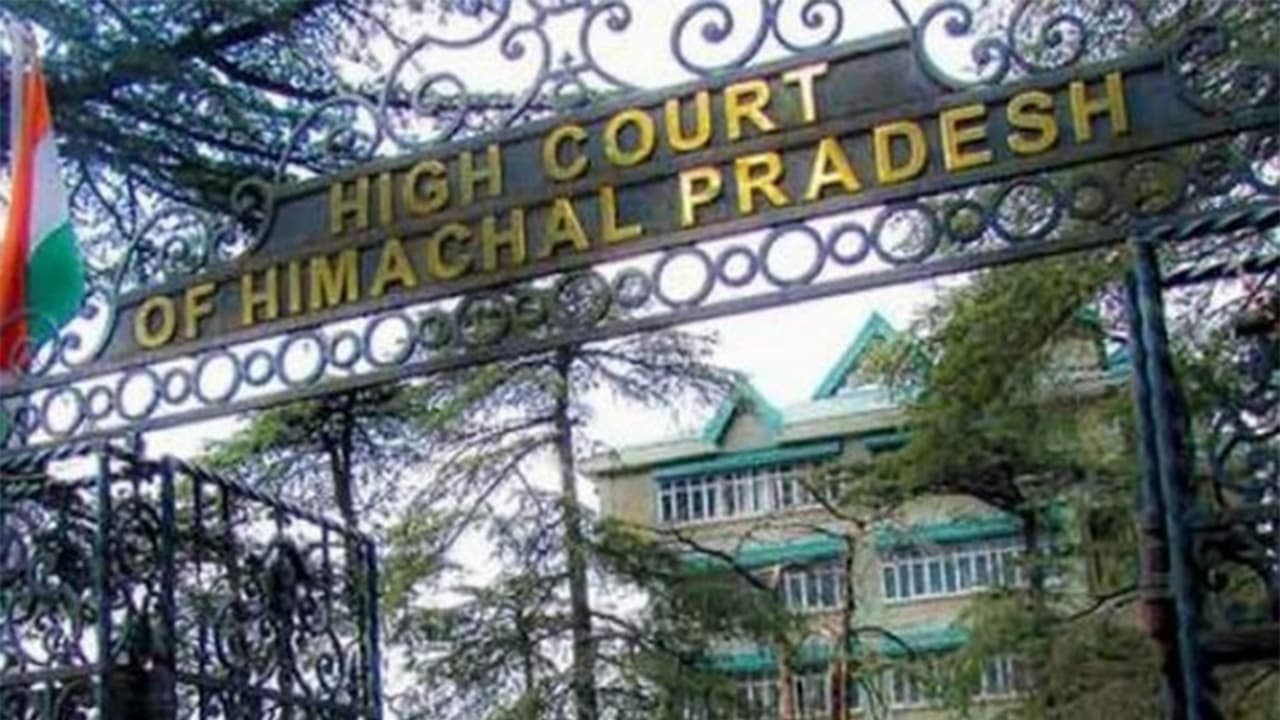
The Himachal Pradesh High Court directed the state government to adjust any excess electricity duty recovered from over 100 stone crushers and industrial units against their future dues, ordering the process to be completed within one year.
The Himachal Pradesh High Court has disposed of a batch of more than 100 petitions filed by stone crushers and industrial units across the state, directing the government to adjust any excess electricity duty recovered from the petitioners against their future dues within one year.
A Division Bench comprising Justice Vivek Singh Thakur and Justice Ranjan Sharma passed the order while deciding the lead matter, M/s Brajesh Stone Crusher vs State of Himachal Pradesh, along with several connected petitions. The petitioners, including stone-crushing enterprises and other private industrial units, had challenged the electricity duty rates and notifications issued by the state government under the Himachal Pradesh Electricity (Duty) Act.
Court’s Directives on Duty Assessment
While disposing of the petitions, the court directed the authorities to assess the electricity duty already paid by the petitioners and adjust any amount found to have been recovered in excess against future electricity duty liabilities, preferably within one year. The court further directed that if any shortfall was found after the assessment, the amount would be recovered from the concerned petitioners in accordance with law.
Need for Balanced Taxation
The bench also observed that while the state is entitled to generate revenue through taxation, electricity duty should not be imposed in a manner that becomes “highly excessive or exorbitant” for industrial consumers.
The court emphasised the need to maintain a balance between revenue generation and the growth and sustainability of industries, observing that the taxation mechanism should not impose an undue burden on industrial establishments.
The judgment also underlined the importance of harmonising traditional principles of taxation with modern mechanisms while framing and implementing revenue measures.
With these directions, the court disposed of the batch of writ petitions as well as the pending applications connected with the matter.
(Except for the headline, this story has not been edited by Asianetnews Editorial staff and is published from a syndicated feed.)