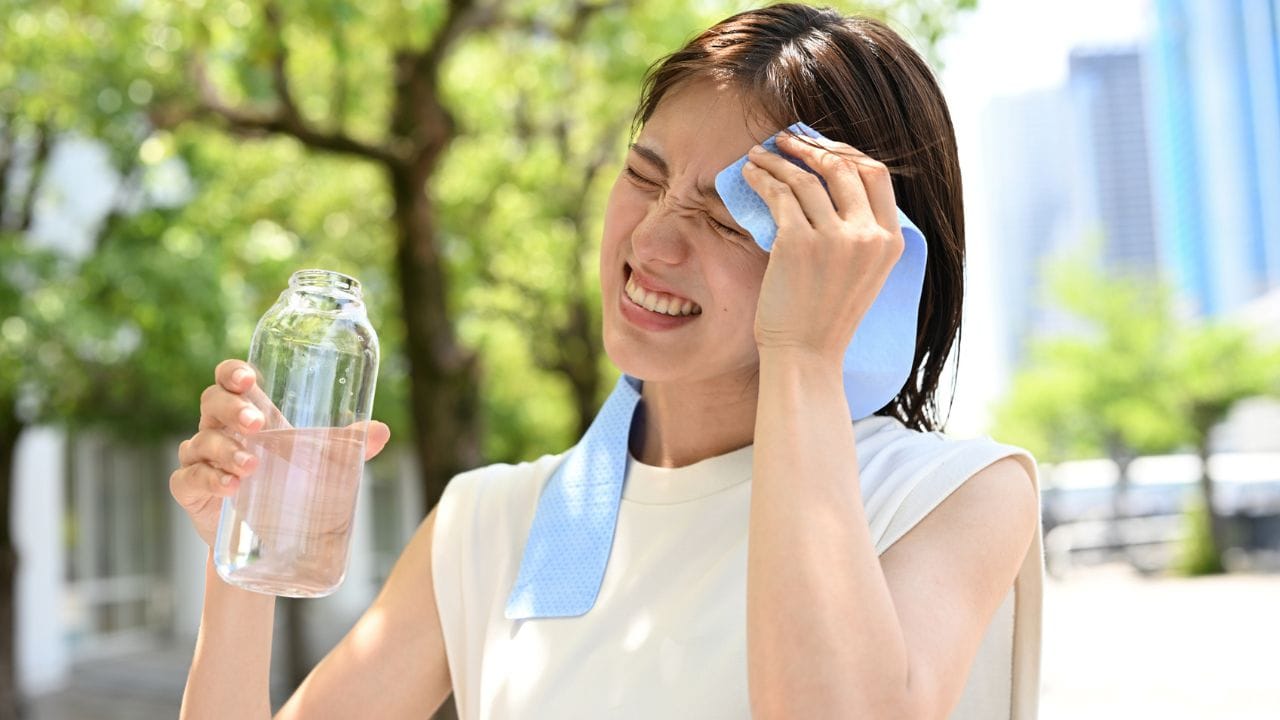
Causes and symptoms of heat stroke Image Credit source: Getty Images
Summer temperatures are continuously increasing in many states of the country. Strong sunlight and rising temperature can take a toll on the body. When the body is exposed to excessive heat for a long time, the risk of heat stroke increases. This condition occurs when the body’s ability to control temperature becomes weak and the body becomes excessively hot. Heat stroke starts gradually, in which the person feels intense heat, restlessness and fatigue.
Many times lack of water and minerals in the body also increases this problem. Constant exposure to sunlight, drinking less water and exposure to hot air can be the main reasons for this. Especially children, elderly and weak Immunity Its risk is higher in people with Many people ignore it considering it to be the effect of normal heat, which can worsen the situation. Therefore, it is important to recognize the symptoms in time and remain alert.
Which symptoms of heat stroke should one go to the hospital immediately?
Dr. Naval Vikram, Professor in the Department of Medicine at AIIMS It is said that there are some symptoms of heat wave which can be dangerous to ignore. Its common signs are high fever, excessive increase in body temperature, dizziness and vomiting or nausea. Apart from this, headache, fast heartbeat, difficulty in breathing and feeling weak can also be symptoms of heat stroke.
In some cases, the person may also experience unconsciousness, confusion or difficulty speaking, which are considered serious signs. If the skin becomes very hot and dry or stops sweating, this condition can become more dangerous. Sometimes muscle cramps or burning sensation in the body may also be felt. Delaying when such symptoms appear can be risky, so it is important to seek medical help immediately.
How to protect yourself from heat stroke?
Dr. Parmeet Kaur, Chief Dietitian at AIIMS She says that to avoid heat stroke, the most important thing is to protect yourself from the strong sunlight, especially avoid going out between 12 and 4 pm. While going out, cover your head and wear light, loose and cotton clothes, so that the body can stay cool.
It is very important to drink adequate amount of water, so that the body does not get dehydrated. Along with this, beverages like buttermilk, lemon water, coconut water help in fulfilling the deficiency of water and minerals in the body. Do not remain on an empty stomach for too long and eat light food. Staying in a cool and airy environment inside the house is also beneficial.
These precautions are also necessary in summer
Do not ignore body signals during summer season. If you feel tired, dizzy or weak, rest immediately and drink water. Take special care of children and the elderly, as they can be easily affected.
Also, avoid excessive caffeine or alcohol, as these can dehydrate the body. If someone already has any disease, he should be more careful in summer. The safest step is to immediately contact a doctor if symptoms increase.