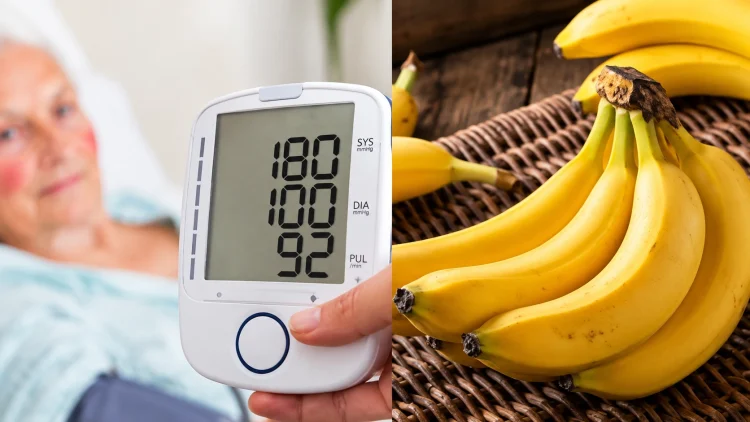
High blood pressure is increasingly common, including among younger adults. While medication plays an important role in controlling the condition, some people continue to record elevated readings despite taking their prescribed treatment. One possible factor is their everyday diet, particularly foods that contain more sodium than they realise. In an Instagram post, neurosurgeon Dr Ashwini Kumar highlighted five common kitchen items that people with hypertension may need to review. His advice draws attention to hidden sources of sodium and caffeine. However, dietary changes should complement medical treatment, not replace prescribed medicines or a doctor’s guidance.

Five Foods and Ingredients to Review
1. Excess Salt in Everyday Meals
Reducing salt intake is one of the most important dietary steps for people with high blood pressure. The World Health Organization recommends that adults consume less than 2,000 mg of sodium per day, equivalent to less than 5 grams of salt from all sources.
That includes salt added during cooking as well as sodium already present in packaged and processed foods. Measuring the amount used at home can help people understand how much they are consuming. Remember that even if you stop adding extra salt at the table, other ingredients may still contribute significantly to your daily sodium intake.
2. Rock Salt, Black Salt and Chaat Masala
Switching from ordinary table salt to rock salt or black salt does not automatically make a diet suitable for hypertension. These varieties also contain sodium and can contribute to higher overall intake.
Chaat masala and seasoning mixes may contain added salt as well. They are commonly sprinkled over salads, fruit, yoghurt-based dishes and snacks, making it easy to consume more sodium without noticing. Check product labels and use these seasonings sparingly rather than assuming that alternative varieties are healthier for blood pressure.
3. Pickles and Papad
Pickles and papad are popular accompaniments to Indian meals, but many commercially prepared varieties contain considerable amounts of salt. Salt is often used during preparation and preservation, which can make these foods a significant source of sodium.
People with high blood pressure do not necessarily need to eliminate every traditional food from their diet, but portion size and frequency matter. Choose lower-sodium alternatives when available, compare nutrition labels and avoid making pickles or papad a regular, large part of every meal.
4. Packaged Sauces and Ketchup
Tomato ketchup, packaged sauces and ready-made condiments can contain added sodium, even when they taste sweet rather than salty. Using them repeatedly with snacks and meals may increase daily sodium consumption.
A practical alternative is homemade chutney prepared with fresh herbs, coriander, mint, lemon or other ingredients, while keeping added salt modest. If buying packaged sauces, compare the sodium content between brands and pay attention to the serving size listed on the label.
5. Coffee and Other Sources of Caffeine
Caffeine can cause a temporary rise in blood pressure in some people, although the response varies. People with hypertension who notice a connection between coffee and higher readings may benefit from discussing their caffeine intake with a healthcare professional.
There is no universal limit of one or two cups that suits everyone. The caffeine content depends on the type of coffee, serving size and preparation method. Tea, energy drinks, cola and some other products also contain caffeine, so they should be considered when assessing total intake.
What About Ghee and Other Sources of Fat?
Dr Kumar also advises people with high blood pressure to be mindful of their ghee consumption. Ghee contains saturated fat, and eating large amounts may not support healthy cholesterol levels. People managing hypertension often benefit from an overall heart-friendly eating pattern that includes appropriate portions of fats, vegetables, fruits, whole grains and protein-rich foods.
However, ghee does not directly cause every case of high blood pressure. Its quantity should be considered alongside the rest of the diet, cholesterol levels and individual health needs.
Diet Changes Should Not Replace BP Medication
Reducing sodium, choosing less processed food and monitoring caffeine intake can support blood pressure management. But people should never stop, reduce or change prescribed medicat on without consulting their doctor.
If blood pressure remains high despite regular treatment, speak to a healthcare professional. They may review medication, lifestyle habits, other health conditions and possible causes of uncontrolled readings. A balanced diet works best as part of a wider treatment plan that includes regular monitoring, physical activity and appropriate medical care.