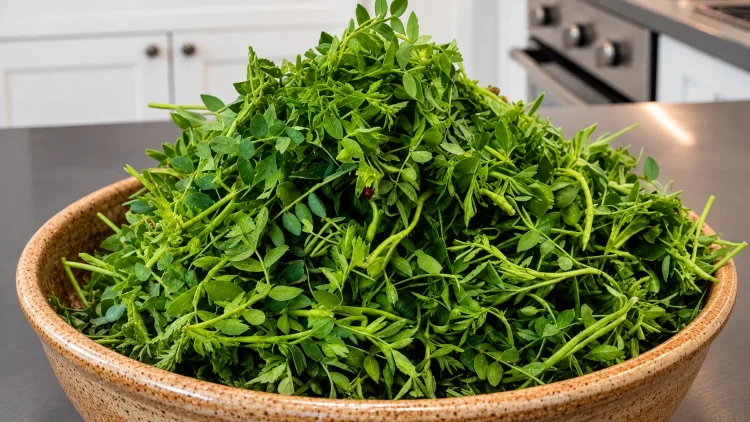
Chickpea greens, the tender leaves of the chickpea plant, are a seasonal favourite in many parts of India. They are often sold with fresh green chickpeas still attached to the stems and can be enjoyed raw or cooked into a simple vegetable dish. While spinach, fenugreek and mustard greens usually receive more attention during winter, chickpea leaves also deserve a place on the seasonal menu. According to Dr Imran Khan, these greens contain several essential nutrients that can contribute to a balanced diet. Their fibre, vitamins and minerals make them a useful addition to meals for both men and women, although their benefits depend on overall eating habits rather than any single food.
What Nutrients Do Chickpea Greens Contain?
Chickpea leaves provide a range of nutrients, including dietary fibre, plant-based protein, iron, calcium, potassium and magnesium. They also contain vitamins A, C and K, along with folate and antioxidant compounds. These nutrients perform different functions in the body, from supporting normal immune function to helping maintain healthy bones and blood cells.
Their fibre content is particularly useful for people looking to include more vegetables in their daily meals. As with other leafy greens, the nutritional value can vary depending on freshness, preparation and cooking method.
Five Potential Health Benefits of Chickpea Greens
1. May Support Better Digestion
Dietary fibre is important for maintaining regular bowel movements and supporting digestive health. Chickpea greens can contribute to daily fibre intake, which may help reduce constipation when combined with adequate water and a varied diet.
Fibre also adds bulk to meals and can help people feel satisfied for longer. However, suddenly eating large quantities of fibre-rich vegetables may cause bloating or gas in some individuals. Those who are not used to eating leafy greens can introduce them gradually.
2. Can Be Included in a Diabetes-Friendly Diet
People managing diabetes can generally include non-starchy leafy vegetables as part of a balanced meal plan. Chickpea greens contain fibre, which can help slow the absorption of carbohydrates when eaten as part of a meal.
However, it would be inaccurate to say that this vegetable alone controls blood sugar or prevents glucose levels from rising. Portion sizes, cooking ingredients, medication and overall carbohydrate intake all matter. People with diabetes should follow their healthcare professional’s dietary advice rather than depending on one particular food.
3. May Help With Weight Management
Chickpea greens can be a useful choice for people trying to manage their weight. Leafy vegetables generally provide fibre and volume without adding a large number of calories, particularly when prepared with limited oil or ghee.
Adding them to lunch or dinner may make a meal more filling. They can also be used in salads or lightly cooked dishes. Still, weight management depends on overall calorie intake, physical activity, sleep and long-term eating patterns.
4. Provide Nutrients That Support Blood and Immune Health
Chickpea greens contain vitamin C, iron and folate, which have important roles in normal body functions. Iron is needed to produce haemoglobin, while folate supports the formation of healthy red blood cells. Vitamin C contributes to normal immune function and helps the body absorb iron from plant-based foods.
Although these greens can contribute to a nutrient-rich diet, they should not be considered a treatment for anaemia or a substitute for prescribed supplements. Anyone experiencing persistent tiredness, weakness or other possible signs of iron deficiency should consult a doctor and consider appropriate testing.
5. Contribute to Bone Health
Calcium and vitamin K are among the nutrients found in chickpea greens. Calcium is essential for maintaining bones and teeth, while vitamin K plays a role in normal bone metabolism and blood clotting.
Including different leafy vegetables in a balanced diet can help improve overall nutrient intake. However, healthy bones also depend on adequate vitamin D, protein, physical activity and other dietary factors.
How Can You Eat Chickpea Greens?
Fresh chickpea leaves can be washed thoroughly and added to salads if they are clean and suitable for raw consumption. Another popular option is to cook them with garlic, green chillies and a little oil or ghee. They can also be added to dal or other vegetable preparations.
Wash the leaves carefully under clean running water to remove soil and debris. Cook them according to your preference, and avoid using excessive oil or salt if you are watching your overall intake.
People with kidney disease or a medically prescribed diet should ask their doctor or dietitian whether chickpea greens are suitable for them. Dietary restrictions vary according to kidney function and individual health needs. Rather than avoiding this vegetable based on a general warning, seek advice tailored to your condition.