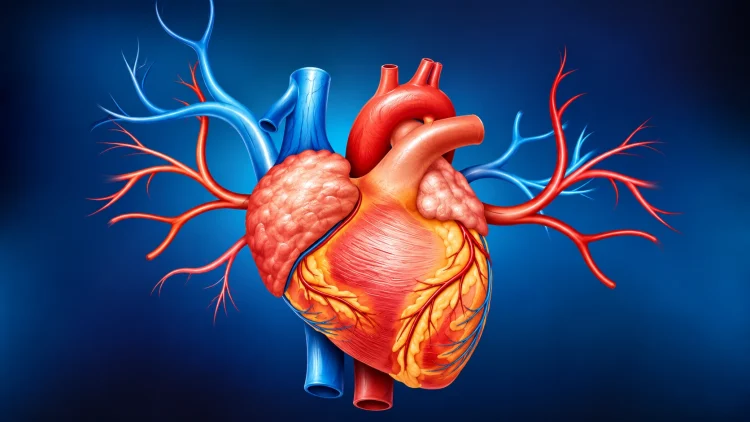
Heart Health – Heart disease is not a concern limited to older adults. Younger people can also develop cardiovascular problems, including conditions linked to high cholesterol, elevated blood pressure, smoking and other risk factors. One major concern is atherosclerosis, a condition in which plaque made up of cholesterol, fats, cellular waste and other substances builds up inside the arteries. Over time, this buildup can narrow the vessels and restrict blood flow, increasing the risk of heart attacks and strokes. Cardiovascular surgeon Dr Jeremy London has discussed several lifestyle measures on Instagram that can support cardiovascular health. Although no single habit can guarantee clear arteries, evidence-based changes can help reduce risk and protect the heart over time.
1. Avoid Smoking and Other Tobacco Products
Smoking is one of the most important preventable risk factors for cardiovascular disease. Chemicals in tobacco smoke damage blood vessels, promote inflammation and make it easier for plaque to develop inside the arteries. Smoking can also increase blood pressure and reduce the amount of oxygen carried by the blood.
Avoiding cigarettes is an important step towards protecting heart health. Vaping should not automatically be considered harmless, either, because many vaping products contain nicotine and may affect the cardiovascular system. Smoking cannabis also carries health risks, particularly when it involves inhaling smoke.
People who smoke can benefit from seeking professional help to quit. Counselling, structured cessation programmes and suitable medications may make the process more manageable. Quitting can improve health at any age, even for people who have smoked for many years.
2. Choose More Whole and Minimally Processed Foods
A heart-supportive diet should include a variety of vegetables, fruits, whole grains, beans, lentils, nuts and suitable sources of lean protein. These foods provide fibre, vitamins, minerals and other nutrients that support overall health. Oats, beans, vegetables and fruit can also help improve dietary fibre intake, while nuts and fish can provide beneficial unsaturated fats.
Try to limit foods that are high in sodium, added sugar and saturated or trans fats. Packaged snacks, heavily processed meats and frequent consumption of deep-fried foods can make it harder to maintain a balanced diet when eaten in excess.
Eating well can help manage several cardiovascular risk factors, including blood pressure, cholesterol and blood glucose. It is not necessary to follow an extreme diet or eliminate entire food groups without medical advice. Consistent, practical changes are generally easier to maintain.
3. Understand Your ApoB and Cholesterol Levels
Apolipoprotein B, commonly known as ApoB, is a protein found on several types of particles that can contribute to plaque formation, including low-density lipoprotein (LDL) particles. An ApoB blood test can help estimate the number of these potentially harmful particles circulating in the bloodstream.
A higher ApoB level may indicate a greater number of particles capable of entering artery walls. However, there is no single target that is appropriate for everyone. The often-mentioned figure of less than 80 mg/dL may be suitable for some people depending on their cardiovascular risk, but treatment goals vary according to medical history and individual risk factors.
Discuss ApoB, LDL cholesterol and other relevant tests with a healthcare professional. If levels are elevated, treatment may involve dietary changes, physical activity and, when indicated, prescribed medication. Do not stop or change cholesterol medication without medical guidance.
4. Make Regular Exercise Part of Your Routine
Physical activity supports heart health by improving cardiovascular fitness and helping manage blood pressure, cholesterol, body weight and blood glucose. Exercise also supports the normal function of blood vessels, including their ability to widen and regulate blood flow.
For most adults, widely used public health recommendations suggest at least 150 minutes of moderate-intensity aerobic activity each week, or 75 minutes of vigorous activity, or an appropriate combination of both. Brisk walking, cycling, swimming and dancing are examples of aerobic exercise. Strength training on at least two days a week can provide additional benefits.
If you have been inactive for a long time, start gradually and increase the duration as your fitness improves. Anyone with a diagnosed heart condition or symptoms during exercise should seek medical advice about an appropriate activity plan.
5. Monitor Your Blood Pressure at Home
High blood pressure often causes no obvious symptoms, yet it can gradually damage blood vessels and increase the risk of heart disease, stroke and kidney problems. Checking blood pressure at home can help identify patterns that might not appear during an occasional clinic visit.
Use a validated automatic monitor designed for the upper arm. Sit quietly for around five minutes before measuring, keep your back supported and place your feet flat on the floor. Rest your arm at heart level and take two readings about a minute apart. Record the results and share them with your healthcare professional.
A reading around 120/80 mmHg is often considered a useful reference point, but blood pressure targets depend on individual circumstances. One unusually high reading does not always establish a diagnosis, and repeated readings are more informative. If your readings remain elevated, arrange a medical review rather than attempting to manage the problem alone.
Small Changes Can Make a Meaningful Difference
Protecting your arteries involves more than following a single tip or trying to remove plaque through a particular food or exercise. Avoiding tobacco, eating a balanced diet, staying active and monitoring cholesterol and blood pressure can all contribute to lower cardiovascular risk. Regular medical check-ups are especially important for people with diabetes, a family history of early heart disease or previously elevated cholesterol or blood pressure.
These habits cannot eliminate every risk, but they provide a practical foundation for long-term heart health. If you experience chest pain, severe breathlessness, sudden weakness or other possible signs of a heart attack or stroke, seek emergency medical care immediately.