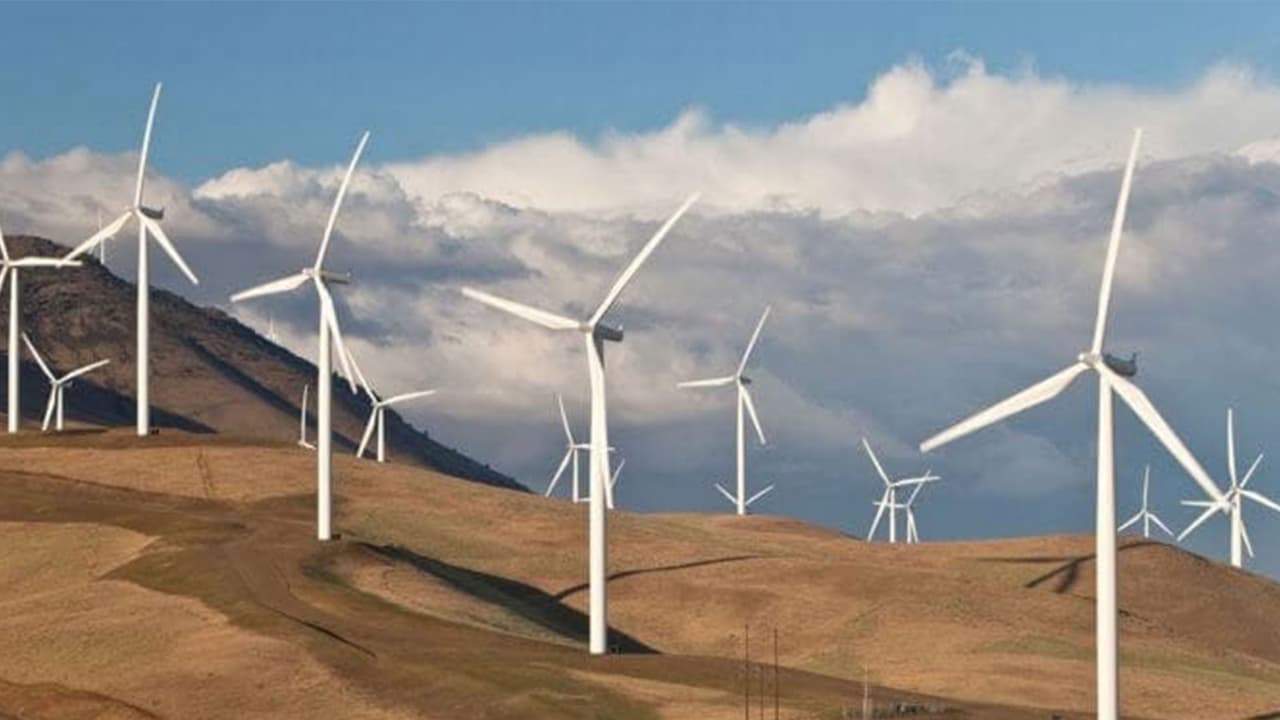
Gujarat has become India’s top state in wind energy, with an installed capacity of 16,086 MW and generation of 33,706 MUs. This accounts for nearly one-third of the nation’s total wind output, driven by strong leadership and policy support.
Gujarat has once again demonstrated its unmatched leadership in India’s renewable energy journey, emerging as the top State in both installed wind energy capacity and power generation. According to official data released by the Ministry of New & Renewable Energy, Gujarat’s installed wind capacity has reached 16,086 MW as of June 30, 2026, the highest in the country. In addition, the state generated an impressive 33,706 million units (MUs) of wind power during FY 2025 26, accounting for nearly one-third of India’s total wind energy output. India’s overall installed wind capacity now stands at 57,443 MW, with annual generation rising to 106 billion units in FY 2025 26. Gujarat’s contribution has been pivotal in this national achievement, underscoring the state’s commitment to sustainable growth, energy security, and climate responsibility.
Visionary Leadership Driving Growth
According to a release by the Gujarat Chief Minister’s office, this remarkable progress reflects the visionary leadership of Prime Minister Narendra Modi, who has consistently championed renewable energy as a cornerstone of India’s development strategy. His emphasis on clean energy has positioned India as a global leader in the transition towards sustainable power. Complementing this national vision, Chief Minister Bhupendra Patel’s strategic focus on infrastructure development, investor confidence, and policy innovation has enabled Gujarat to harness its wind potential to the fullest. Together, their leadership has ensured that Gujarat remains at the forefront of India’s renewable energy revolution.
Strategic Policies and Initiatives
Several initiatives have supported this growth trajectory. The Green Energy Corridor Scheme has facilitated the creation of new transmission lines and substations, ensuring smooth evacuation of renewable power. Waivers on Inter-State Transmission System (ISTS) charges have encouraged investment, while the National Repowering and Life Extension Policy for Wind Power Projects, 2023 has modernised existing infrastructure. Furthermore, the Offshore Wind Energy Lease Rules, 2023 and the launch of the Viability Gap Funding Scheme for Offshore Wind Projects have opened new avenues for future expansion.
Gujarat’s proactive alignment with these national policies has been instrumental in achieving seamless integration of wind energy into the grid. The state’s emphasis on innovation, coupled with investor-friendly policies, has created a robust ecosystem for renewable energy development. This has not only boosted installed capacity but also ensured record levels of generation, making Gujarat a model for other states to emulate.
A Blueprint for a Sustainable Future
The achievements of Gujarat in wind energy are not just numbers; they represent a larger vision of sustainable development. By leading the way in renewable energy, Gujarat is contributing significantly to India’s ambitious targets for 2030, which include achieving 500 GW of non-fossil fuel capacity and reducing carbon emissions intensity. The state’s success story is a shining example of how visionary leadership, strategic planning, and effective execution can transform challenges into opportunities.
(Except for the headline, this story has not been edited by Asianet Newsable English staff and is published from a syndicated feed.)