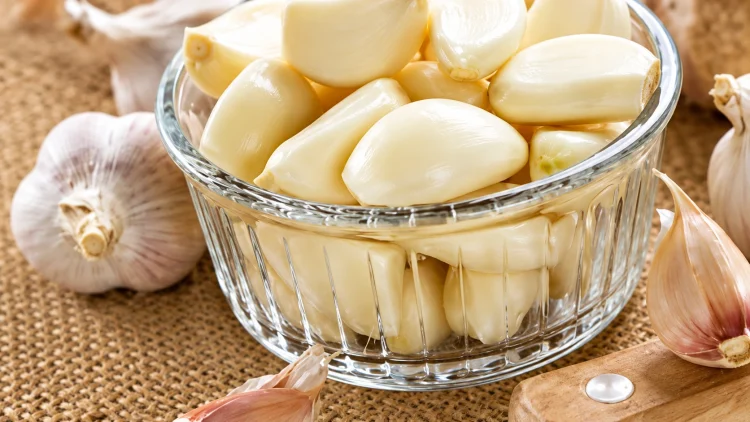
Garlic – Eating raw garlic first thing in the morning has become a popular wellness practice, with claims ranging from stronger immunity to better digestion and improved blood pressure and cholesterol levels. Garlic does contain several biologically active compounds and has been part of traditional diets for centuries. However, the evidence does not support treating it as a miracle food or a cure for health conditions.
Whether it is suitable on an empty stomach can also vary from person to person. Understanding its possible effects, limitations and potential side effects is important before making it a daily habit.
What Makes Garlic Nutritionally Interesting?
Garlic contains several sulfur-containing compounds, with allicin being one of the best-known. Allicin is produced when garlic is cut, crushed or otherwise damaged. The vegetable also contains various vitamins, minerals and antioxidant compounds.
These components are among the reasons garlic has attracted scientific interest. However, the amount and availability of individual compounds can vary depending on how garlic is prepared and consumed.
Can Garlic Support Healthy Blood Pressure?
Research has examined whether garlic and garlic-based supplements can influence blood pressure. Some studies have reported modest reductions in blood pressure among certain groups, particularly with specific garlic preparations.
That does not mean eating a raw clove every morning will produce the same effect. Individual responses can differ, and garlic should not be considered a replacement for prescribed blood pressure medication. People already undergoing treatment should continue following their doctor’s advice.
What About Cholesterol Levels?
Garlic has also been studied for its potential effect on cholesterol. Some research has reported modest changes in total and LDL cholesterol levels after garlic consumption or supplementation.
The findings, however, have not been completely consistent across studies. As a result, there is no sound basis for claiming that eating raw garlic on an empty stomach will automatically bring cholesterol levels back to normal.
A heart-healthy diet, regular physical activity and prescribed treatment remain important when managing high cholesterol.
Does Eating Garlic Help With Weight Loss?
Garlic is sometimes promoted online as a simple weight-loss remedy, but there is no reason to treat it as a magic ingredient for losing weight.
Body weight is influenced by overall calorie intake, dietary quality, physical activity, sleep and other lifestyle factors. Adding garlic to meals can be part of a balanced diet, but simply eating raw cloves in the morning is not a proven shortcut to weight loss.
Raw Garlic Can Cause Digestive Discomfort
Eating raw garlic, particularly on an empty stomach, may not suit everyone. Some people can experience stomach irritation, gas, abdominal discomfort, nausea or heartburn after consuming it.
The strong flavour can also lead to persistent bad breath. If digestive symptoms repeatedly occur after eating raw garlic, taking it with food instead may be more comfortable. Anyone experiencing ongoing or significant symptoms should discuss them with a healthcare professional.
Who Should Be More Careful?
People taking blood-thinning medicines should speak with their doctor before consuming large amounts of garlic or using garlic supplements. Garlic may have effects on blood clotting, making this particularly relevant when concentrated preparations are involved.
Anyone preparing for surgery should also inform their healthcare team about garlic supplements or unusually high garlic intake. Supplements can provide substantially more concentrated amounts than normal food portions.
How Much Garlic Is Appropriate?
There is no single daily amount of garlic that is necessary for everyone. Including moderate amounts as part of regular meals is generally more practical than consuming large quantities in pursuit of extra health benefits.
Most importantly, garlic should be viewed as a food rather than a replacement for treatment. People with high blood pressure, cholesterol problems, diabetes or other medical conditions should continue prescribed care and seek medical advice before making major dietary changes.