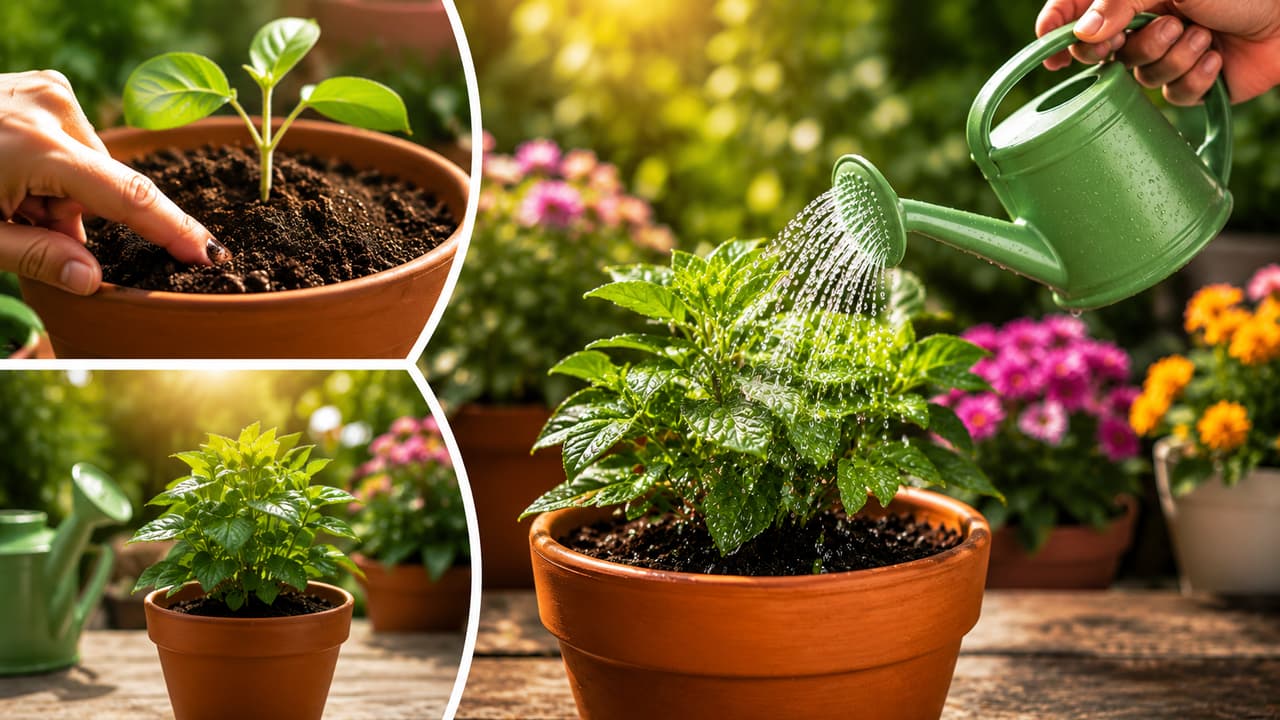
Watering plants may seem simple, but too much or too little can harm them. Experts say understanding your plant’s needs, soil, and weather is the key to keeping your garden healthy.
Water is essential for plant growth, but there’s no one-size-fits-all watering schedule. The amount of water your plants need depends on the type of plant, the weather, the season, and whether they’re growing in pots or directly in the ground. Experts recommend observing your plants and checking the soil instead of watering on a fixed routine.
Check the Soil Before Watering
One of the easiest ways to know if your plant needs water is by checking the soil. Insert your finger about an inch deep into the soil. If it feels dry, it’s time to water. If it’s still moist, wait another day or two. This simple method helps prevent overwatering, which can damage roots.
Water Early in the Morning
Experts suggest watering plants early in the morning. This allows the roots to absorb moisture before the day’s heat causes evaporation. Morning watering also gives leaves enough time to dry, reducing the risk of fungal diseases.
Different Plants Have Different Needs
Succulents and cacti require less frequent watering, while leafy vegetables, flowering plants, and herbs usually need more moisture. Plants in pots dry out faster than those planted in the ground, especially during hot summer days.
Signs Your Plant Needs Water
Wilting leaves, dry soil, slow growth, and brown leaf edges often indicate that a plant needs water. On the other hand, yellow leaves, soggy soil, and a foul smell from the pot may be signs of overwatering.
Tips for Healthy Watering
Water the base of the plant instead of the leaves to encourage deep root growth. Use pots with drainage holes to prevent waterlogging. During the rainy season, reduce watering if the soil remains moist. Adding mulch around outdoor plants also helps retain moisture and reduces evaporation.