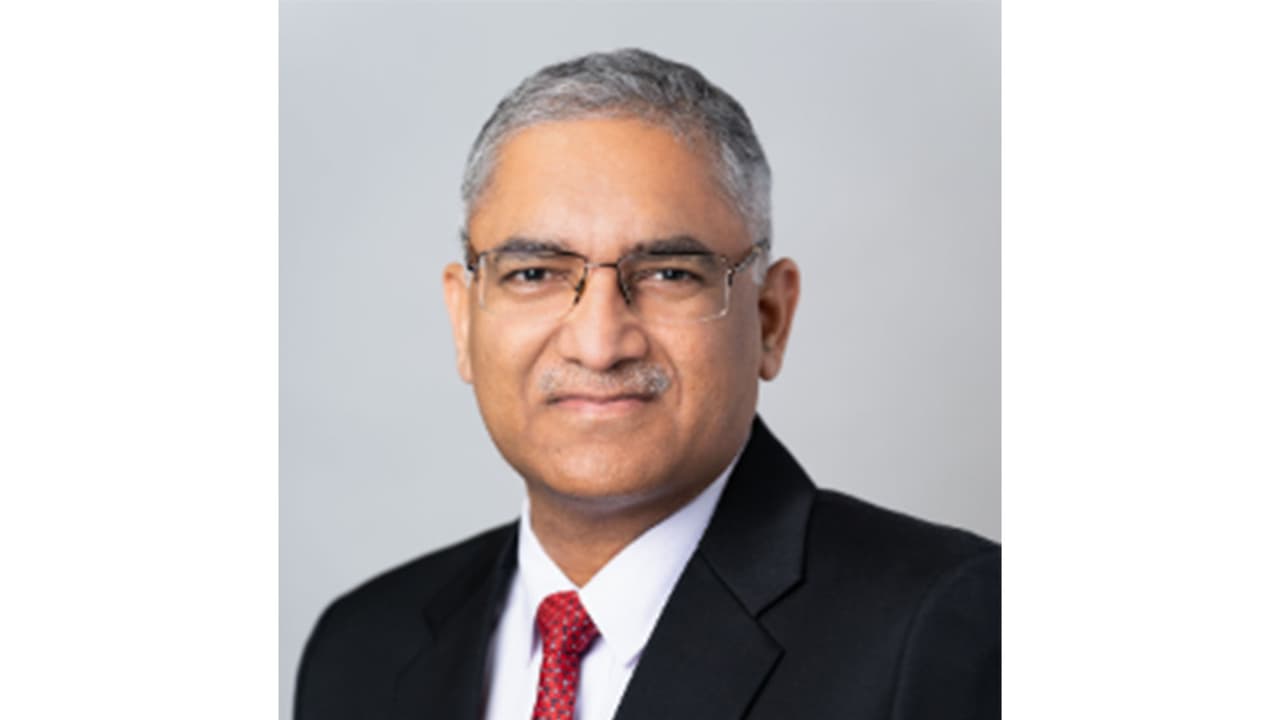
GAIL Chairman Deepak Gupta said energy security has become as important as energy transition due to geopolitical tensions disrupting LNG supply chains. He emphasized the need for diversified sourcing, resilient infrastructure, and flexible supply chains.
Energy security has become as important as the energy transition as geopolitical tensions and disruptions to global liquefied natural gas (LNG) supply chains expose vulnerabilities in energy markets, GAIL Chairman and Managing Director Deepak Gupta said on Thursday.
Addressing shareholders at GAIL’s 42nd Annual General Meeting, Gupta said developments during 2025-26 highlighted the need for countries and energy companies to diversify supply sources and strengthen infrastructure.
“FY 2025-26 underscored a fundamental reality: energy security has become as important as energy transition,” Gupta said. “Geopolitical tensions in the Middle East, particularly the disruption of LNG supply chains through the Strait of Hormuz, exposed the vulnerability of global energy markets to concentrated supply sources and critical maritime routes,” he added.
Gupta said the resulting volatility in LNG prices, freight rates and supply availability reinforced the need for diversified sourcing, resilient infrastructure and flexible supply chains. For India, he said the year reaffirmed the importance of a balanced and pragmatic energy strategy combining energy security, affordability and sustainability, even as the country increased investments in renewable energy and emerging technologies.
GAIL’s Sourcing and Logistics
GAIL currently has an LNG sourcing portfolio of 16.56 million metric tonnes per annum (MMTPA), comprising long-term contracts and market-linked procurement. During 2025-26, the company imported 132 LNG cargoes, including seven spot cargoes, helping maintain supplies to priority customers amid volatility in global markets.
The company also has access to a fleet of nine LNG vessels, including five vessels under long-term charter, aimed at improving control over logistics and supply reliability.
Infrastructure and Strategic Expansion
GAIL’s natural gas pipeline network currently extends over 18,690 kilometres, with nearly 1,500 kilometres under construction. Upon completion of ongoing projects, the network is expected to expand to almost 20,000 kilometres.
The company is also expanding its presence across petrochemicals, LPG infrastructure, compressed biogas and fertilisers, while exploring opportunities in critical minerals.
“Our strategic direction is therefore clear. We will expand the National Gas Grid, strengthen gas marketing, diversify LNG sourcing and shipping, expand petrochemicals and LPG infrastructure, support CGD and CBG development, progress the fertiliser projects, and selectively explore upstream resources and critical minerals,” Gupta said.
Commitment to a Green Future
At the same time, GAIL plans to scale renewable energy, battery storage, green hydrogen and other low-carbon businesses as part of its Net Zero Scope 1 and Scope 2 emissions target for 2035.
Financial Highlights
GAIL reported revenue from operations of Rs 1,38,697 crore in 2025-26, compared with Rs 1,37,288 crore in the previous financial year, while profit after tax stood at Rs 6,968 crore.
GAIL (India) Limited is a state-owned Maharatna company and one of India’s leading natural gas companies, with businesses spanning gas transmission and marketing, LNG sourcing and shipping, LPG, petrochemicals, city gas distribution, exploration and production, and renewable energy. (ANI)
(Except for the headline, this story has not been edited by Asianet Newsable English staff and is published from a syndicated feed.)