Is there a big game of frozen assets and billions of dollars hidden behind the US-Iran peace deal? Will Iran’s control over the Strait of Hormuz and future fees become the new global dispute? Will the sanctions be lifted after 60 days of nuclear talks or will a new conflict begin? Did Iran’s strict denial on the missile program reveal the biggest secret of the peace deal?
Tehran/Washington: A new and extremely tense turn has taken place in global politics as the ‘Islamabad Memorandum of Understanding (MoU)’ digitally signed between America and Iran has been officially finalized. While on one hand this historic deal has implemented the ceasefire and paved the way for opening the Strait of Hormuz, on the other hand a fierce diplomatic battle has broken out behind the scenes between the two superpowers over the interpretation of the agreement. Iran has made it clear that it will not compromise its sovereignty in exchange for peace.
Game of ‘Digital Signature’: Now you will have to pay a heavy price for violation!
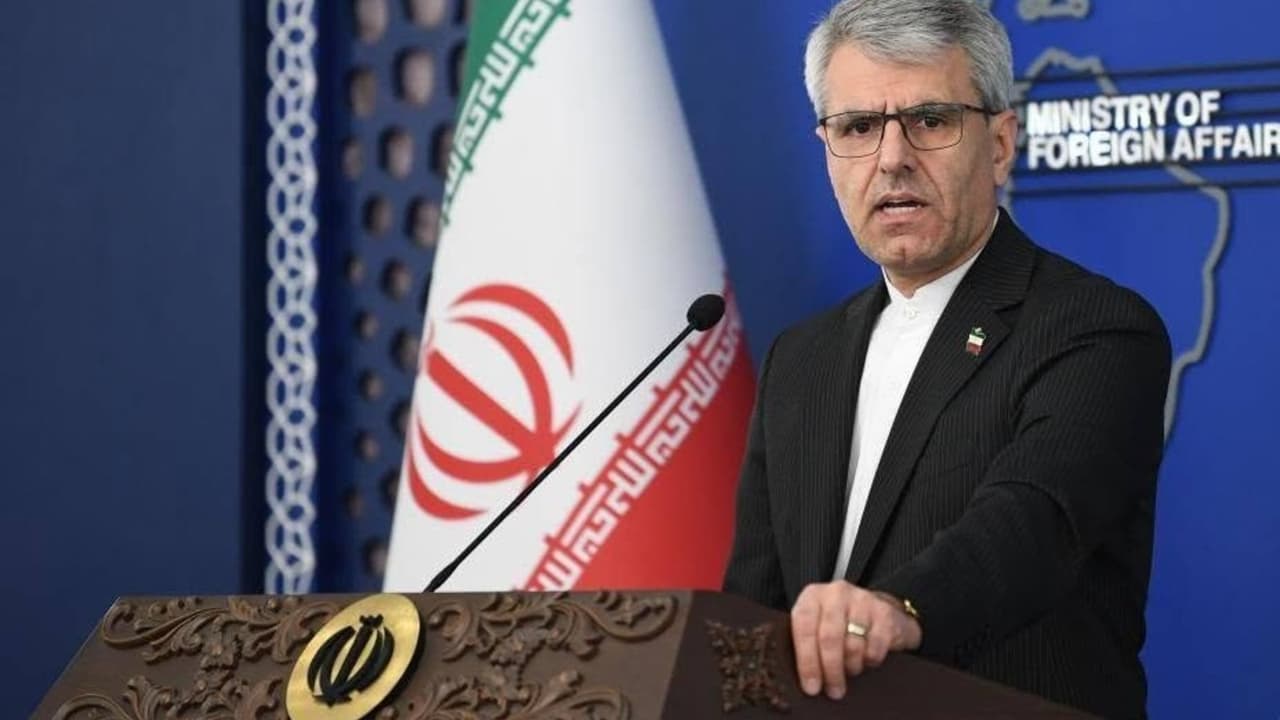
Iranian Foreign Ministry spokesman Ismail Baghai has given a direct warning to America through government broadcaster IRIB. Baghai confirmed that the Presidents of both the countries have digitally signed the historic document, making it now “officially final”. But the real suspense starts after this. Baghai said in a stern tone that after the approval of the two heads of state, the consequences of any violation of this agreement will be more serious than before and anyone doing so will have to pay a heavy price. This tough stance of Tehran makes it clear that it is keeping a close eye on Washington’s every move.
Tehran’s well-thought-out strategy on ‘nuclear issue’: First end the war, then talk!
The most shocking aspect of this entire agreement was that Iran flatly refused to make any major agreement on its nuclear program at this stage. Spokesman Baghai revealed that it was part of a wise and deliberate strategy of the Islamic Republic not to make much of the nuclear issue in the beginning. Iran’s first priority was to end the war and prevent conflict, which it has successfully achieved. Now the talks will focus on limiting uranium enrichment and lifting sanctions over the coming 60-day period, where the US will try to impose strict rules to prevent Iran from developing nuclear weapons at any cost.
Frozen assets and oil revenue: America will have to remove all its obstacles
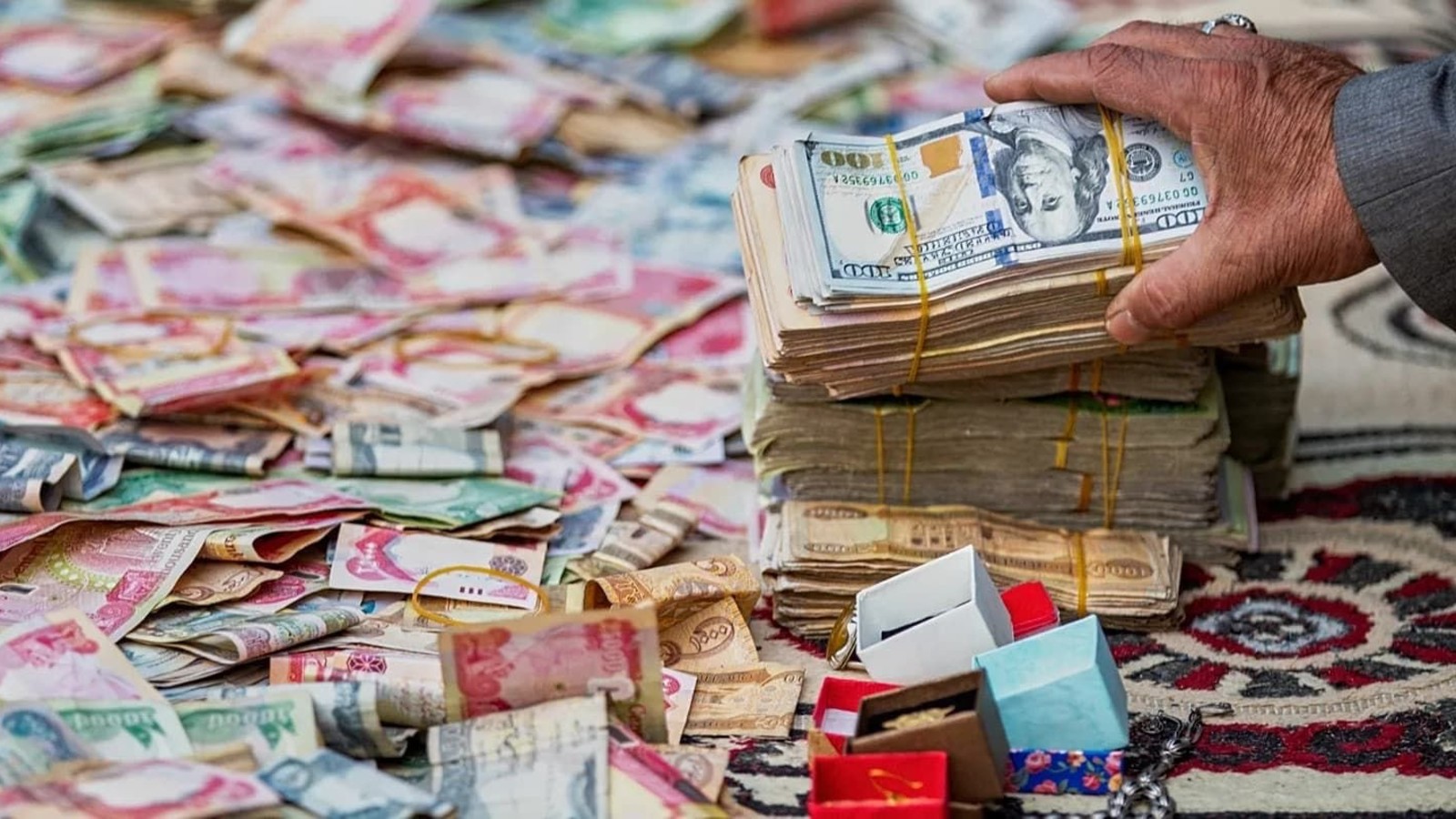
Iran has put very strict conditions before America to revive its crippled economy. According to Mehr news agency, the process of releasing frozen Iranian assets around the world has been finalized after intensive discussions with the Central Bank of Iran. Tehran has made it clear that it has every right to access this property and use it without any restriction. In addition, Iran has stressed the demand to sell its oil without any international restrictions and freely use the earnings from it, for which the US has given a written promise to remove the existing obstacles.
New rule of the Strait of Hormuz: ‘This waterway will not return to pre-war conditions’
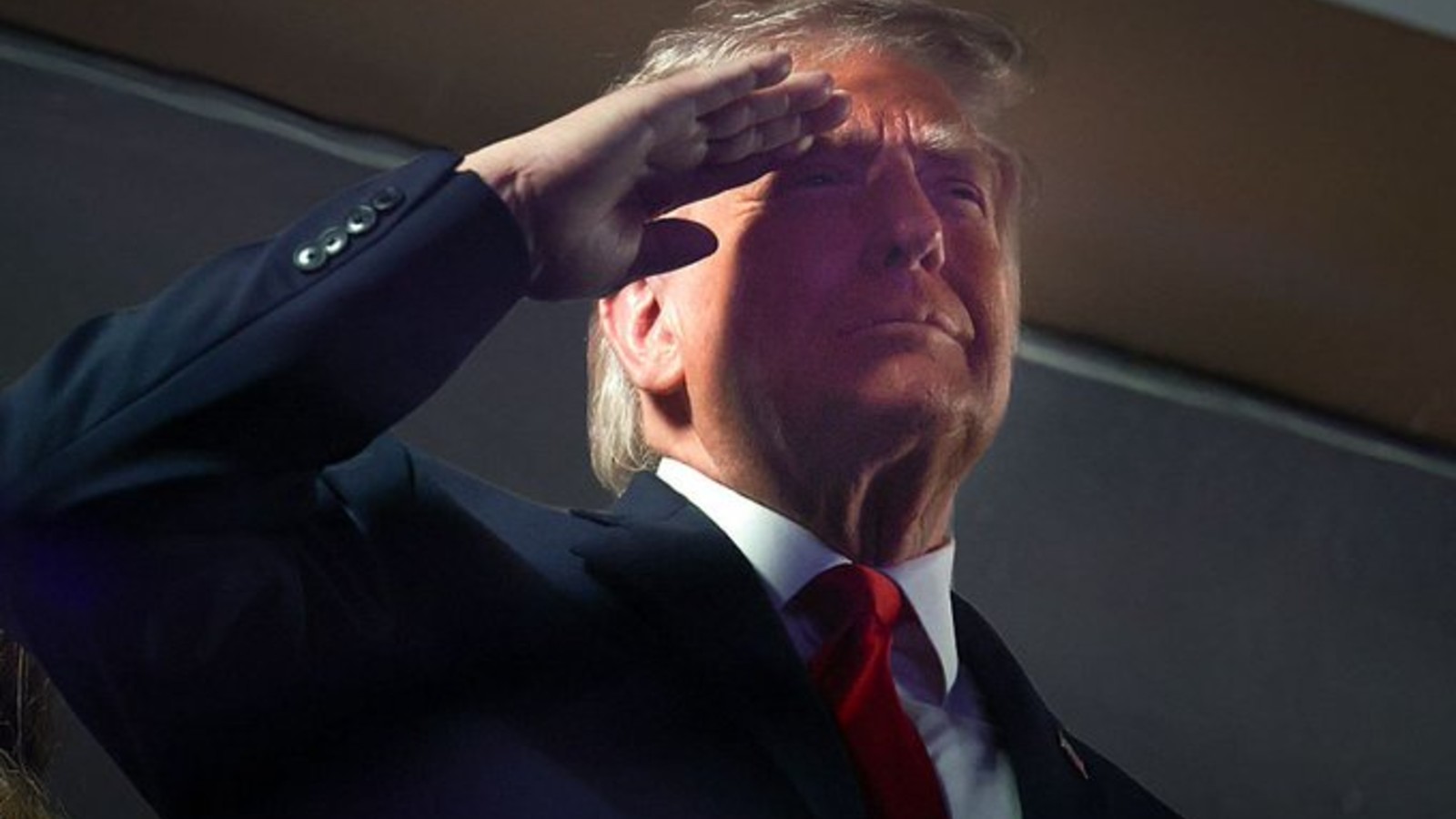
The most controversial and suspenseful part of this agreement is the global energy corridor – the Strait of Hormuz. Iran’s chief negotiator Mohammad Bagher Ghalibaf shocked the world by appearing live on state television. He clearly stated that “the Strait of Hormuz will never return to pre-war conditions.” Under the agreement, a toll-free period of 60 days has been given for commercial ships, but after that Iran and Oman will jointly manage this strategic waterway. Ghalibaf declared that Iran had sovereign rights over Hormuz and that they would henceforth charge transit fees for services passing through there. However, US President Donald Trump has already said that he will not accept any toll on this route, which has laid the foundation for a major conflict in the future.
No-negotiation on missiles: ‘Our missiles are only for firing, not for negotiation!’
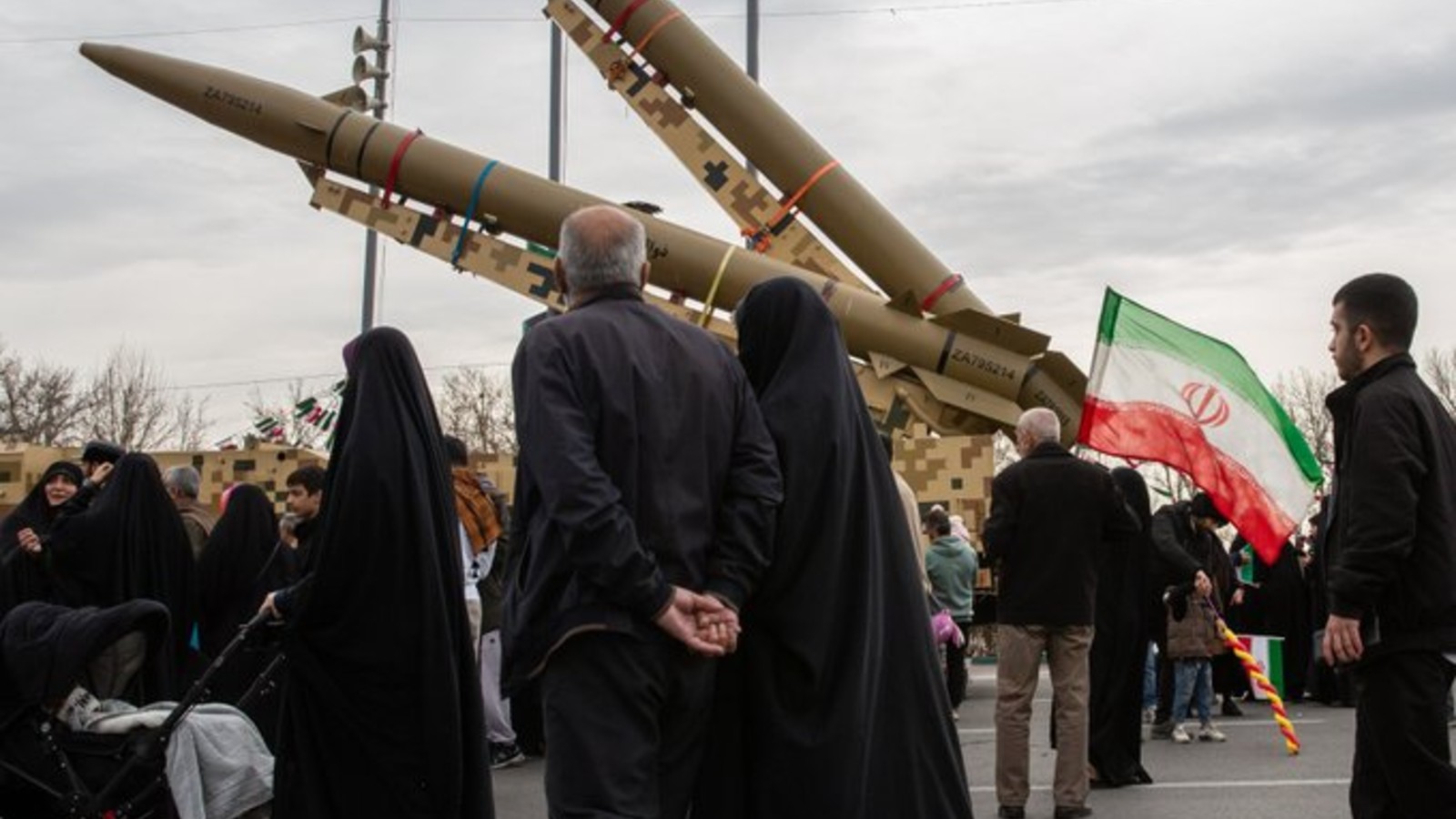
The very first section of the agreement talks about respecting the sovereignty and territorial integrity of Lebanon, which Iran has described as a major diplomatic victory. But, Iran has drawn its most dangerous military boundary line regarding future talks. Iranian officials have made it clear that their defense and military capabilities will not be a part of the discussion at any table. Spokesman Baghai said in a very aggressive manner, “Iran’s missiles are only for firing, not for conversation.” Tehran will not negotiate with any country or process regarding its defense system and missile program. In such a situation, it will be interesting to see whether the upcoming meeting in Geneva will bring peace or new disputes.