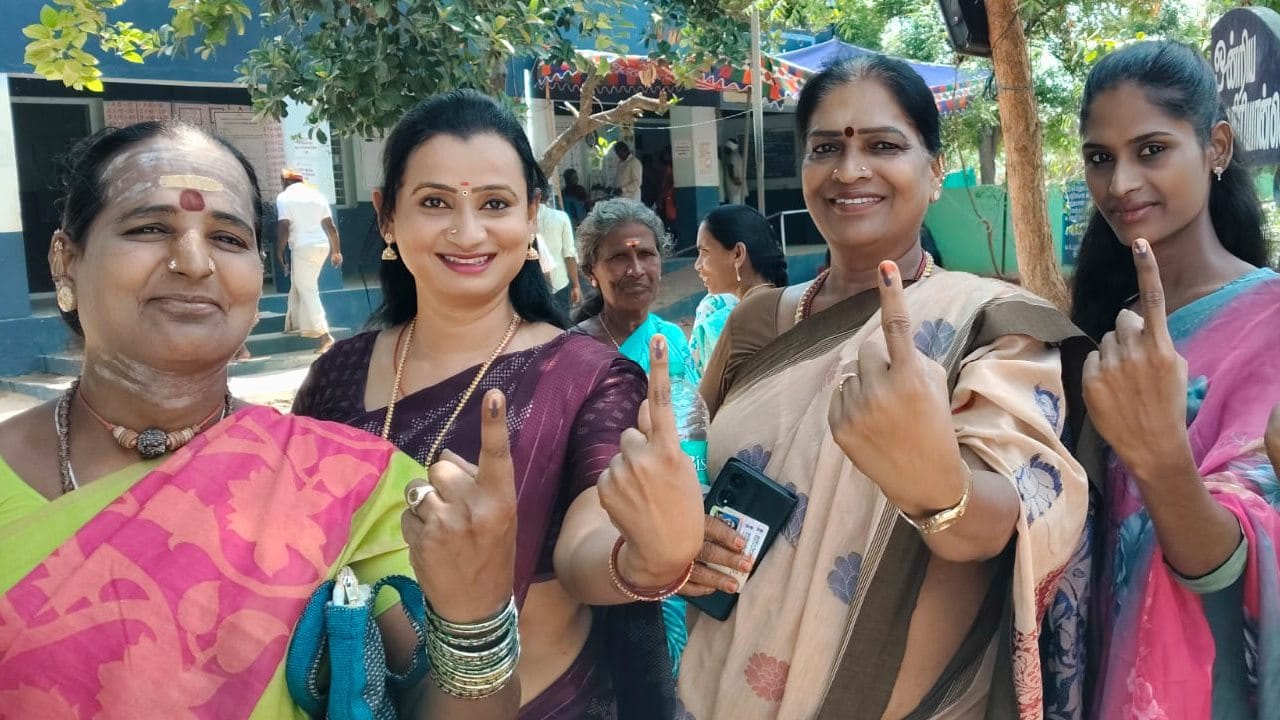
Chennai: Although the 2026 Tamil Nadu Legislative Assembly election has concluded, the political buzz surrounding it has yet to subside. The exceptionally high voter turnout percentage recorded this time—exceeding 85 percent—has become the dominant topic of discussion within political circles, viewed as a level unprecedented in recent decades. Three primary reasons are being cited to explain this surge in voter participation.
Reason 1: The SIR (Special Intensive Revision) initiative
The foremost factor is the SIR initiative—a special, intensive drive to revise the voter rolls conducted after a hiatus of approximately 20 years during November and December of last year. During this process, numerous entries—including those of deceased individuals, persons whose names appeared multiple times across different locations, and individuals no longer residing at their registered addresses—were removed from the electoral rolls. In total, over 97 lakh names were deleted.
Although some individuals subsequently reapplied and were reinstated, a significant number of names remained removed from the final list. Political analysts posit that as a result of this initiative, the voter rolls were effectively cleansed; since the list now comprised only genuine, eligible voters, the voter turnout percentage may have naturally risen. A similar trend was observed in other states as well.
Reason 2: Heightened enthusiasm among youth
The second major factor is the heightened enthusiasm among young voters. Among the more than 5 crore voters who participated in this election, a substantial segment consisted of young voters, with a significant number casting their vote for the very first time. Political observers assess that the emergence of new political dynamics and the entry of new political parties into the electoral fray played a key role in drawing a larger number of young people to the polling stations.
In this context, the entry of the Tamilaga Vettri Kazhagam, led by actor Vijay, into the political arena for the first time is said to have sparked a fresh wave of interest among the youth. Political commentators believe that even those with limited prior engagement in politics were motivated to turn out and vote, driven by the conviction that they “must exercise their franchise.” The entry into politics of a figure who rose to fame through cinema is considered to have particularly captivated the younger generation.
Reason 3: High participation of female voters
The high participation of female voters is cited as the third—and arguably most significant—factor contributing to the election outcome. Official data indicates that the voter turnout percentage among women in this election exceeded that of men. It is believed that the various promises made by different political parties specifically targeting women may have been the driving force behind this trend. Election manifestos featured numerous announcements, such as the “Women’s Entitlement Scheme” offering monthly financial assistance to women, and the provision of household appliances. The DMK pledged the Women’s Entitlement Scheme along with additional forms of assistance.
The AIADMK announced schemes involving a monthly financial aid of ₹2,000 for women. Similarly, the Tamilaga Vettri Kazhagam proposed schemes offering even higher financial assistance to women. It is widely believed that these specific announcements generated a heightened level of interest and enthusiasm among the female electorate.