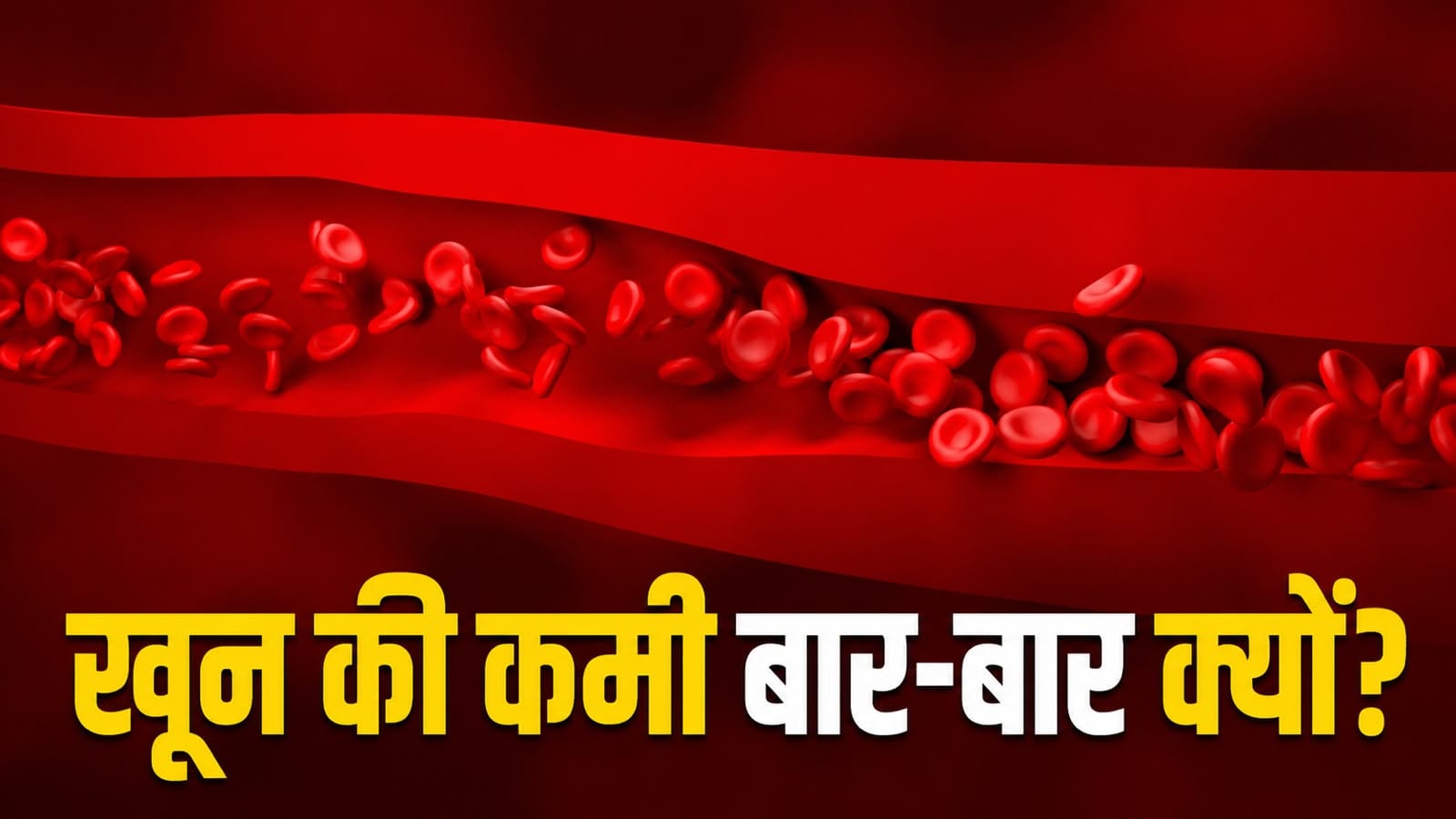
Thalassemia Image Credit source: Getty Images
Anemia is seen frequently in many people. There can be many reasons behind this, one of which is Thalassemia. Thalassemia is a genetic disease, which can be passed from parents to children. It is very important to have correct information about this. In this disease, the body is not able to produce hemoglobin in normal quantity, which can lead to anemia i.e. lack of blood in the body. Due to lack of blood, a person may face problems like weakness, early fatigue, dizziness and breathlessness. However, frequent blood loss is not always due to thalassemia. Deficiency of iron, vitamin B12 or folate, prolonged bleeding or other health problems can also be responsible for this.
This is the reason why in case of frequent blood loss, it is important to find out its exact cause. If investigation is not done in time, Thalassemia Like there may be a delay in identifying a genetic disease. At the same time, if the disease is detected on time, the patient can be treated and taken care of properly. Let us know what are the other symptoms of Thalassemia, which people are at greater risk and when should one consult a doctor.
What are the other symptoms of Thalassemia and which people are at higher risk?
Centers for Disease Control and Prevention (CDC) According to, the symptoms of thalassemia depend on the severity of the disease. Some people do not show any symptoms, while in others the problem may start from childhood itself. In case of Thalassemia, symptoms like frequent anemia, early fatigue, weakness, pale face, shortness of breath and slow growth of children can be seen.
In some cases, yellowing of eyes or skin and changes in bones may also be seen. People who already have thalassemia or thalassemia trait in their family are at higher risk because it is a genetic disease and can be passed from parents to children. Therefore, if there is a history of it in the family, it is considered necessary to get it tested on time.
What is the difference between anemia and thalassemia?
Anemia means lack of hemoglobin or red blood cells in the body. There can be many reasons for this, such as deficiency of iron, vitamin B12, or folate, excessive bleeding or other diseases. At the same time, Thalassemia is a genetic disease, in which the body is not able to produce hemoglobin in normal quantity, that is, Thalassemia can cause anemia, but not every anemia is Thalassemia. If there is frequent anemia and the problem persists even after treatment, then the doctor may advise to get tested for thalassemia.
When to see a doctor?
If there is frequent anemia, weakness and fatigue persist for a long time, face appears pale, breathing becomes short or hemoglobin decreases repeatedly even after treatment, then definitely consult a doctor. Apart from this, if there is a history of thalassemia in the family, then before marriage or at the time of pregnancy planning, one should get tested for thalassemia after consulting a doctor.
This helps in understanding the risk of this disease in the future child. With timely diagnosis and proper treatment, the disease can be identified early and further care becomes easier.