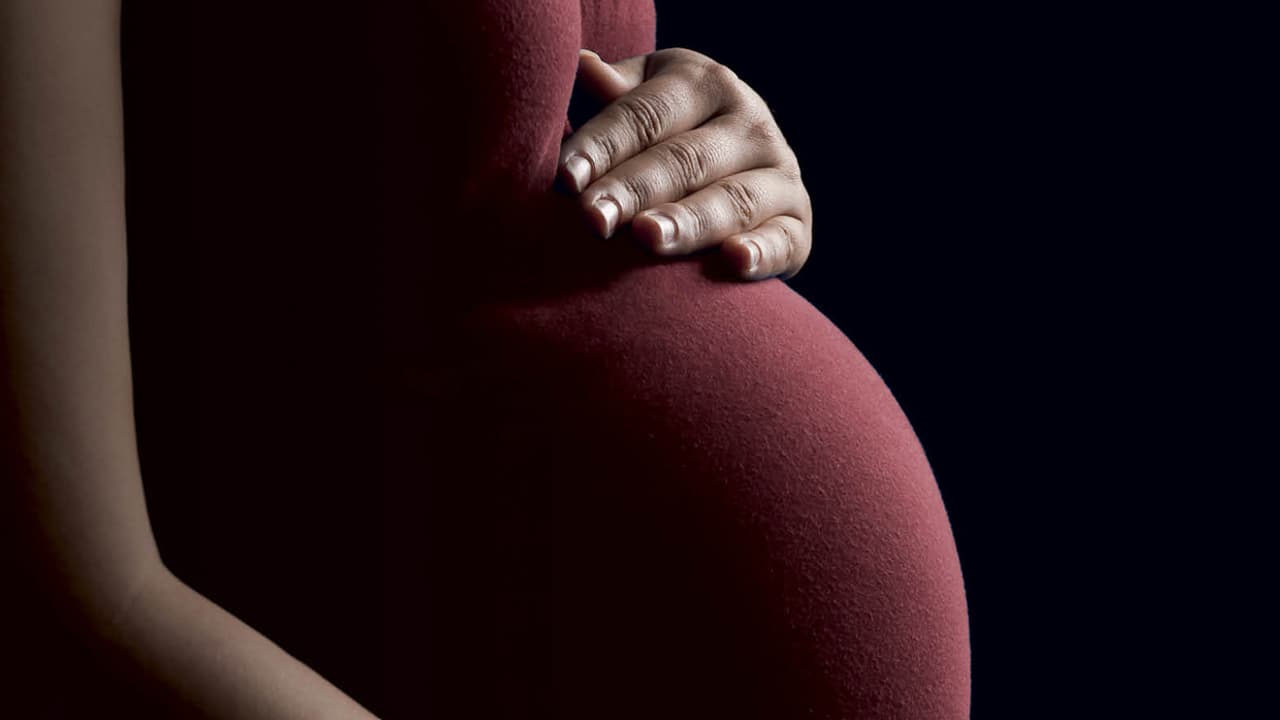
Getting pregnant after 35 is what doctors often call a ‘delayed pregnancy’. But these days, many couples are finding it tough to conceive, regardless of their age. Let’s take a look at some of the big reasons why this is happening more and more.
19
Image Credit : Asianet News
10 Reasons for Delayed Pregnancy
We often hear about ‘delayed pregnancy’, which usually means trying for a baby after 35. But today, many young couples are also struggling to conceive for various reasons. Here’s a look at what’s causing these fertility challenges.

29

Image Credit : Getty
Obesity can disrupt ovulation and egg quality
39
Image Credit : Getty
Infertility issues are not limited to obesity
Fertility problems aren’t just linked to obesity. Being underweight due to strict diets or excessive exercise can also disrupt ovulation. This can lead to irregular or even absent periods, making it very difficult to conceive.
49
Image Credit : Getty
Long work hours, shift work, sedentary routines, and chronic stress
Modern lifestyles often involve long work hours, shift duties, sitting all day, and chronic stress. Constant pressure and poor-quality sleep can affect hormone regulation and reproductive health, reducing fertility over time.
59
Image Credit : Getty
Smoking, alcohol, and tobacco use are more common in young women
69
Image Credit : Getty
Air pollution, pesticides, BPA, phthalates, and microplastics
Daily exposure to things like air pollution, pesticides, BPA, phthalates, and microplastics is a growing concern. Research suggests these endocrine-disrupting chemicals can interfere with hormone function and negatively affect fertility.
79
Image Credit : Istock
PCOS is one of the most common causes of infertility in young women.
India sees a high prevalence of PCOS, a hormonal disorder that often causes irregular ovulation. If ovulation doesn’t happen regularly, getting pregnant becomes much more difficult. This makes PCOS one of the most common causes of infertility in young women.
89
Image Credit : stockPhoto
Endometriosis can significantly reduce fertility
Endometriosis occurs when tissue similar to the uterine lining grows outside the uterus, causing pain and inflammation. If left untreated, it can damage reproductive organs and significantly reduce fertility.
99
Image Credit : Getty
Thyroid disorders, autoimmune diseases, and other metabolic conditions
Thyroid disorders, autoimmune diseases, and other metabolic conditions can disrupt ovulation, implantation, and overall reproductive health. Managing these conditions is a crucial part of fertility care.
Explore the latest Lifestyle News covering fashion, wellness, travel, Food and Recipes, and more. Stay updated with trending Health News, fitness tips, and expert insights to inspire your daily living. Discover personalized lifestyle trends that keep you stylish and informed. Download the Asianet News Official App from the Android Play Store and iPhone App Store for everything that adds value to your everyday life.