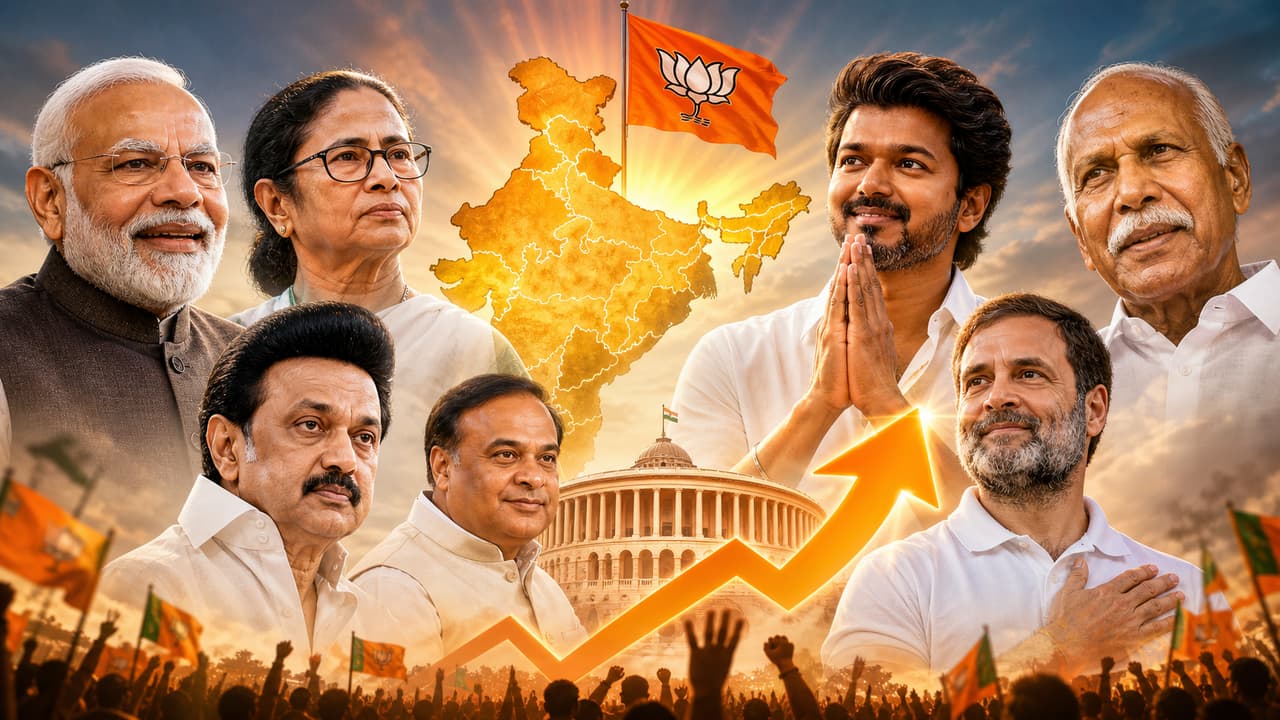
BJP First Government in Bengal: Big upset in Bengal elections 2026 – BJP’s historic victory for the first time, end of “Mamata era”. Vijay’s TVK changes 59 years of history in Tamil Nadu, DMK-AIADMK finished. BJP hat-trick in Assam, Congress returns in Kerala. Is this a sign of a new direction in Indian politics?
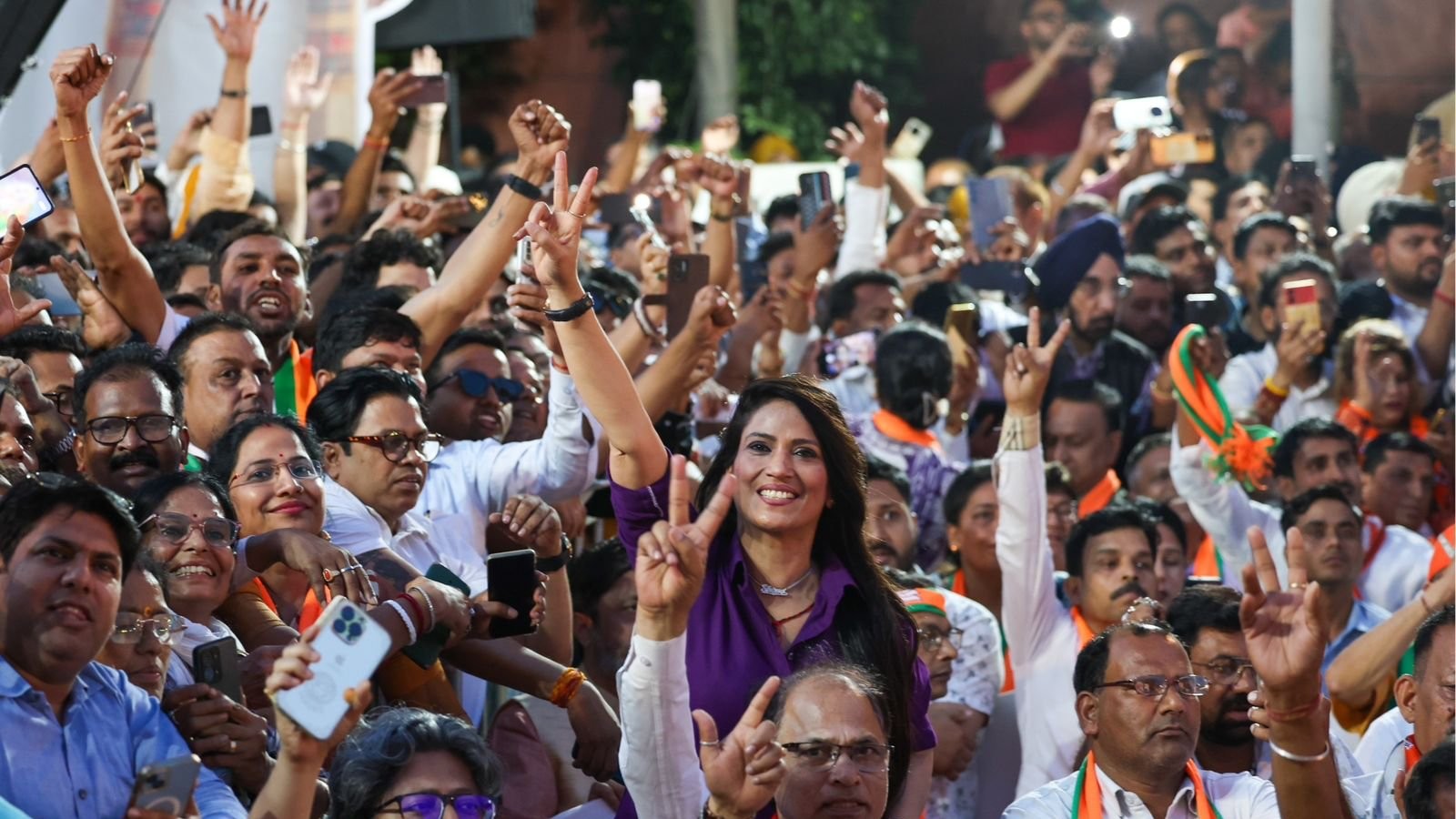
India Election Results 2026: The assembly elections 2026 of five Indian states – West Bengal, Tamil Nadu, Kerala, Assam and Puducherry – have created an earthquake in the country’s politics, the echo of which will be heard for years to come. This is not just a story of change of government, it is the birth of a new equation of power, strategy and public opinion. While on one hand there was a historical change in Eastern India, on the other hand in South India the political traditions established for decades were broken.
Scroll to load tweet…
‘Impossible’ became possible in Bengal: change of power after 15 years
What happened in the politics of West Bengal surprised every analyst. The regime which was considered strong for 15 years suddenly collapsed. By winning 206 seats, BJP not only achieved majority but also created a record which changed the political direction of the state. While Trinamool Congress was reduced to 81 seats. This change is not only in numbers but also in mentality. Mamata Banerjee’s defeat in the state was not just the loss of one seat – it signaled the end of an era. His 15 year old fort collapsed. His defeat in Bhawanipur seat made it clear that the public wanted change – and they voted openly. The defeat of 12 ministers shows that this change is not superficial but has gone deep.
Story hidden in data: Journey from 3 to 206 seats
The rise of BJP in Bengal is not the result of any one election. While 10 years ago the party had only 3 seats, today it has reached 206. This victory with 45.84% vote share is the result of strategic expansion and organizational strengthening. In contrast, TMC’s vote share fell from 48.5% to 40.8%. This decline directly reflects anti-incumbency and organizational fatigue.
‘Not the face, the system won’: Who is the CM now?
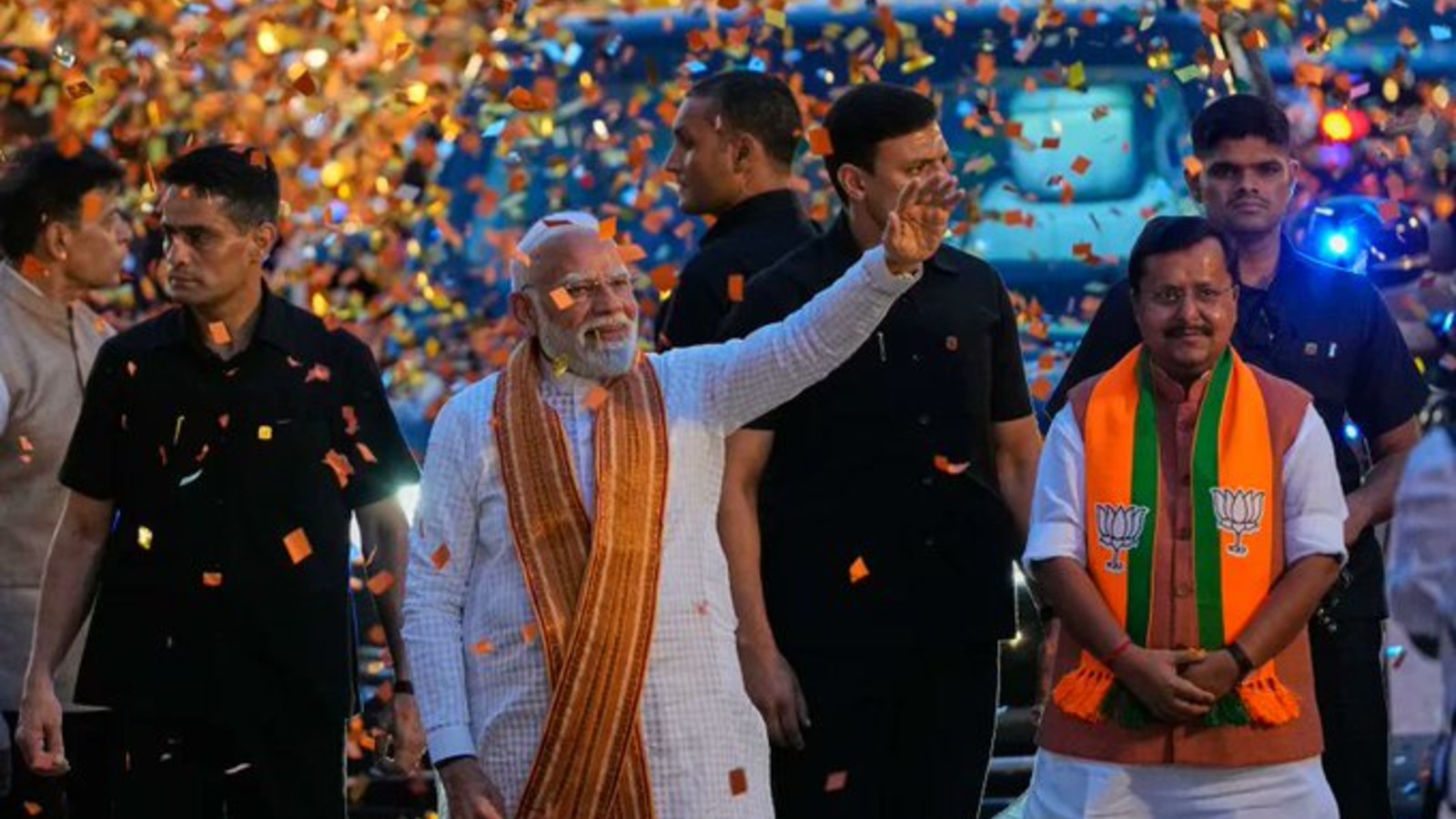
The BJP contested the elections without a chief ministerial face – which proved to be a risky but successful experiment. Now the biggest question is: Who will be the next Chief Minister of Bengal? Possible names include Subendu Adhikari, Sukanta Majumdar and Dilip Ghosh. The party may also bring forward a woman face – who may add a new chapter to the state’s politics.
Surgical strike of strategy vs emotions: How did BJP win?
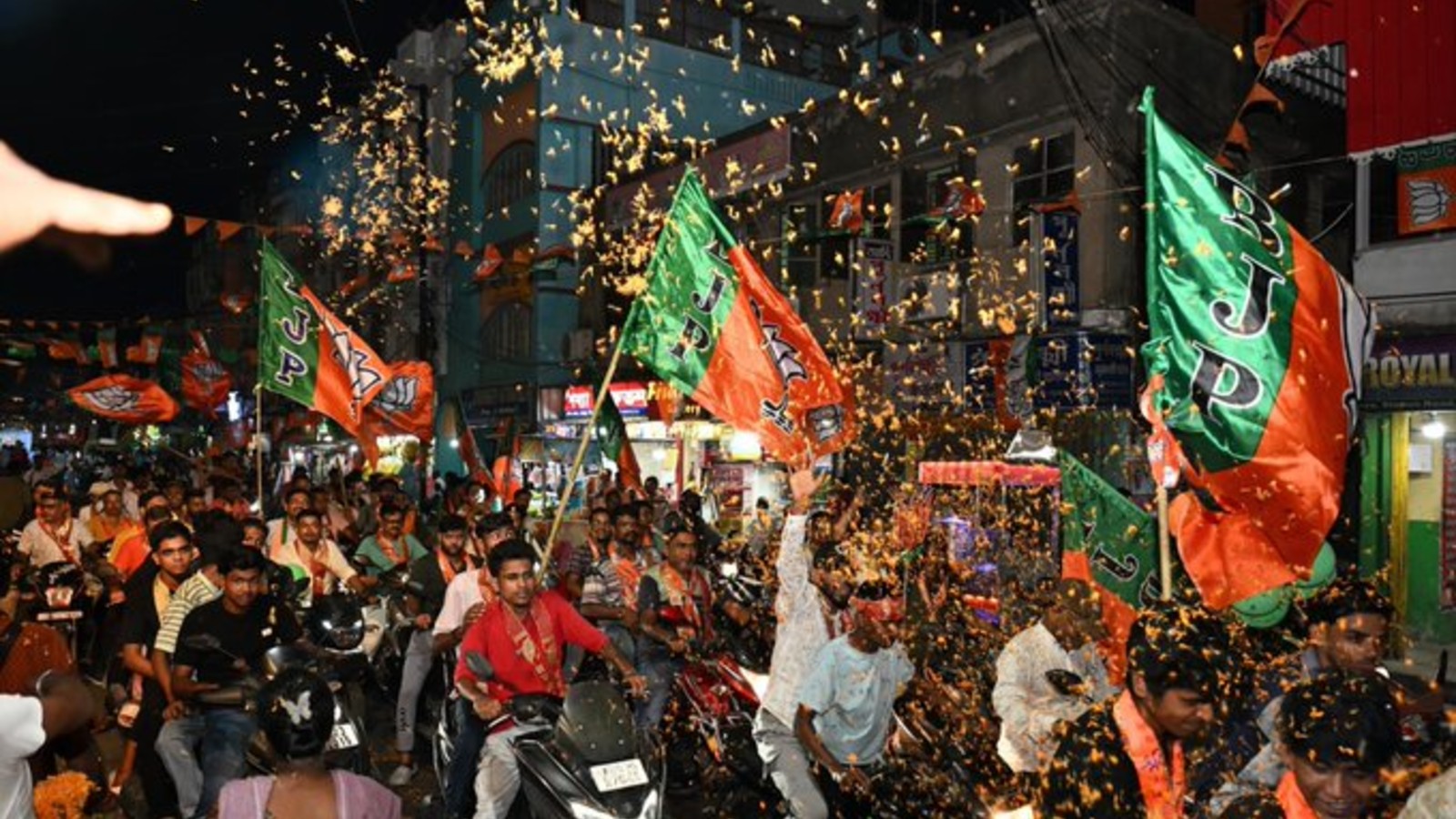
The reason behind this victory was not just wave, but very precise micro-management. Home Minister and former BJP national president Amit Shah spent 15 days in Bengal to strengthen the organization at the booth level. 44,000 polling stations were divided into categories and the ‘Panna Pramukh’ model was implemented – where each worker was given the responsibility of 30-60 voters. Along with this, large scale removal of names from the voter list and change in vote percentage also changed the equation. The election was won not just by propaganda, but by data and ground game. This strategy proved decisive in reaching the voters directly.
Entry of ‘Outsider’ in Tamil Nadu – Political explosion of ‘Thalapathy’
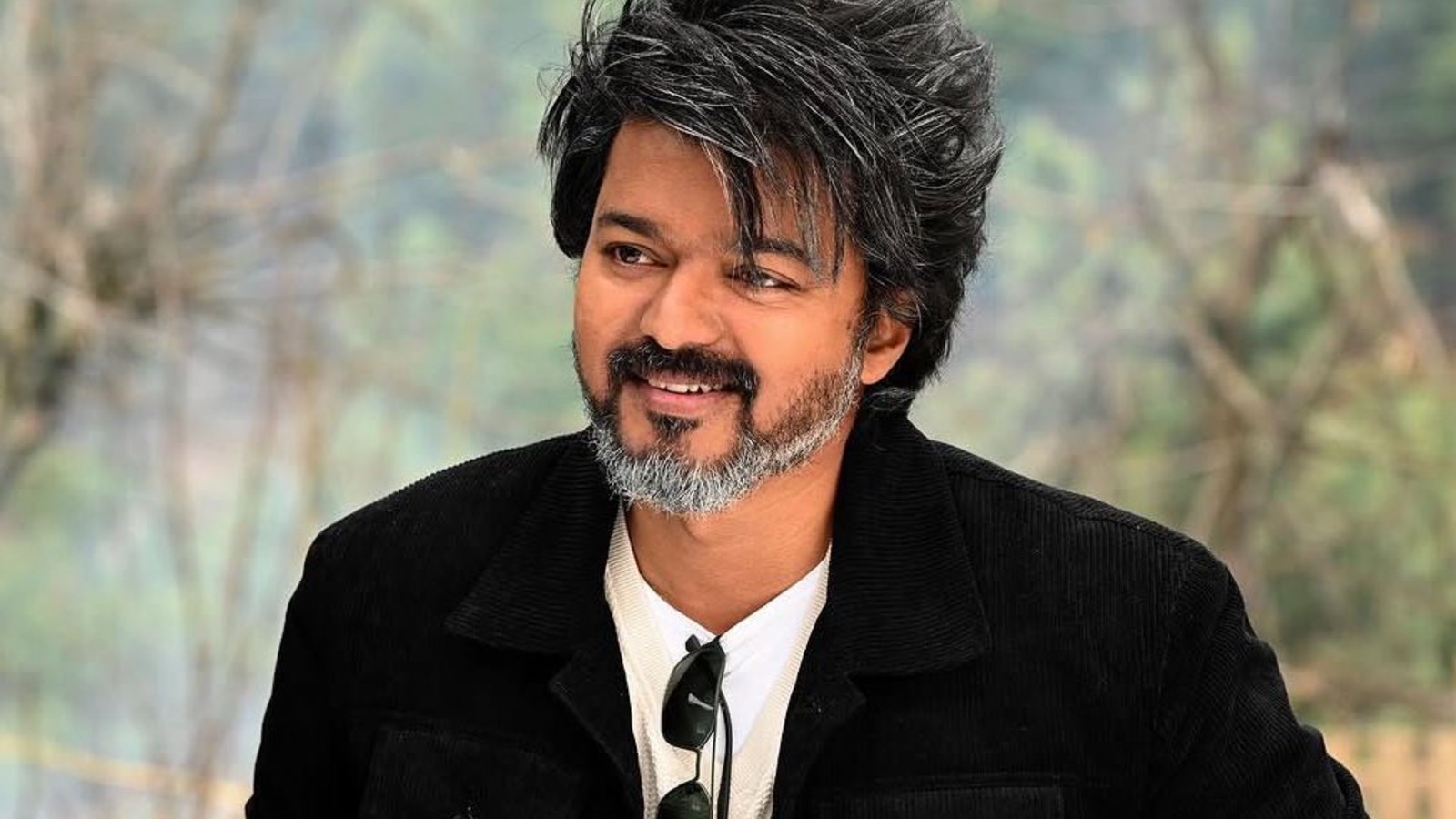
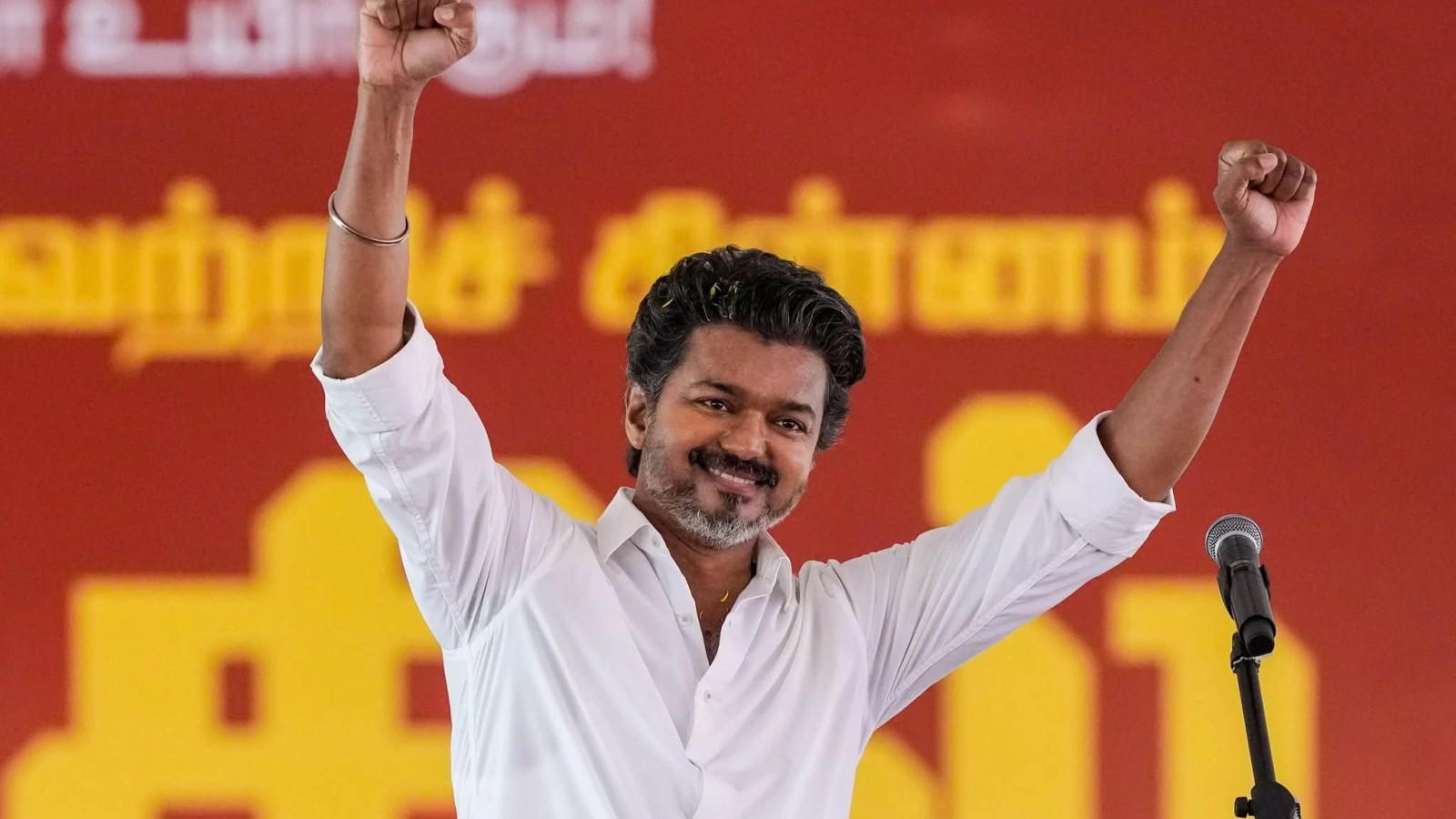
50+ years of established politics in Tamil Nadu has been shaken by a new party. Actor Vijay’s TVK left behind both DMK and AIADMK by winning 108 seats. It was not just a victory, but a system break – where for the first time the public chose a new option away from traditional Dravidian politics. CM M.K. Stalin’s defeat made this change even more dramatic.
‘Superstar to CM’-Will Vijay take command?
The rise of TVK has marked the beginning of new politics in Tamil Nadu. TVK received 34.92% of the votes—exceptional for a party contesting elections for the first time. The party’s dominance was clearly visible in northern and coastal Tamil Nadu. The party has shown how effective the combination of charisma and anti-incumbency can be. Now the question is not just whether Vijay will become the Chief Minister or not but whether this model will be replicated in other states in future?
‘Hat-trick’ and perfect score in Assam – BJP’s same government for the third time
While there was change of power in other states, there was stability in Assam. In Assam, under the leadership of Himanta Biswa Sarma, BJP formed the government for the third consecutive time by winning 82 seats. The most surprising thing was that not a single minister of the government lost the election. The 92.1% strike rate is a record in itself, which shows that anti-incumbency was almost non-existent there.
End of Left in Kerala: 50 years of history broken
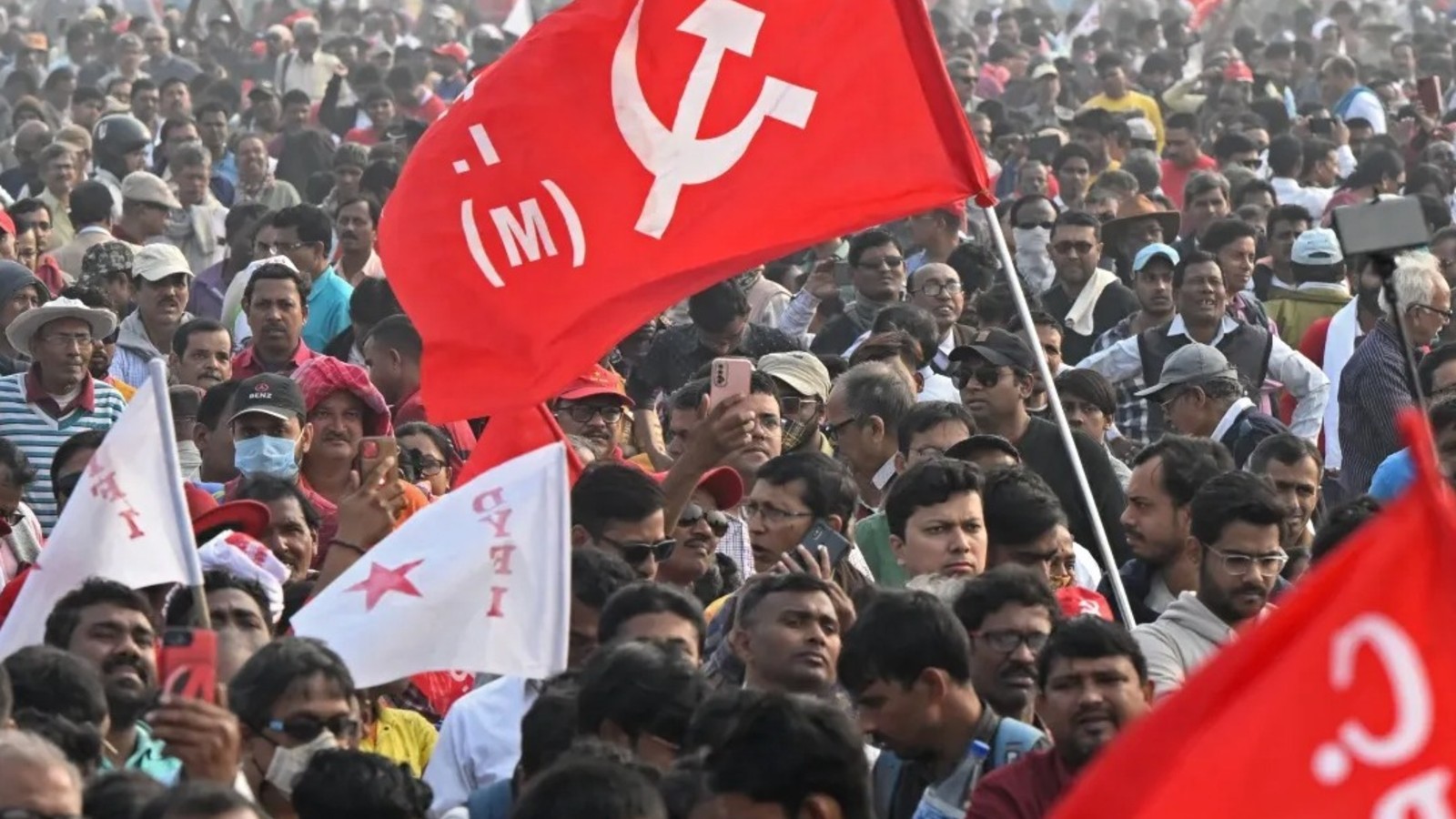
What happened in Kerala is historical. Here the Indian National Congress led UDF returned to power and the defeat of Pinarayi Vijayan gave a big signal. This is the first time in 5 decades that there is no Left government left anywhere in the country. This is not just the result of a state, but a sign of ideological change.
Puducherry: an exception to stability
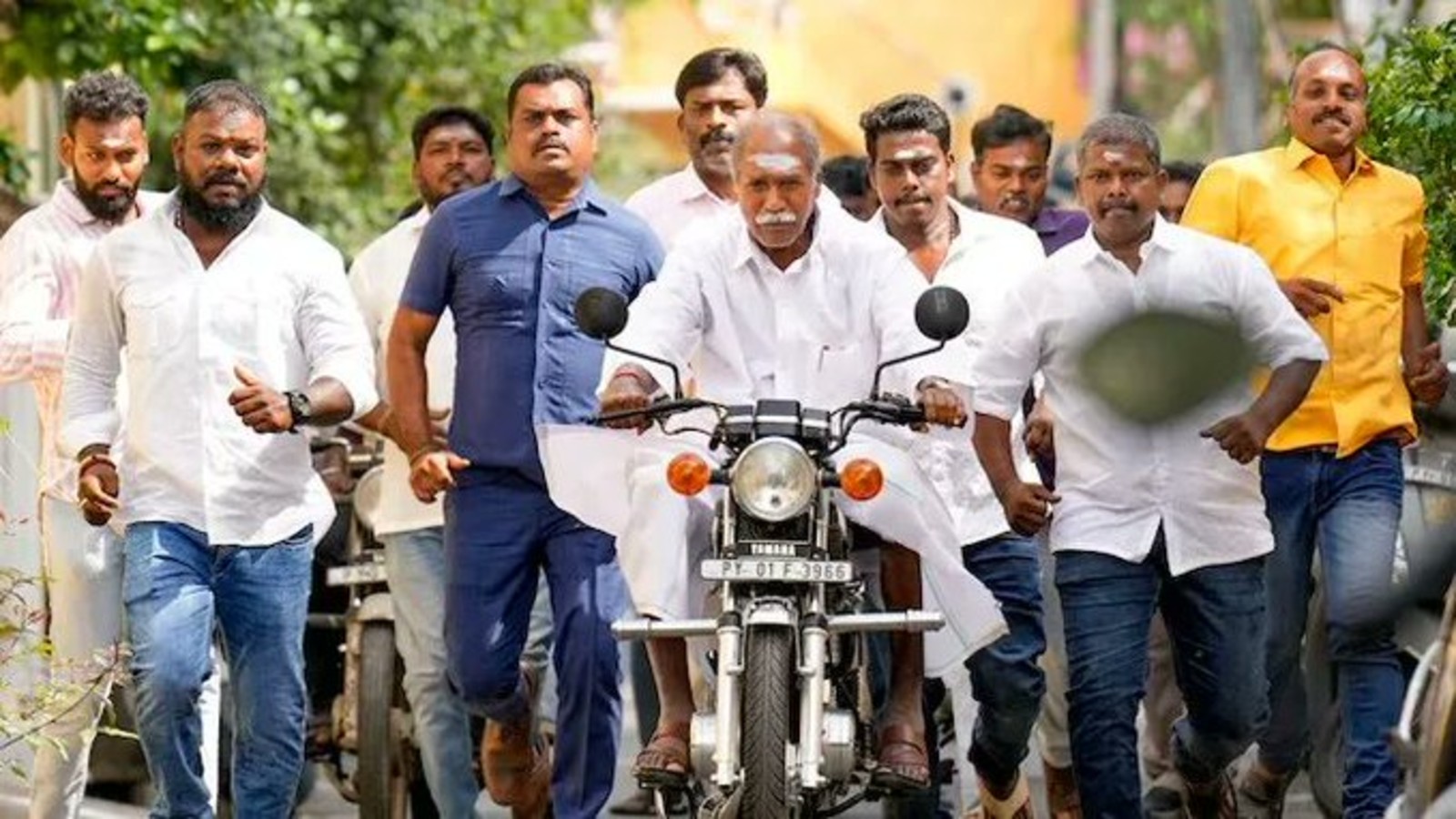
While there was turmoil in other states, N. Rangasamy returned to power in Puducherry for the fifth time. N in Puducherry. Rangasamy’s return showed how important political equations are even in small states. AINRC achieved the highest strike rate (75%) by winning 12 seats. This result suggests that local leadership and sustainability are still important factors.
Women’s silent vote-game changer factor
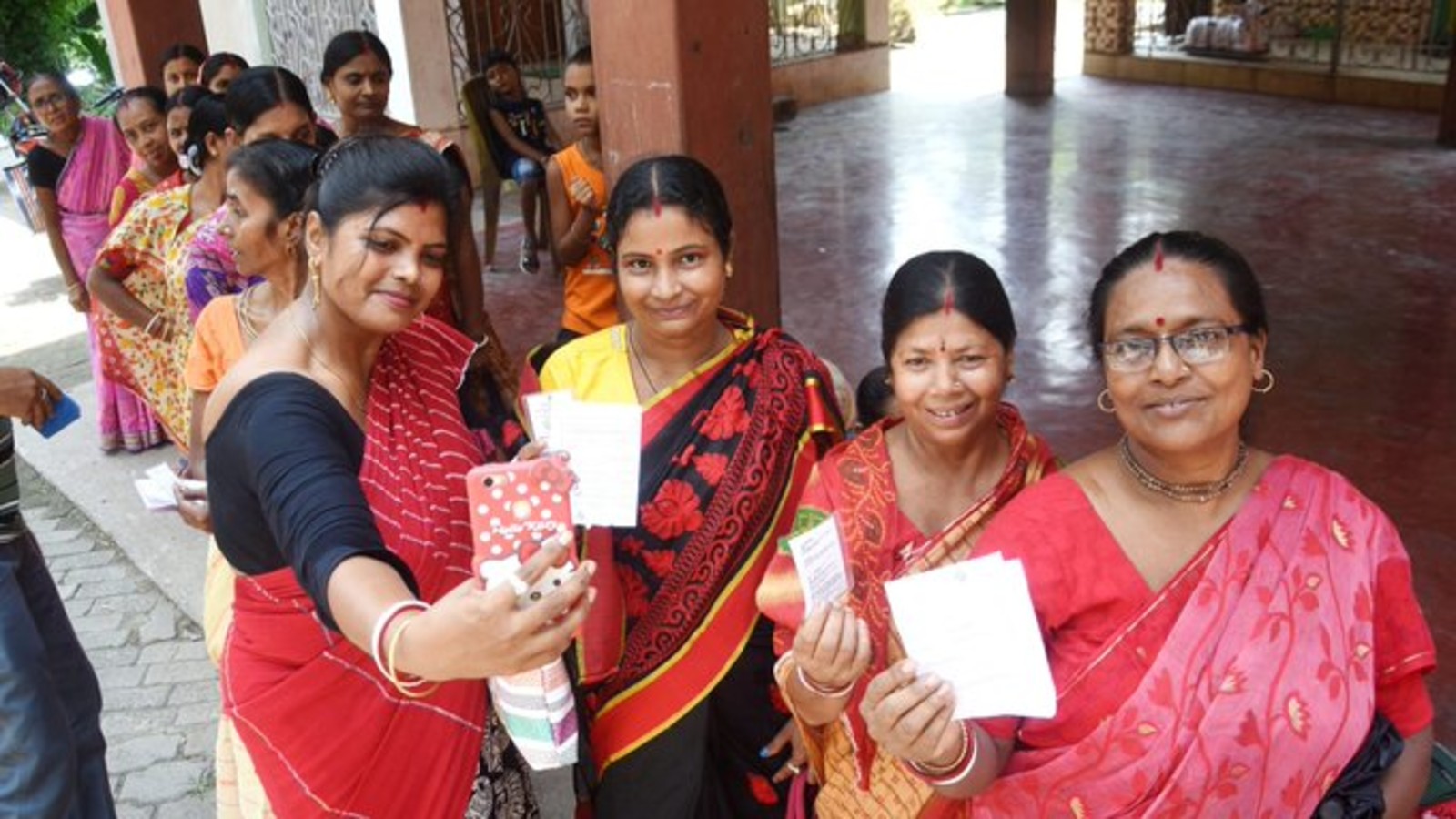
A surprising trend emerged in these elections – women voted more than men in every state. This ‘silent vote’ proved to be decisive in many seats and made the strength of the women vote bank more clear in future politics.
Grassroots stories: From utensil washer to MLA
The victory of Kalita Majhi from Aushagram seat of Bengal is the most inspiring story of this election. A woman doing domestic work becoming an MLA is an indication that the depth of social change is increasing in politics.

Impact on national politics: BJP majority in 11 states
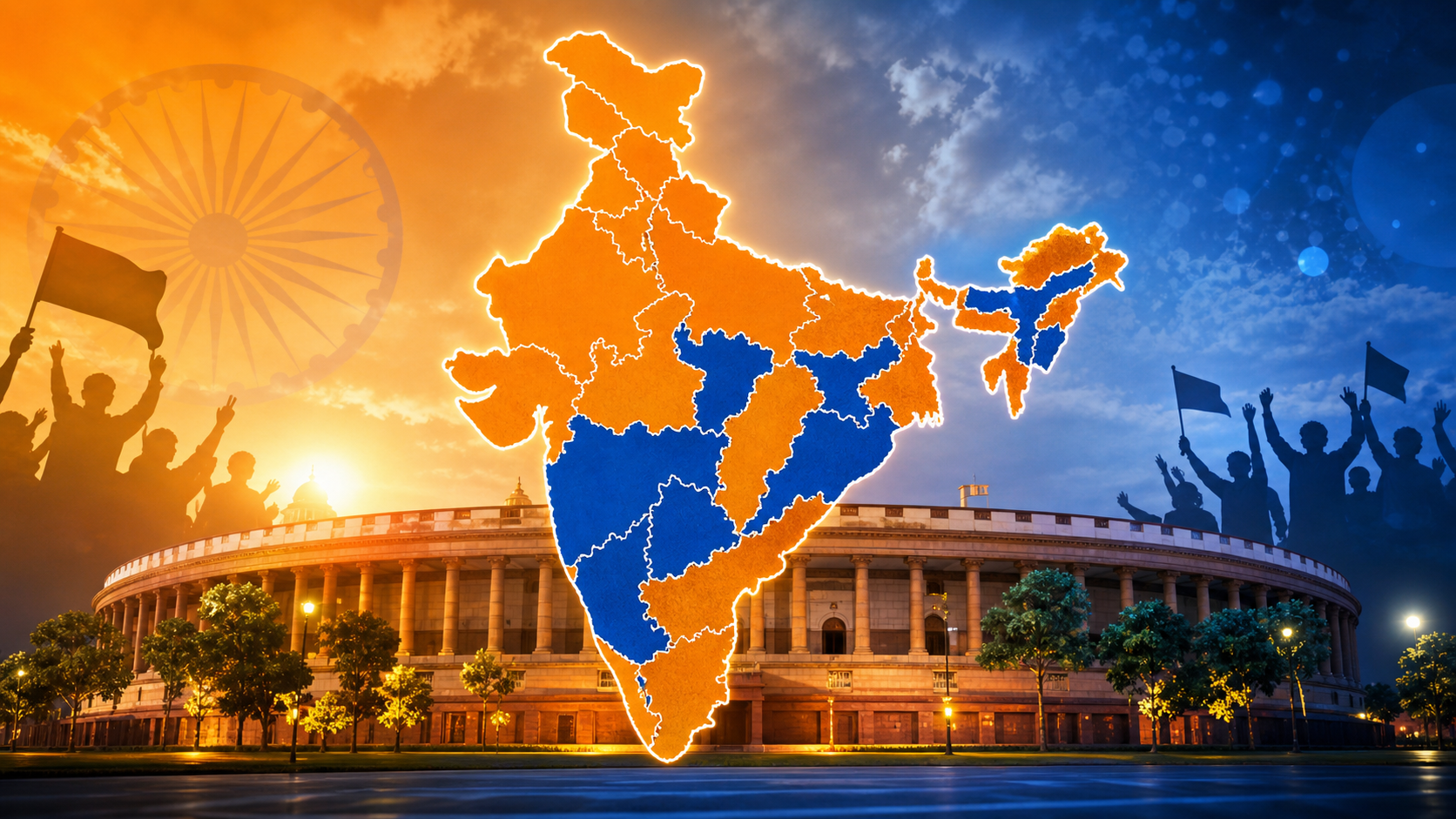
After these results, BJP now has absolute majority in 11 states and is part of the alliance in 11 other states. This further strengthens his hold at the national level.
‘Reset moment’ of Indian politics
The 2026 election results are not just a change of power—it is the reset button of Indian politics. BJP’s expansion in the East, emergence of new leadership in the South and ideological change in Kerala – all these together are ushering in a new political era. Now the focus will be on whether this change proves to be permanent or whether politics takes a new turn in the times to come.