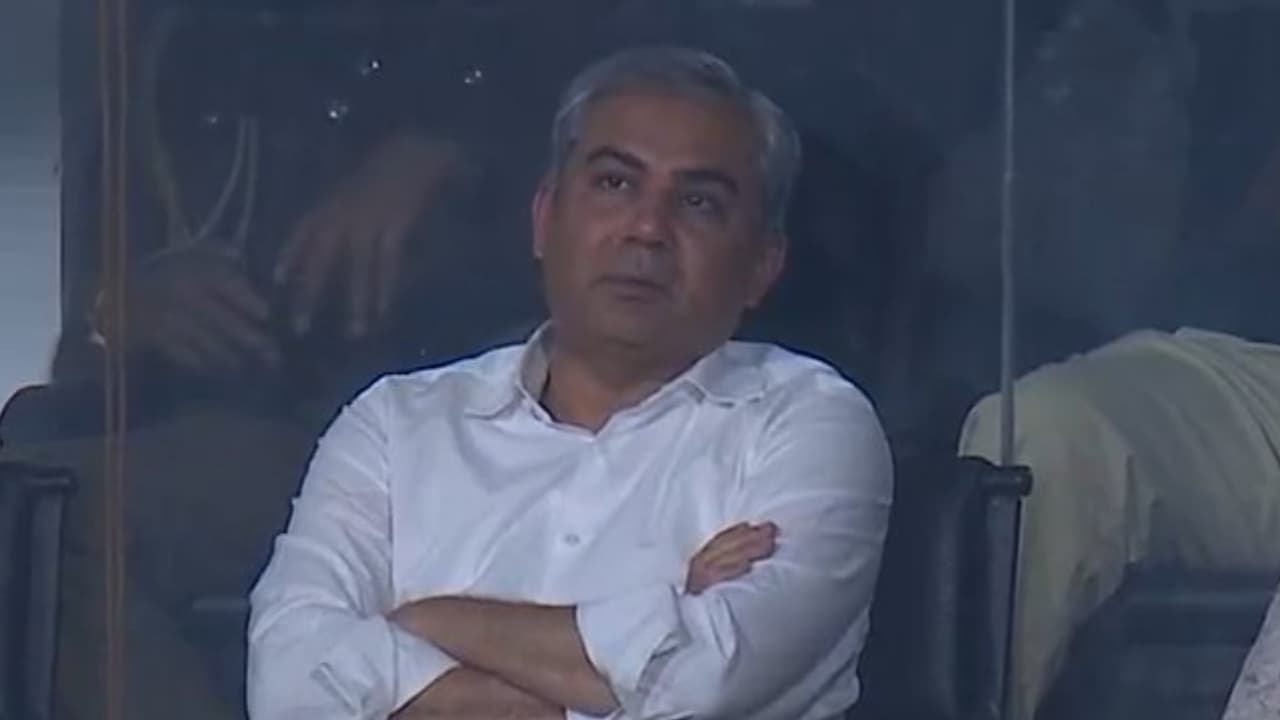
Pakistan Cricket Board (PCB) chairman Mohsin Naqvi has sparked a controversy by bizarrely claiming India has a fuel shortage to explain low attendance at PSL matches. This remark comes as Pakistan faces a real fuel crisis, leading to empty stadiums for the PSL, and has been widely mocked on social media as delusional.
Pakistan Cricket Board (PCB) chairman Mohsin Naqvi has sparked a controversy over a bizarre remark regarding the fuel availability comparisons between India and Pakistan during PSL-related discussions on Monday, April 13.
The ongoing season of the Pakistan Super League, which has 22 matches played so far, has been restricted to two venues, Gaddafi Stadium in Lahore and Karachi’s National Stadium, with close door policy due to the fuel crisis triggered by the ongoing West Asia conflict involving the US, Israel, and Iran.
West Asia War has impacted global fuel and oil supply, with Pakistan being affected the most as the diesel and petrol prices have surged sharply, causing shortages and transport disruptions across the country, forcing PSL venues to operate under tighter restrictions and cost pressures.
Also Read: PSL 2026: Naseem Shah’s Social Media Dig at Maryam Nawaz Sparks PKR 20 Million Fine from PCB
Mohsin Naqvi’s Controversial Remarks Go Viral
The PCB chairman, Mohsin Naqvi, has often been in the news for all the wrong reasons of late, and the latest remarks on fuel availability comparisons during PSL discussions have gone viral.
Speaking to the reporters at the National Stadium in Karachi, Naqvi was asked why IPL matches in India attract large crowds while PSL games in Pakistan have limited or no spectators, with the reporter questioning the difference in turnout between the two leagues.
To which, the PCB chairman, who is also Pakistan’s Interior Minister, responded that Pakistan is in a better position than India on fuel supply, and a better organisation helps in difficult times.
“Our stance is a bit different. In India, the lines at petrol pumps are long, and there is a fuel shortage. In your country, there isn’t. In difficult times, those who reorganize themselves find things easier.” Naqvi said.
Scroll to load tweet…
While PCB has imposed a no-crowd policy for the ongoing PSL season, the 19th edition of the IPL continues to draw packed stadiums across venues in India, highlighting a stark contrast in attendance and overall fan engagement between the two leagues amid the ongoing fuel crisis and logistical constraints in Pakistan.
‘Pakistan Lives In Its Own Delusion World’
PCB chairman Mohsin Naqvi’s bizarre claim on fuel availability comparisons between India and Pakistan has sparked massive discussions on social media, especially X (formerly Twitter), with fans and cricket enthusiasts mocking the statement and questioning the logic behind it.
Taking to their X handles, fans and cricket enthusiasts brutally mocked Naqvi’s comments, calling them “out of touch” and “delusional,” while highlighting the contrast between IPL’s packed stadiums and PSL’s empty stands. Many criticized the comparison of fuel availability between India and Pakistan.
Others pointed out the stark difference in petrol and diesel prices, infrastructure, and stadium attendance between the two countries, arguing that such comparisons were misleading and unrelated to PSL’s on-ground challenges.
Scroll to load tweet…
Scroll to load tweet…
Scroll to load tweet…
Scroll to load tweet…
Scroll to load tweet…
Scroll to load tweet…
Scroll to load tweet…
Scroll to load tweet…
Scroll to load tweet…
Scroll to load tweet…
Scroll to load tweet…
The ongoing fuel crisis hasn’t impacted the ongoing IPL season, as matches across India continue to witness packed stadiums, strong fan turnout, and smooth logistical operations by the BCCI and franchises, highlighting a clear contrast with PSL’s restricted and low-attendance matches in Pakistan.
In the Pakistan Super League, journalists and media face restricted access and limited on-ground coverage due to security and logistical constraints.
Also Read: ‘Blackmail Cricket?’ PCB Chief Mohsin Naqvi’s T20 World Cup Threat Sparks Global Storm