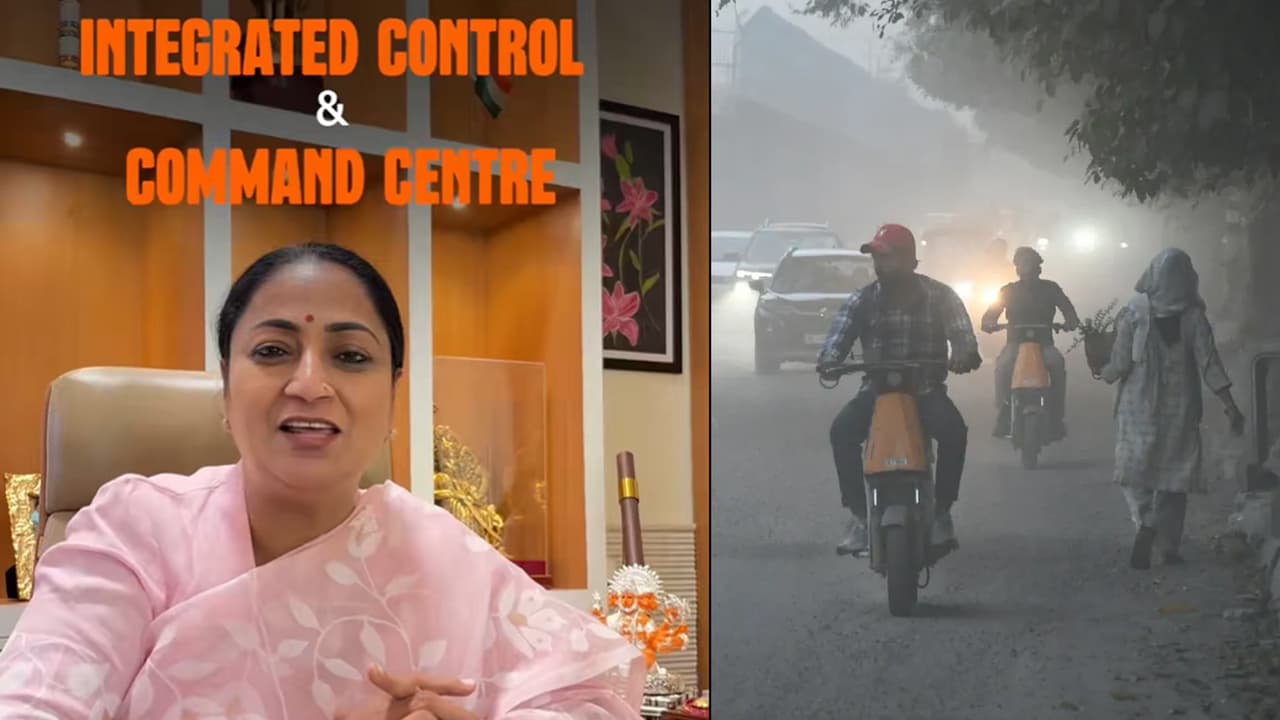
Delhi is strengthening pollution monitoring through ICCC, AI-driven cameras, real-time data analysis and GPS tracking of mechanical sweepers, with the government aiming for faster action on the ground.
Delhi has begun taking steps towards adopting technology in combating pollution as the government focuses on real-time monitoring and fast intervention instead of depending upon periodic data. As stated by the Chief Minister, Rekha Gupta, the Integrated Command and Control Centre (ICCC) will be leveraged to monitor pollution and intervene accordingly.
According to the social media post by the Chief Minister, the city of Delhi has been waiting for such an initiative for almost a decade. The ICCC will now be considered the central hub where pollution-related information and activities will be monitored.
Delhi Pollution To Be Monitored 24×7
ICCC will enable 24×7 surveillance of the pollution-related conditions around the city. The emphasis here will be not only on monitoring information but also taking timely actions based on the real-time information that is received.
ICCC will have AI-enabled cameras along with real-time information analysis capabilities, thus enabling the merging of data received from various sources.
AI Cameras And Live Data Strengthen Surveillance
Delhi’s pollution levels can change due to several factors, making continuous monitoring important. Through AI-enabled cameras and live data, authorities are seeking to identify changes in pollution-related conditions faster and improve their ability to respond.
The approach could be particularly relevant during winter, when air quality in Delhi often becomes a major concern and multiple agencies may need to coordinate pollution-control measures.
GPS Tracking Of Mechanical Sweepers
Another key component is GPS-based monitoring of mechanical sweepers. The system will help track where sweeping machines are operating and provide greater visibility into road-cleaning activities.
Road dust is among the concerns associated with Delhi’s pollution, making monitoring of mechanical sweeping an important part of the broader strategy.
From Monitoring To Faster Ground Action
The government’s stated objective is to go beyond simply observing pollution levels. By bringing surveillance, data analysis and field activities together, the ICCC is intended to help authorities respond more quickly when action is required.
However, the effectiveness of such a system will ultimately depend on how quickly real-time information translates into action on the ground. Technology can improve monitoring, but sustained implementation of pollution-control measures will remain crucial.
A Technology-Based Approach To Delhi Pollution
Delhi’s pollution problem has multiple contributing factors, including vehicle emissions, road dust, construction activity, waste and weather conditions. This makes coordination between different agencies important.
The ICCC approach seeks to provide a more integrated framework by connecting monitoring, data analysis and field-level activities through a common system. The initiative marks a stronger emphasis on using technology to support Delhi’s efforts to tackle pollution.