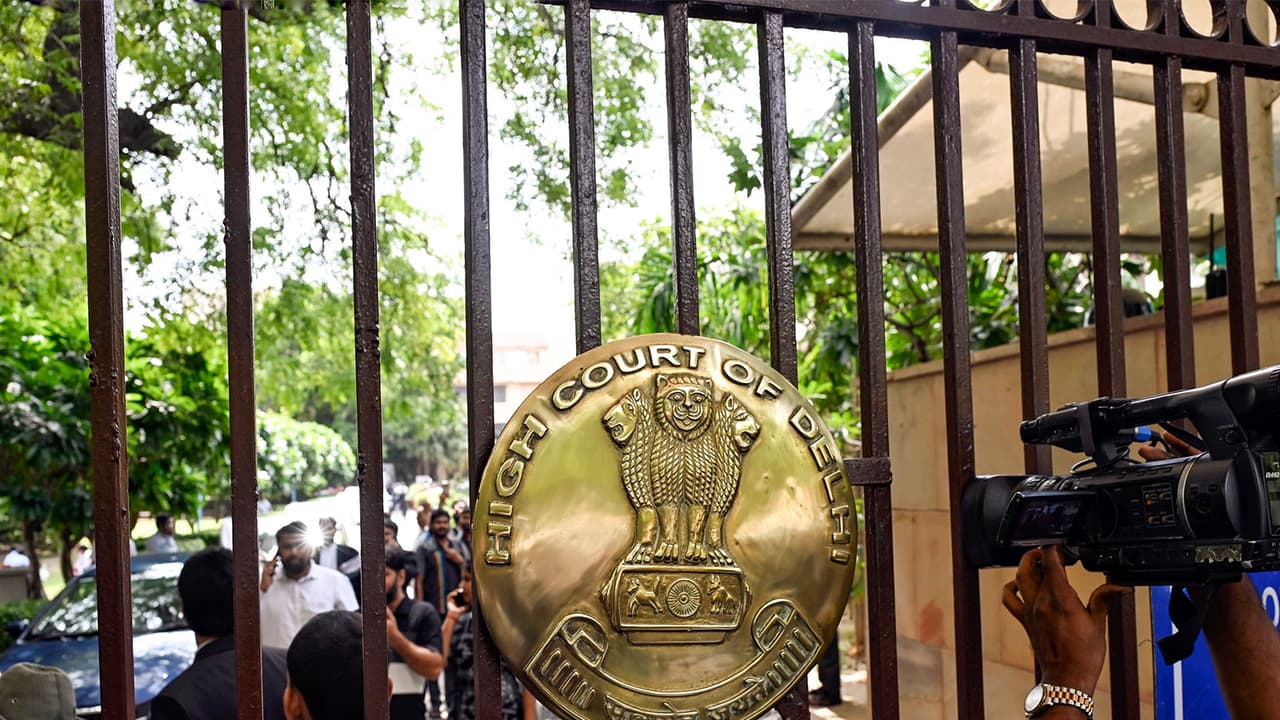
The Delhi High Court has asked the Railways and IRCTC to respond to a PIL seeking an independent audit of the online ticket reservation system. The plea alleges technical glitches and possible unfair access, demanding a transparent booking process.
Delhi HC Seeks Response on Plea for IRCTC System Audit
The Delhi High Court on Wednesday sought the stand of the Ministry of Railways and the Indian Railway Catering and Tourism Corporation (IRCTC) on a Public Interest Litigation seeking an independent audit of the online railway ticket reservation system over alleged technical failures and possible unfair access to available tickets.
A Division Bench of Chief Justice Devendra Kumar Upadhyaya and Justice Tejas Karia asked the counsel appearing for the government and Railways to obtain instructions on the petition within a week.
The PIL has been filed by Uttam Kumar, a practising advocate, who has raised concerns regarding the functioning of the passenger reservation system operated through IRCTC, RailOne and other allied digital platforms. The petitioner has alleged that passengers may face difficulties such as login and authentication issues, booking-session failures, payment-related problems and instances where a booking attempt does not culminate in ticket generation, particularly around the opening of advance reservation windows and other periods of high demand.
Key Demands of the Petition
The plea, however, makes it clear that the petitioner is not seeking any particular ticket, berth or preferential treatment. It seeks institutional directions to ensure that genuine passengers have a fair, transparent, reliable and meaningful opportunity to access available railway accommodation. Advocates Kumud Jha, Paras Jaiswal, Shubham Shekhar and Vishal Kumar Singh, appearing for the petitioner through K&S Domus Legalis, sought an independent and technically competent examination of the reservation ecosystem.
The petition seeks a comprehensive, time-bound technical, operational and administrative audit covering server and network capacity, booking and queue-management infrastructure, availability display, authentication systems, payment gateways, ticket generation, transaction reconciliation, RAC and waitlist allocation, refund mechanisms, special-quota utilisation and authorised-agent access.
The petitioner has also sought examination of whether authorised agents or intermediaries have any technological or operational advantage over ordinary passengers and, if such differences exist, whether they have a legitimate and transparent basis The PIL further seeks an examination of safeguards against bots, automated scripts, bulk-booking tools, unauthorised software and misuse of credentials. The petition specifically states that the petitioner is not, at this stage, alleging that any particular person, broker or intermediary has committed an illegality, but seeks an independent inquiry into whether any such unfair or unauthorised advantage exists.
Scrutiny of Special Quotas and Refunds
Another issue raised in the petition relates to special reservation quotas, including High Official Requisition/Emergency and other earmarked quotas. While the petitioner does not challenge the existence of legitimate quotas, he has sought an auditable record of their requisition, release, allotment and subsequent utilisation.
The petition also raises concerns over instances where a passenger’s account may be debited without a ticket being generated. It seeks a clear and time-bound mechanism for determining the status of such transactions and processing refunds or reversals wherever legally due. It further seeks transparency in the allocation of vacant berths to RAC passengers and in the treatment of amounts collected from passengers who remain fully waitlisted after chart preparation.
Preservation of System Records Demanded
The petitioner has sought preservation and examination of system-generated records, including booking logs, server and access logs, authentication records, payment-reconciliation data, transaction and ticket-generation records, availability data, cancellation records and quota-allocation records. According to the plea, such records can help determine whether the concerns raised are isolated incidents or recurring deficiencies.
The petition states that its objective is not to ask the court to decide technical matters itself, but to ensure an objective examination by the competent authorities and corrective measures if any systemic deficiencies are established. (ANI)
(Except for the headline, this story has not been edited by Asianet Newsable English staff and is published from a syndicated feed.)