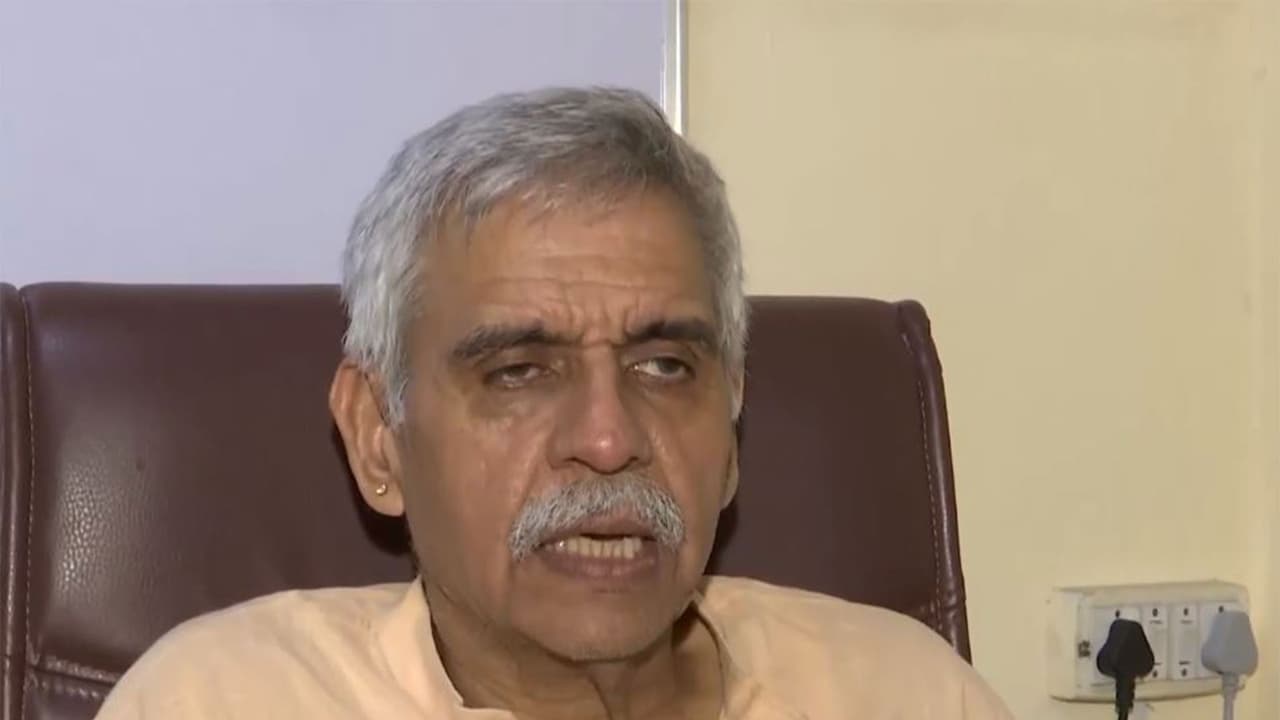
Delhi government has approved the new EV policy 2026. Congress leader Sandeep Dixit expressed concern over challenges like battery disposal. According to the government, this policy will help in reducing pollution and creating modern transport.
New Delhi [भारत]June 29 (ANI): Congress leader Sandeep Dikshit on Monday expressed concern over the challenges of implementation of the recently approved Delhi EV Policy 2026. He said the issue of pollution in the national capital is complex and requires a comprehensive approach beyond just electric mobility.
Congress raised questions
Speaking to ANI, Dixit said, “The issue of Delhi’s pollution is a very complex one… We have talked about the constant construction, broken roads and flying dust… Even with EVs, a big question is what will happen to the batteries that are coming out… This pollution also has to be solved by the government. It should not be that we spoil the future while solving today’s problems.”
Government welcomed the policy
Meanwhile, Delhi Transport Minister Pankaj Singh said the policy reflects the government’s intention to ensure public benefit and a clean transport system. He told reporters, “My dream seems to be coming true. We will send the file to the LG today. We hope to implement the policy from tomorrow. The CM and the Cabinet have ensured that people get the benefits of this policy and there is no burden on them.”
Delhi Minister Ashish Sood said the EV policy will significantly improve the quality of life in the capital and strengthen modern infrastructure. “Delhi’s EV policy has now been made. It will bring a change in the lives of the people of Delhi. What should the country’s capital be like? It should have modern infrastructure, and its transport system should eliminate pollution,” Sood told reporters.
Apart from this, Delhi Minister Maninder Singh Sirsa also welcomed the policy saying that it will help in reducing pollution by replacing old vehicles with electric alternatives. He said, “This EV policy will help in working against pollution by removing polluting vehicles. If EV vehicles are introduced then pollution can be reduced in Delhi.”
The comments come after the Delhi Cabinet earlier in the day approved the EV Policy 2026, a major initiative aimed at accelerating the adoption of electric vehicles and reducing vehicular pollution in the national capital.
What is special in Delhi EV Policy 2026?
As per the official details, this policy will be effective from July 1, 2026 and will be valid till March 31, 2030. It offers 100 percent rebate on road tax and registration fees for electric vehicles, which will be applicable on four-wheelers priced up to Rs 30 lakh.
Rebates and incentives
Along with this, purchase incentive of up to Rs 30,000 for two-wheelers, Rs 50,000 for three-wheelers and Rs 1 lakh for N1 goods vehicles will be given. The policy also includes scrappage incentives of up to Rs 1 lakh for four-wheelers, Rs 25,000 for three-wheelers, Rs 10,000 for two-wheelers and Rs 50,000 for N1 trucks for the purpose of replacing old, polluting vehicles.
Charging infrastructure and other regulations
A key feature of the policy is the expansion of EV charging infrastructure with plans to have over 30,000 charging points across Delhi. Incentives and benefits will be transferred directly to the beneficiaries through the Direct Benefit Transfer (DBT) system.
It also sets out a phased registration mandate, under which only electric three-wheelers and N1 goods carriers will be registered from January 1, 2027, while only electric two-wheelers will be registered from April 1, 2028. The policy also sets electrification targets for school buses, aiming for 10 per cent fleet conversion in two years, 20 per cent in three years and 30 per cent by March 31, 2030.
Budget and goals for the policy
The Delhi government has committed over Rs 7,000 crore over the next four years for implementation, with the total benefits of the policy expected to exceed Rs 15,000 crore, including incentives and infrastructure support.
Chief Minister Rekha Gupta said the policy has received support from the Center and will now be sent to the Lieutenant Governor (LG) for final approval. He said the initiative aims to transform Delhi into a clean, pollution-free transport hub through coordinated efforts and extensive discussions with stakeholders. (ANI)
(Except for the headline, this story has not been edited by Asianetnews Editorial staff and is published from a syndicated feed.)