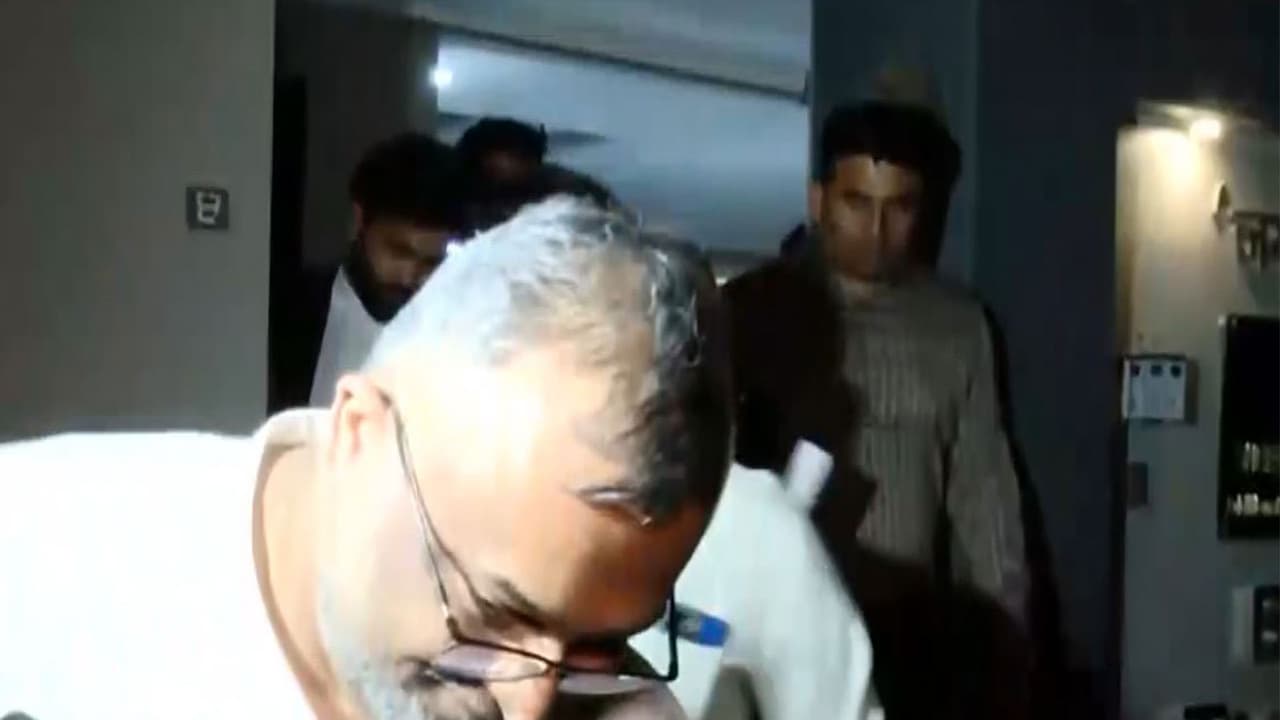
A Delhi court observed the ED’s full compliance with PMLA rules in arresting I-PAC director Vinesh Kumar Chandel. It granted the ED 10 days’ custody to probe alleged hawala links, fund movement, and evidence tampering by the accused.
Court Upholds Arrest Procedure
A Delhi court has observed that the Enforcement Directorate (ED) complied with statutory requirements under the Prevention of Money Laundering Act (PMLA) while arresting Vinesh Kumar Chandel, director of I-PAC and recorded that relevant arrest documents and grounds were duly furnished to the accused in accordance with law.
In its order, the court noted that copies of the arrest order, grounds of arrest, and related documents were provided to the accused at the time of arrest, with acknowledgment, and that the material was also forwarded to the Adjudicating Authority. It observed that the requirements under Sections 19(1), 19(2), and 19(3) of the PMLA had been complied with, and that statutory safeguards were followed.
ED’s Allegations Against Accused
Referring to the material placed on record by the ED, the court noted allegations that the accused was involved in the use of informal channels, including hawala, for movement of funds, and that certain transactions were carried out outside the formal banking system. The order also records the agency’s claim that statements made during investigation were inconsistent with the material collected, and that transactions with multiple entities lacked an apparent legitimate business purpose.
The court further noted the agency’s allegations that certain electronic records and emails were deleted following search proceedings, which, according to the ED, may have impacted the investigation. It observed that these aspects would require further examination during the course of investigation.
Custodial Interrogation Granted
On the question of custody, the court observed that the material on record indicates the need for custodial interrogation to ascertain the role of the accused, trace the proceeds of crime, and identify other persons involved. It also took note of the ED’s submission regarding the possibility of evidence tampering and the need to secure relevant information.
Accordingly, the court allowed the ED’s application and granted 10 days’ custody of the accused till April 23, 2026, with directions that interrogation be conducted in accordance with prescribed safeguards, including CCTV coverage and periodic medical examination. (ANI)
(Except for the headline, this story has not been edited by Asianet Newsable English staff and is published from a syndicated feed.)