The Delhi Cabinet has greenlit the Ease of Doing Business Bill, 2026, to simplify business setup and operations. The bill proposes a single-window online system for approvals, reducing paperwork, delays, and inspections to boost investment.
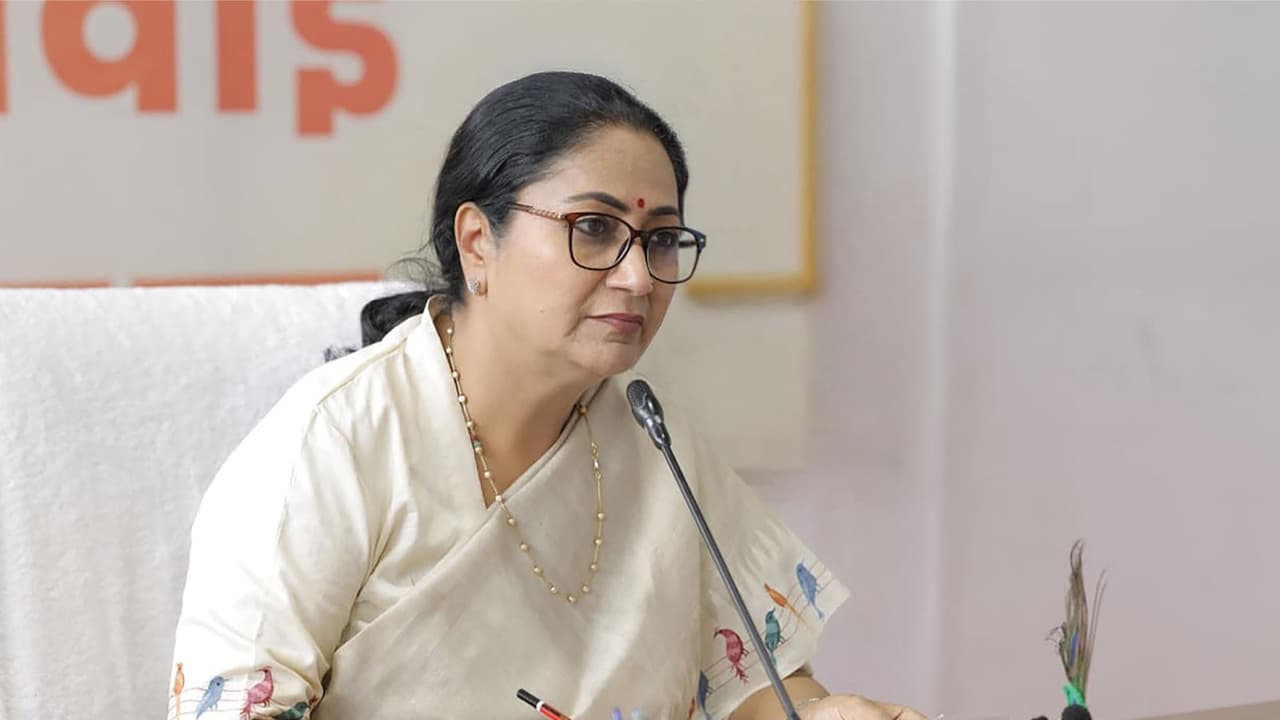
The Delhi Cabinet, chaired by Chief Minister Rekha Gupta, has approved the Delhi Ease of Doing Business Bill, 2026, aimed at making it easier, faster and more transparent for businesses to obtain approvals, registrations, licences and other clearances in the capital. The proposed law seeks to reduce paperwork, delays and repeated visits to government offices.
Single-Window Clearance System
A key feature of the Bill is a single-window online system through which businesses will be able to apply for multiple approvals, including building plans, fire clearances and water, sewer and electricity connections. The Delhi State Industrial and Infrastructure Development Corporation (DSIIDC) will act as the nodal agency for business approvals under the system. The government aims to bring various business-related services onto one technology-driven platform.
Faster Approvals and Deemed Status
The Bill also proposes faster approvals for low-risk activities. For activities listed under Schedule-3, approvals, licences and no-objection certificates will be granted immediately after submission of the application in eligible cases, with self-declaration allowed for specified low-risk categories. For other activities, approvals will have to be issued within the timelines prescribed under the Right to Timely and Easy Delivery of Services to Citizens Act, 2026, with a provision for deemed approval if the authorities fail to decide within the stipulated period.
Reduced Registrations and Inspections
The government also plans to reduce duplicate registrations and inspections. Businesses already registered under GST, FSSAI, the MSME Development Act or labour codes will not have to obtain separate registrations for trade, health-trade, eating houses or shops and establishments. Under the proposed inspection system, routine inspections will not be conducted for three years after registration, although inspections can be carried out in cases involving serious complaints.
Negative-List System Introduced
The Bill further proposes a negative-list system, under which businesses would be free to operate unless an activity is specifically prohibited under Schedule-2. It also seeks to ensure that government departments do not repeatedly ask applicants for documents or information already available with another Delhi government authority.
Attracting Investment and Employment
Chief Minister Rekha Gupta said the reforms would reduce the time, cost and uncertainty involved in setting up and running businesses, while helping attract investment and create employment. After Cabinet approval, the Bill will now be sent to the Ministry of Home Affairs for further consideration. (ANI)
(Except for the headline, this story has not been edited by Asianetnews Editorial staff and is published from a syndicated feed.)