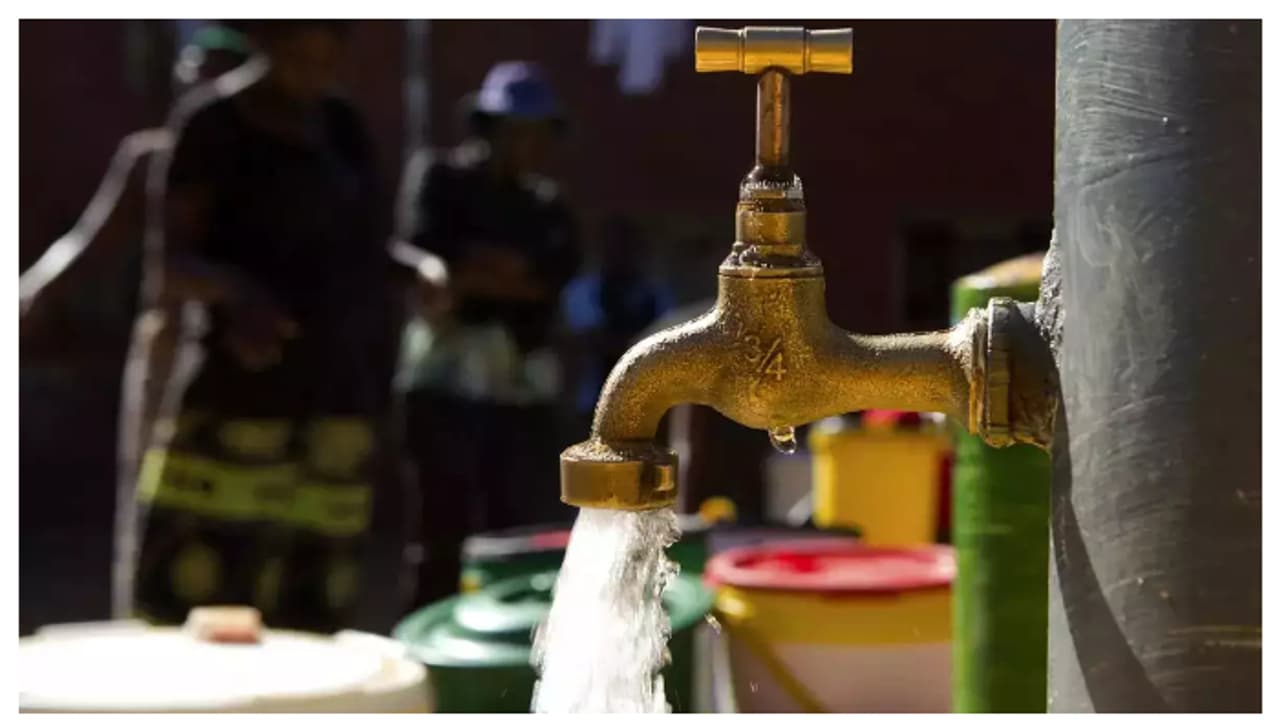
Delhi has taken another step towards improving the city’s drinking water infrastructure by increasing the Bawana Water Treatment Plant’s treatment capacity from 20 million gallons per day (MGD) to 22 MGD.
Delhi has taken another step towards improving the city’s drinking water infrastructure by increasing the Bawana Water Treatment Plant’s treatment capacity from 20 million gallons per day (MGD) to 22 MGD. The upgrade is expected to strengthen water supply in northwest Delhi and benefit more than 35,000 residents with cleaner and more reliable drinking water.
Bawana Plant Capacity Increased
The Delhi government has enhanced the Bawana Water Treatment Plant’s processing capacity by an additional 2 MGD, enabling the facility to treat more water each day. The expansion is aimed at addressing the growing demand for drinking water in rapidly developing parts of the capital.
More Residents to Receive Better Water Supply
With the increased capacity, the upgraded plant is expected to improve water availability in several areas of northwest Delhi. Officials said the additional treated water will directly benefit over 35,000 people, ensuring a more consistent and uninterrupted water supply.
Part of Delhi’s Long-Term Water Strategy
The capacity enhancement forms part of the Delhi government’s broader efforts to strengthen water infrastructure and meet the capital’s rising demand for potable water. Authorities are also working on recycling projects, pipeline upgrades, and the expansion of treatment facilities to improve distribution across the city.
Focus on Clean and Sustainable Water Supply
Officials said the upgraded treatment plant will not only improve the quantity of water supplied but also maintain high-quality standards. Investments in water treatment and recycling are expected to support Delhi’s long-term goal of providing safe, reliable, and sustainable drinking water to all residents.
Strengthening Urban Infrastructure
The Bawana upgrade reflects the government’s focus on modernising civic infrastructure to keep pace with population growth. By enhancing treatment capacity and improving operational efficiency, the project is expected to play a key role in ensuring better water security for the capital in the years ahead.