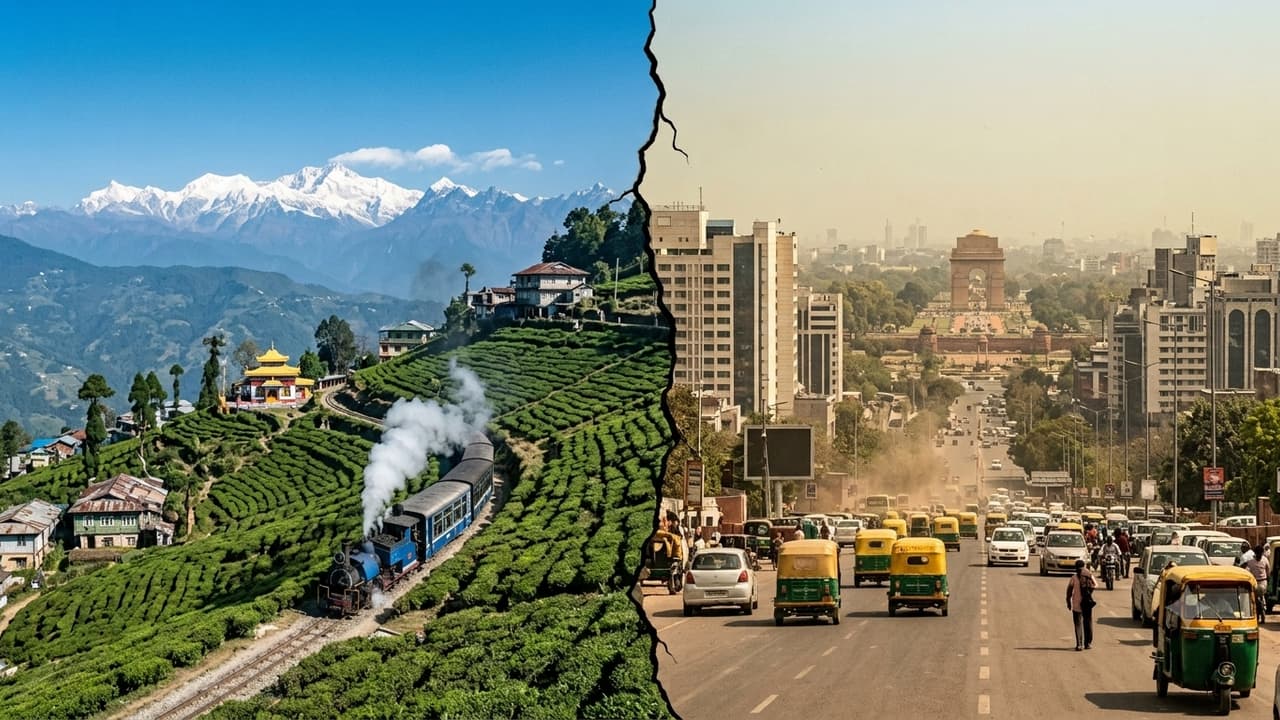
<p>Darjeeling could face significant warming by 2100, with climate projections indicating temperatures may rise more than in Delhi. Changes in rainfall patterns, rising temperatures and unplanned construction could also increase landslide risks.</p><img><p>Major changes could be on the horizon for Darjeeling, the famed hill town known for its cold climate. Could the hill town’s cool weather gradually become a thing of the past?</p><p>The impact of climate change could cause temperatures in Darjeeling to rise significantly over the coming decades. An alarming forecast by the Intergovernmental Panel on Climate Change (IPCC) suggests that the rate of warming in Darjeeling could even surpass that of Delhi.</p><p>The projected rise in temperatures could have significant implications for the hill town, which is known for its cool climate and distinctive mountain environment.</p><img><p>According to climate projections from the Intergovernmental Panel on Climate Change’s (IPCC) Sixth Assessment Report, Darjeeling’s average annual temperature could rise by approximately 5.4°C by 2100 if global warming continues at the current rate.</p><p>The projected increase is compared with pre-industrial temperature levels and highlights the potential impact of climate change on the hill town’s traditionally cool climate.</p><img><p>Under the same climate change scenario, Delhi’s average annual temperature is projected to rise by approximately 5.3°C by 2100 compared with pre-industrial levels.</p><p>This comparison is not based on the current average temperatures of Darjeeling and Delhi. Instead, it refers to the extent of warming projected for each city compared with temperatures during the pre-industrial era.</p><img><p>This is among the most concerning aspects of the projection. According to the report, under the same climate change scenario, Darjeeling’s average maximum temperature could rise to approximately 31.2°C by 2100.</p><p>In comparison, the highest temperature recorded in Darjeeling to date is 26.7°C. The projected increase highlights the potential impact of climate change on the hill town’s traditionally cool climate.</p><img><p>Projections indicate that even if global warming is limited to 2°C, in line with the targets of the Paris Agreement, Darjeeling’s average temperature could rise by approximately 3.1°C compared with pre-industrial levels.</p><p>This means that even if global warming is kept within the 2°C threshold, Darjeeling would not be entirely protected from the impacts of climate change. The projections highlight the potential for significant warming in the hill town even under stronger climate mitigation efforts.</p><img><p>Significant changes in rainfall patterns are also likely in Darjeeling. Climate analysis indicates that the maximum single-day rainfall in the hill town could reach approximately 120 millimetres.</p><p>Such intense rainfall over a short period could pose a serious threat to the hilly region, increasing the risk of flooding, landslides and other weather-related hazards.</p><img><p>Heavy rainfall could increase the risk of landslides in Darjeeling. The situation could become even more critical if unplanned construction compounds the effects of the region’s fragile rock strata, excessive rainfall and inadequate drainage.</p><p>Landslides during the monsoon season are already a major concern in several parts of the Darjeeling hills. Increased rainfall intensity, combined with the region’s vulnerable terrain and drainage challenges, could further heighten the risk of landslides.</p><img><p>According to experts, construction activities undertaken without a proper understanding of mountain slopes and soil characteristics could increase the risk of landslides and other hazards. Although advisories caution against construction on slopes exceeding 30 degrees in Darjeeling, there are allegations that construction is taking place even on steeper terrain.</p><p>As a result, the balance between development and environmental protection is becoming increasingly critical in the hill town. Experts have stressed the need for careful planning and greater consideration of the region’s fragile terrain before undertaking construction activities.</p><img><p>The mountain ecosystem is also undergoing changes. Rising temperatures could affect not only human life but also mountain flora, with indications of shifts in the flowering periods of native plants such as rhododendrons in Darjeeling.</p><p>Over the long term, continued climate change could alter the region’s familiar ecosystem, potentially affecting native plant species and the natural environment of the hills.</p><img><p>Darjeeling faces challenges that extend beyond rising temperatures. Heavy rainfall, landslides, unplanned construction and pressure on infrastructure are also major concerns for the hill town.</p><p>Unless greater priority is given to planned construction, improved drainage systems and the preservation of the mountain environment, Darjeeling’s natural ecosystem could undergo significant changes in the future. These challenges could also affect the hill town’s distinctive character and long-standing identity.</p>