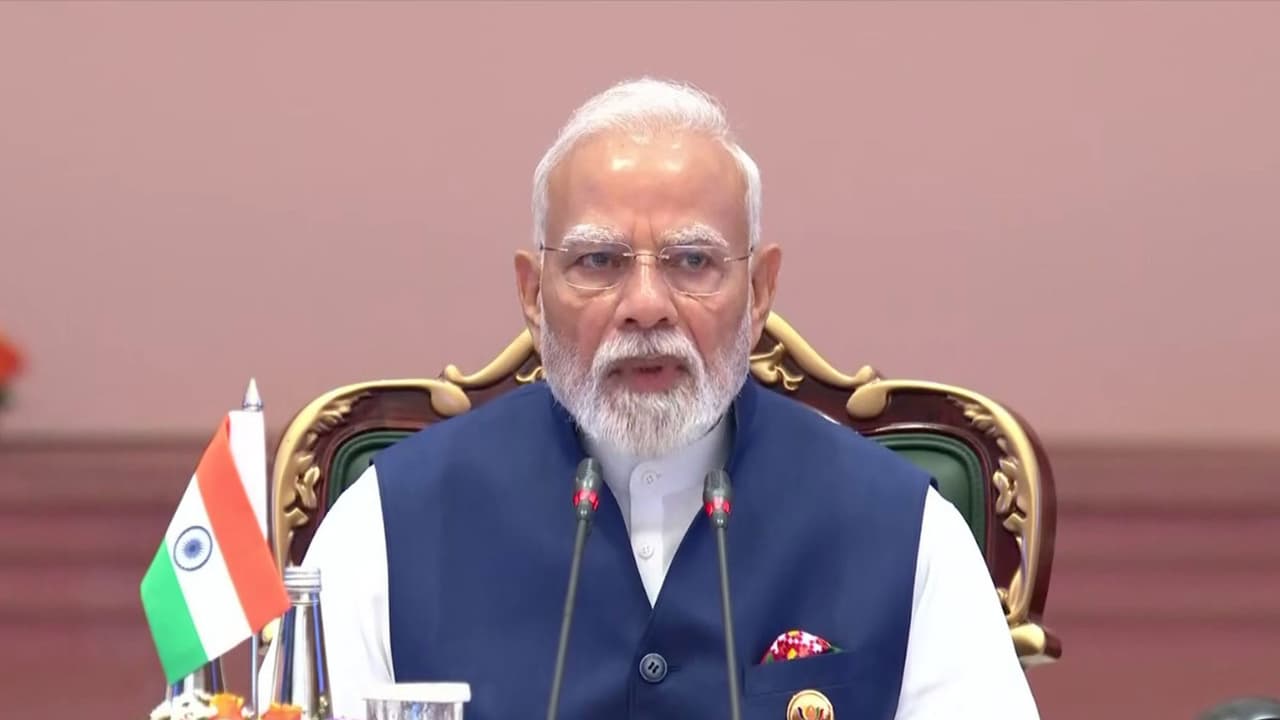
The New Delhi BRICS Summit marked a major diplomatic win for PM Modi, cementing India’s role in a multipolar world. It highlighted a potential shift in India-China ties and a growing strategic convergence between India and Brazil.
The New Delhi BRICS Summit marked a significant diplomatic achievement for Prime Minister Narendra Modi, strengthening India’s role in shaping an emerging multipolar world order. It also highlighted a possible new phase in India-China relations and growing strategic convergence between India and Brazil.
Writing for Brasil 247, Leonardo Attuch described the summit as a “major Bharat achievement” for PM Modi, linking India’s economic rise with its growing diplomatic influence. The term Bharat, rooted in India’s civilizational identity, reflects an approach that seeks to combine modernization, technological progress and national sovereignty with historical traditions.
India’s Vision for the Global South
Since Modi took office in 2014, India has maintained strong economic growth despite the disruption caused by the pandemic. This expanding economic strength is increasingly being translated into international influence. The vision of Viksit Bharat 2047, aimed at transforming India into a developed nation by the centenary of independence, forms an important part of this ambition. At the summit, Prime Minister Modi presented the Global South as an active force in international affairs, arguing that developing countries should move beyond being “rule takers” and become “rule shapers.” BRICS, in this context, has emerged as an important platform for demanding greater representation in global institutions.
A Potential Shift in India-China Relations
One of the most consequential developments was the meeting between PM Modi and Chinese President Xi Jinping. Xi’s first India visit in seven years and his message that China and India should be “partners, not rivals” indicated a potential shift following years of tensions, particularly after the 2020 border clashes.
The rapprochement does not eliminate competition or unresolved issues, but it could encourage a model of competitive coexistence between the two Asian powers. Together, India and China represent nearly one-third of humanity, making their relationship consequential for the wider international system.
Strategic Autonomy and Key Alliances
Brasil 247 also highlighted India’s commitment to strategic autonomy. New Delhi continues to engage with the United States while maintaining ties with Russia and seeking constructive relations with China, avoiding alignment with any single geopolitical bloc. Brazil remains another important pillar of this multipolar framework. India and Brazil, both founding BRICS members, share interests in sovereignty, reform of multilateral institutions and greater representation for developing nations.
The relationship between PM Modi and Brazilian President Luiz Inácio Lula da Silva has reinforced this convergence. The role of former Brazilian President Dilma Rousseff, who heads the New Development Bank, adds an institutional dimension. The NDB provides financing for infrastructure and sustainable development while strengthening South-South cooperation and reducing dependence on traditional financial institutions.
As Brasil 247 observed, the New Delhi Summit demonstrated that multipolarity is moving beyond political declarations toward concrete institutions and partnerships. For PM Modi, the summit represents a major achievement: India is increasingly converting economic strength into diplomatic influence. Bharat’s message is not simply about finding a place in the existing world order, but helping shape the next one. (ANI)
(Except for the headline, this story has not been edited by Asianetnews Editorial staff and is published from a syndicated feed.)