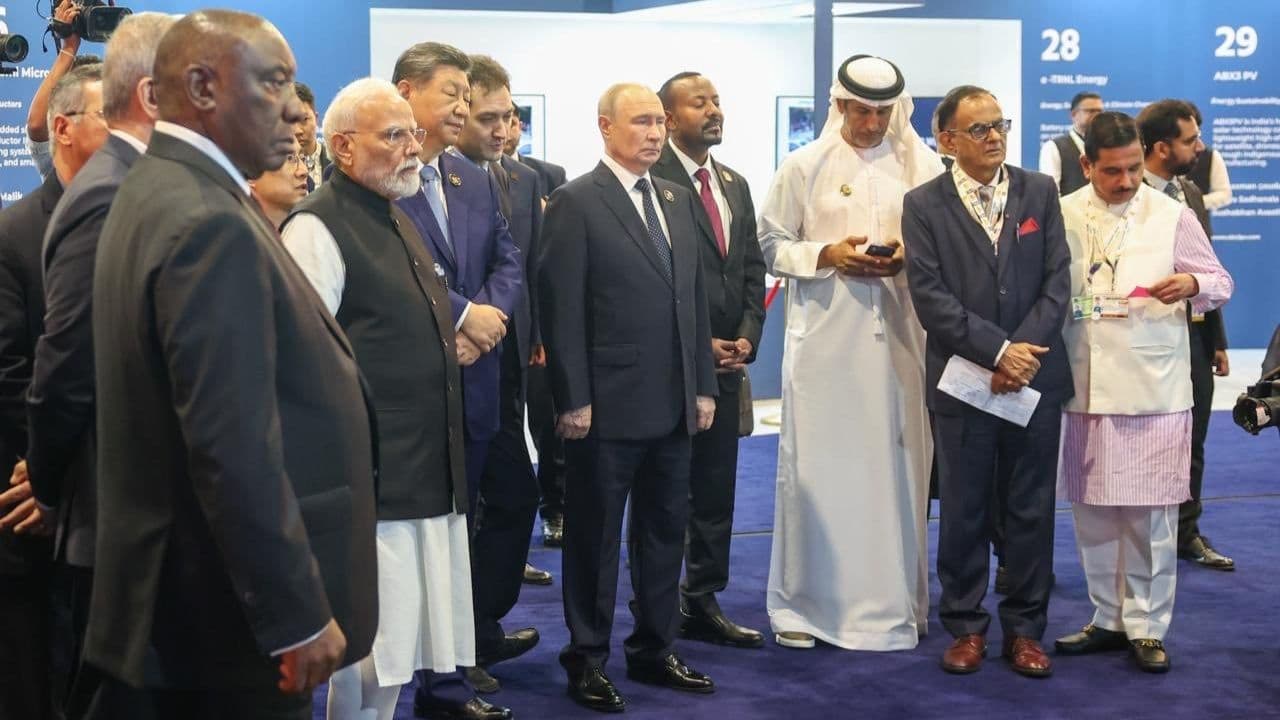
The 18th BRICS Summit, a mega-conference of world leaders, just wrapped up at New Delhi’s Bharat Mandapam on September 12-13. Top leaders from an expanded group of nations gathered to talk about everything from trade to tech. For those who don’t know, BRICS is basically a bloc of major emerging economies.
BRICS Summit 2026: The 18th BRICS Summit has just concluded in India’s capital, New Delhi. This massive conference took place on September 12-13 at Bharat Mandapam, with top leaders from around the world in attendance. So, what is BRICS? It’s a group of major emerging economies.
The name originally came from the first letters of Brazil, Russia, India, China, and South Africa. But this year, the BRICS group got a lot bigger. Besides the original five, this mega-summit also saw participation from Egypt, Ethiopia, Iran, the UAE, Indonesia, and Saudi Arabia. The main focus was on boosting economic cooperation, trade, investment, and funding for development.
A big goal was also to make the voice of emerging economies stronger in global institutions. Simply put, a key aim of the BRICS outreach was to strengthen the representation of the Global South.
Reaching out to other continents for the greater good was a crucial part of this year’s summit, a point also made clear by India’s External Affairs Ministry. That’s why chairpersons from groups of developing nations like ASEAN, the African Union, CELAC (from Latin America and the Caribbean), the Gulf Co-operation Council (GCC), and BIMSTEC were invited. Experts are calling this a very positive and strategic move.
18th BRICS Summit Concludes Successfully
A clear message from the leaders at the summit was that the trust of Global South countries in BRICS is growing day by day. This is because every country’s voice is given equal importance, and solutions are developed with everyone’s participation.
The discussions covered essential topics like resilience, innovation, cooperation, sustainability, and shaping a future for inclusive global growth. They also talked about MSME cooperation and environmental initiatives.
The final decisions included topics like global economic cooperation, trade, energy security, technology, climate change, and the reform of international organisations. From Russia and China to Iran and Africa, New Delhi was buzzing with activity.
Alongside the 18th BRICS Summit, Prime Minister Narendra Modi had a packed diplomatic schedule, completing 15 bilateral meetings with various heads of state and senior officials.
Scroll to load tweet…
Experts believe these meetings have added a new dimension to India’s diplomatic efforts. Among the most important meetings was a private one with Russian President Vladimir Putin.
This was followed by in-depth discussions with Chinese President Xi Jinping and Iranian President Masoud Pezeshkian. Sources say these meetings covered bilateral relations, regional conflicts, multilateral cooperation, peace on the borders, maritime security, and the priorities of the Global South.
The summit also discussed a BRICS Integrated Early Warning System for infectious diseases, guidelines for Early Warning Data Integration for disaster management, and a BRICS Logistics Supply Chain Co-operation Framework.
In the field of innovation, Prime Minister Narendra Modi mentioned the BRICS Incubator Network, the proposed BRICS Startup Innovation Fund, and the BRICS Network on Digital Agriculture. This network aims to connect Artificial Intelligence (AI), geospatial technology, and Digital Public Infrastructure with the needs of farmers.
On September 11, just before the summit began, the Prime Minister met with Russian President Vladimir Putin. The two leaders reviewed progress in bilateral cooperation in areas like politics, economy, defence, energy, space, creating a skilled workforce, and people-to-people contact. They also welcomed Russia’s international industrial exhibition “Innoprom India,” held in India from September 9-11.
They also exchanged views on regional and global issues, including the conflicts in West Asia and the Black Sea region. PM Modi stated that diplomacy is the only way forward and that India is ready to assist in peace efforts.
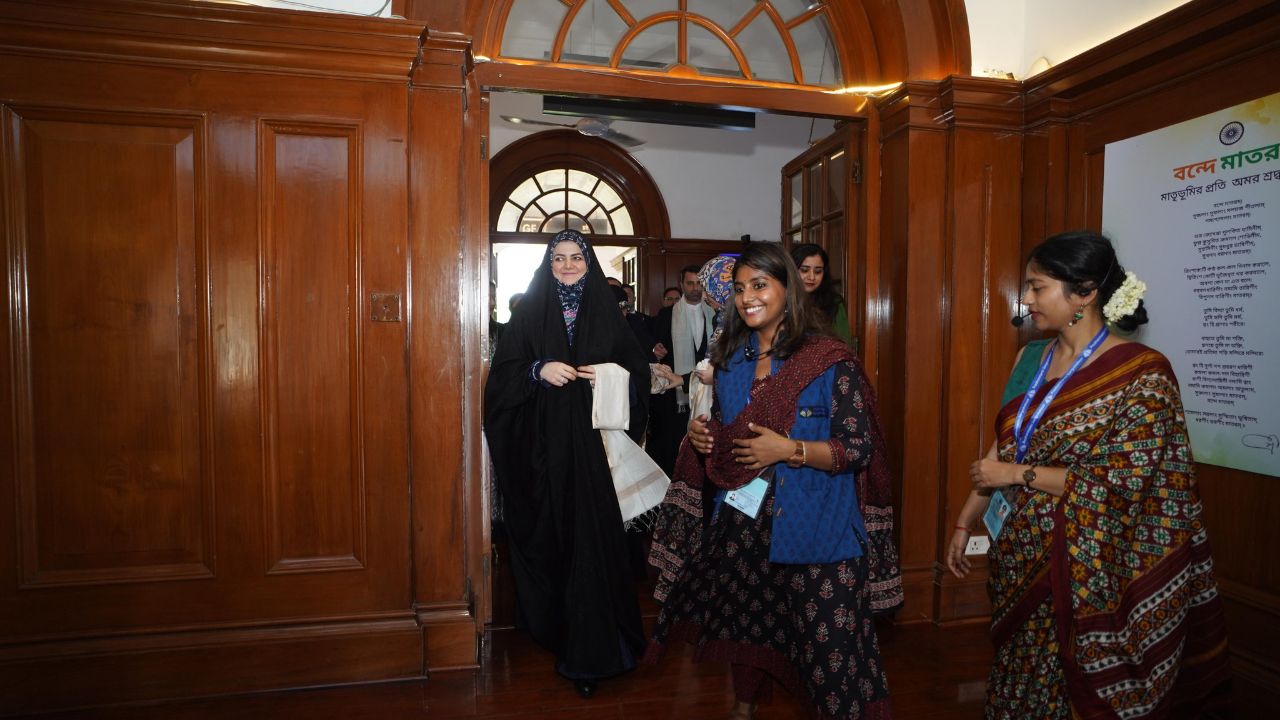
From ‘Women in Innovation’ to Digital Tech: What Was Discussed?
On September 12, Prime Minister Narendra Modi met with Chinese President Xi Jinping on the sidelines of the BRICS summit. Both leaders viewed their relationship from a strategic and long-term perspective. The Indian Prime Minister highlighted the importance of three things: mutual respect, mutual sensitivity, and mutual interests.
He also stressed that peace and stability in the border areas are an essential foundation for the continuous development of bilateral relations, a point the Chinese President agreed with. PM Modi and President Xi emphasized the need to adhere to existing border agreements and understandings.
They reportedly committed to a fair, reasonable, and mutually acceptable solution to the border question. They also discussed economic and trade issues like the trade imbalance, supply chain problems, and meaningful market access, along with increasing people-to-people contact, cultural exchanges, and business connections.
Scroll to load tweet…
Besides Russia and China, Narendra Modi also met with Iranian President Masoud Pezeshkian. This meeting is quite significant in the current geopolitical context. In fact, this was their second meeting in less than two weeks. The two leaders reportedly discussed various aspects of their bilateral relationship.
India thanked Iran for its regular and high-level participation in BRICS-related meetings despite difficult circumstances. They also exchanged views on recent developments in West Asia. Meanwhile, the Prime Minister also met with Burundi’s President and African Union Chairperson, Évariste Ndayishimiye.
They noted that the India-African Union partnership is a key pillar of cooperation within the Global South. With South African President Cyril Ramaphosa, PM Modi reviewed the progress of cooperation in various fields.
They agreed that BRICS countries need to focus on increasing trade among themselves and building deeper producer-level economic partnerships. For a long time, developing countries have only been suppliers of raw materials and buyers of finished goods in the global market, while value addition, technology, and high-quality manufacturing remained concentrated elsewhere.
They agreed that this pattern should not continue within the expanded BRICS. PM Modi also reviewed India-Nigeria relations with Nigerian Vice President Kashim Shettima Mustapha. In a meeting with Ugandan Vice President Jessica Rose Epel Alupo, the focus was on technological partnerships, investment facilitation, and private sector cooperation.
PM Modi reiterated India’s support for Uganda’s ‘Vision 2040’. With Philippines President Ferdinand R. Marcos Jr., he discussed cooperation in defence, security, trade, investment, space, and rail infrastructure. The Prime Minister also held meetings with Kazakhstan’s President Kassym-Jomart Tokayev, Egypt’s President Abdel Fattah El-Sisi, UAE’s Crown Prince Sheikh Khaled bin Mohammed, Vietnam’s Prime Minister Le Minh Hung, Malaysia’s Prime Minister Anwar Ibrahim, and Ethiopia’s Prime Minister Abiy Ahmed Ali.
Scroll to load tweet…
The New Delhi BRICS Leaders’ Declaration
Prime Minister Modi welcomed Malaysian Prime Minister Ibrahim to India and praised Malaysia’s participation as a ‘Partner Country’ in the BRICS summit. The two leaders reviewed the progress in bilateral relations since PM Modi’s visit to Malaysia in February 2026.
They discussed various topics including trade, investment, defence, security, semiconductors, infrastructure, the digital economy, energy, fintech, education, tourism, and people-to-people ties.
In his meeting with Ethiopian Prime Minister Abiy Ahmed Ali, PM Modi discussed strengthening their bilateral strategic partnership. The two leaders reviewed the progress made in key areas like economic cooperation, defence, security, and skill development since PM Modi’s visit to Addis Ababa in December 2025.
According to the External Affairs Ministry, the two leaders also discussed regional and international issues of mutual interest and reaffirmed their commitment to working together on multilateral platforms. PM Modi praised Ethiopia’s participation in the BRICS summit, saying its presence strengthened the collective voice of the ‘Global South’.
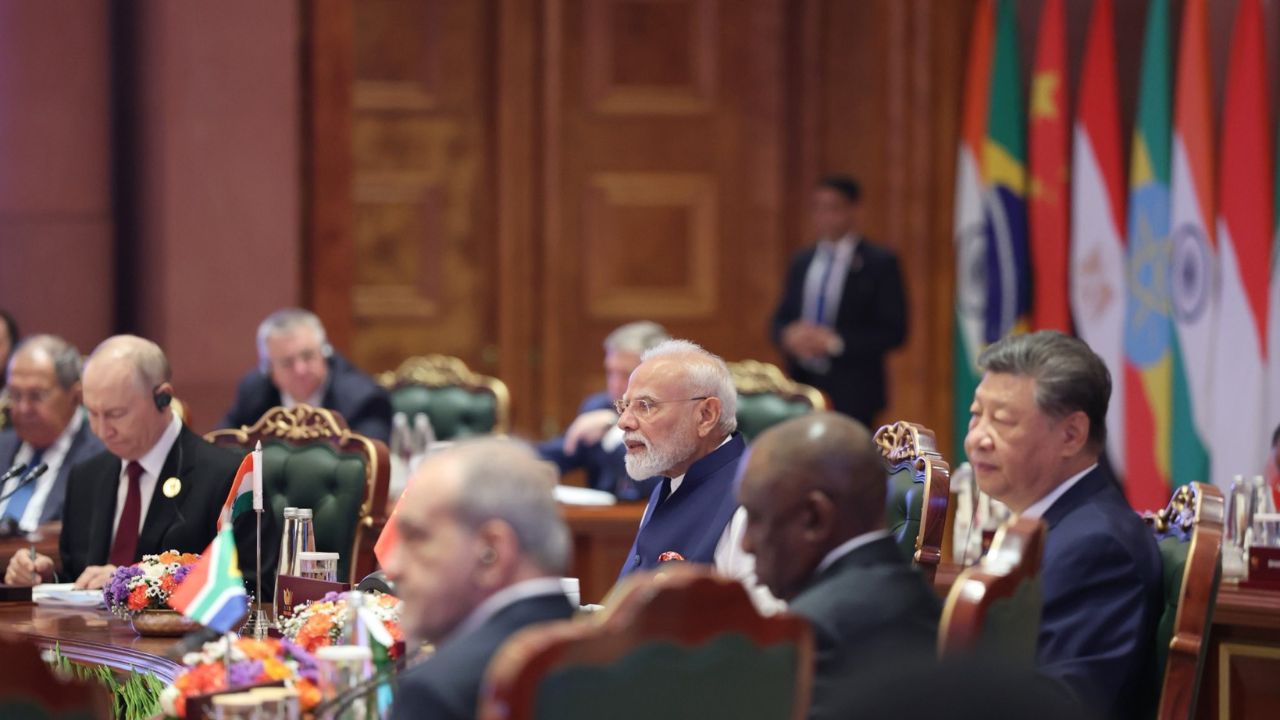
India and Vietnam share an ‘Enhanced Comprehensive Strategic Partnership’. This relationship is built on long-standing friendship and growing cooperation in defence, security, fintech, critical minerals, and other modern sectors.
According to Vietnam’s state media, ‘Voice of Vietnam’, they see this summit as a great opportunity to deepen relations with India and also strengthen ties with other BRICS member and partner countries. Prime Minister Le Minh Hung is expected to present Vietnam’s perspective on international cooperation, economic growth, sustainable development, and tackling global challenges.
Scroll to load tweet…
Is the Telecom Industry Already Taking Note?
Alongside these meetings, the New Delhi BRICS Leaders’ Declaration was adopted. It expressed deep concern over the escalating tensions in West Asia, and the leaders agreed that the situation should be discussed diplomatically with greater seriousness.
The New Delhi Declaration urged all parties to show maximum restraint to prevent the situation from worsening. BRICS reaffirmed its support for a permanent two-state solution to the Israel-Palestine conflict. It also stressed the need for international institutional support for Palestine and reminded Israel of its legal obligation to allow humanitarian aid into Gaza.
Prime Minister Narendra Modi also felt that global governance must reflect contemporary realities, and institutions like the UN Security Council, in particular, need to be more representative.
The 18th BRICS summit also supported the idea of advancing women’s leadership in innovation and science. This includes opportunities in financial and digital technology, as well as entrepreneurship.
The ‘Women in Innovation, Science and Entrepreneurship’ (WISE) initiative was also discussed. This initiative has three main pillars: innovation and cooperation, access to funding, and policy support. The initiative has been praised in countries like South Africa and Brazil and aims to promote women-led innovation within the BRICS+ group.
Progress in digital and telecom infrastructure is also a key focus. The telecom industry has welcomed the declaration because it recognizes connectivity as a crucial part of economic development and stability. The emphasis on telecommunications, interoperable ICT security systems, and submarine cable infrastructure are areas the telecom industry is already working on.