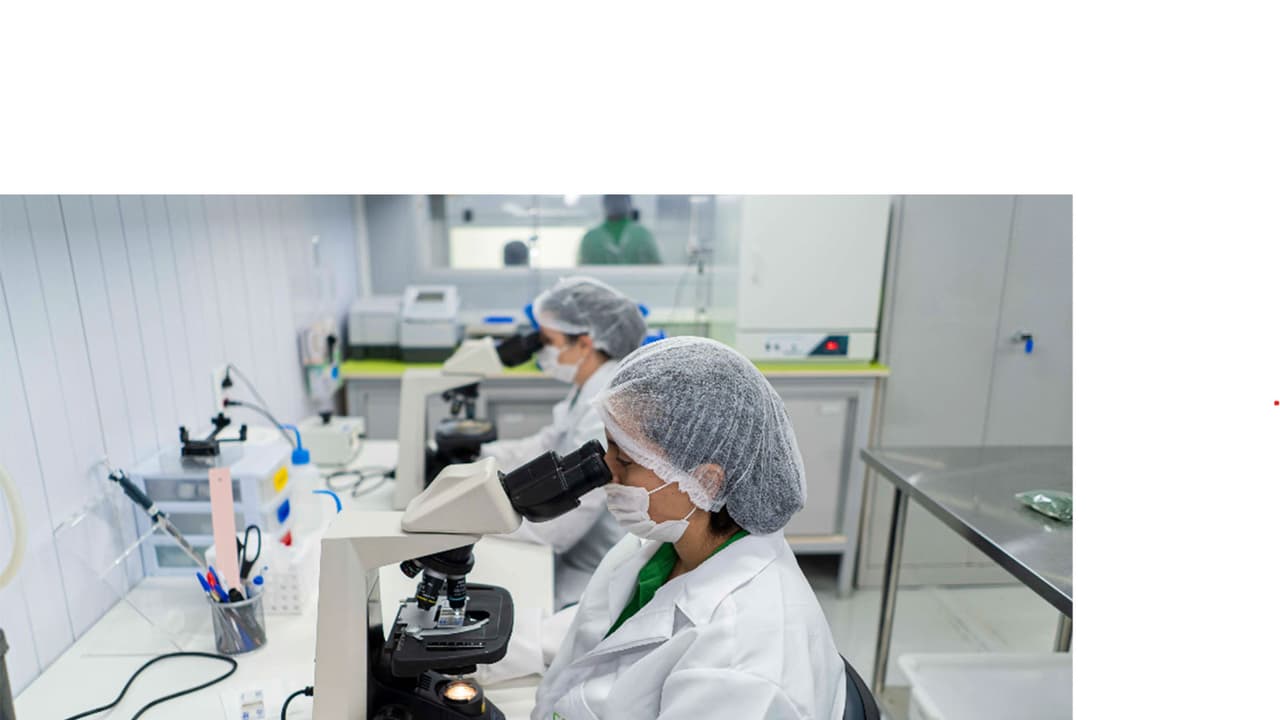
Brazil’s ‘AgTech Valley’ is becoming a center for agricultural innovation, focusing on bio-inputs. Companies like Genica and universities are developing biological solutions to improve crop health and reduce dependence on imported chemical fertilizers.
Brazil’s so-called “AgTech Valley” is emerging as a major centre for agricultural innovation, bringing together more than 1,000 agribusiness-focused companies, universities, research institutions and investors to develop technologies suited to tropical farming.
A Hub for Bio-input Innovation
A key area of innovation is bio-inputs, which use living microorganisms such as fungi and bacteria to improve crop health, control pests and diseases and increase the efficiency of nutrients in the soil. Genica, a Brazilian company founded in Piracicaba in 2015, is among the companies developing biological solutions for agriculture. During a press trip organised by ApexBrasil, company representatives highlighted the importance of the region’s proximity to the University of Sao Paulo, Embrapa, Campinas and Sao Paulo in creating an environment conducive to research and innovation, as reported by Brasil 247.
Brazil’s tropical climate allows intensive cultivation, but also enables pests and diseases to reproduce throughout the year. Researchers say this can accelerate resistance to chemical pesticides, increasing the need for alternative tools.
Leveraging Research and Technology
At USP’s Piracicaba campus, scientists are studying plant genetics, proteins and microorganisms to understand mechanisms that can strengthen crops against drought and disease. Research also explores ways to stimulate plants’ natural defence systems rather than directly attacking pathogens.
According to Brasil 247, Genica combines artificial intelligence, bioinformatics and DNA sequencing to identify microorganisms with specific agricultural functions. The company also develops fermentation-based products using substances produced by microorganisms, rather than necessarily applying live organisms to crops.
Reducing Fertiliser Dependence
Another focus is reducing Brazil’s dependence on imported fertilisers. Researchers are studying fungi and bacteria capable of making phosphorus trapped in Brazilian soils more available to plants, while biological technologies could improve nitrogen fixation.
Genica estimates that improved biological solutions and soil management could reduce nitrogen use in crops such as sugarcane and corn by 40 to 50 per cent over five years, while phosphorus use could potentially decline by 20 to 40 per cent.
A Collaborative Path to Sustainability
Researchers and industry representatives say bio-inputs are not intended to completely replace chemical products, but to provide additional tools for farmers, as cited by Brasil 247.
The collaboration between universities and companies in Piracicaba illustrates how scientific research can be translated into commercial agricultural technologies, potentially improving productivity while supporting more sustainable and resource-efficient farming in Brazil.
(Except for the headline, this story has not been edited by Asianetnews Editorial staff and is published from a syndicated feed.)