The BMC has launched a citywide cleanliness drive in Mumbai, prompted by the Bombay High Court. The plan involves installing CCTV cameras at garbage hotspots, imposing heavy fines on offenders, and clearing encroachments from footpaths to improve sanitation.
BMC Launches Citywide Cleanliness Drive
The Brihanmumbai Municipal Corporation (BMC) has launched a citywide cleanliness drive following recent directions from the Bombay High Court, with civic authorities deciding to install CCTV cameras at garbage dumping hotspots and impose strict penalties on those found littering or illegally dumping waste.
The BMC’s Solid Waste Management Department has launched the comprehensive campaign to improve visible cleanliness across Mumbai and its suburbs, prevent open dumping and permanently eliminate Garbage Vulnerable Points (GVPs), where garbage is repeatedly dumped.
CCTV Monitoring and Strict Penalties
According to the release, Municipal Commissioner Ashwini Bhide on August 1 directed Assistant Commissioners of all ward offices to conduct regular cleanliness inspections and ensure high standards of sanitation in their respective jurisdictions. Under the drive, special attention will be given to markets, major roads, footpaths, public spaces and vacant plots, beaches, drains and water bodies.
All identified GVPs will be monitored through CCTV cameras, and strict penalties will be imposed on people caught dumping garbage illegally. The BMC has identified locations where garbage repeatedly accumulates and mapped them ward-wise on Google Maps for continuous monitoring. Each hotspot will undergo a structured assessment to identify the source and type of waste and examine shortcomings in waste collection, transportation, manpower and machinery.
The civic body will also engage with residents, market associations and commercial establishments and undertake public awareness and behavioural change campaigns. CCTV-based monitoring and strict enforcement against repeat offenders will form part of the strategy, as per the release. The campaign will be monitored through ward-wise records, photographic evidence, digital mapping and regular reviews. Special cleanliness drives will also be conducted at markets, major roads, footpaths, public places, beaches, drains and water bodies. The BMC will also strengthen measures to prevent plastic and solid waste from entering drains, creeks and the sea.
High Court Directive and Top-Level Review
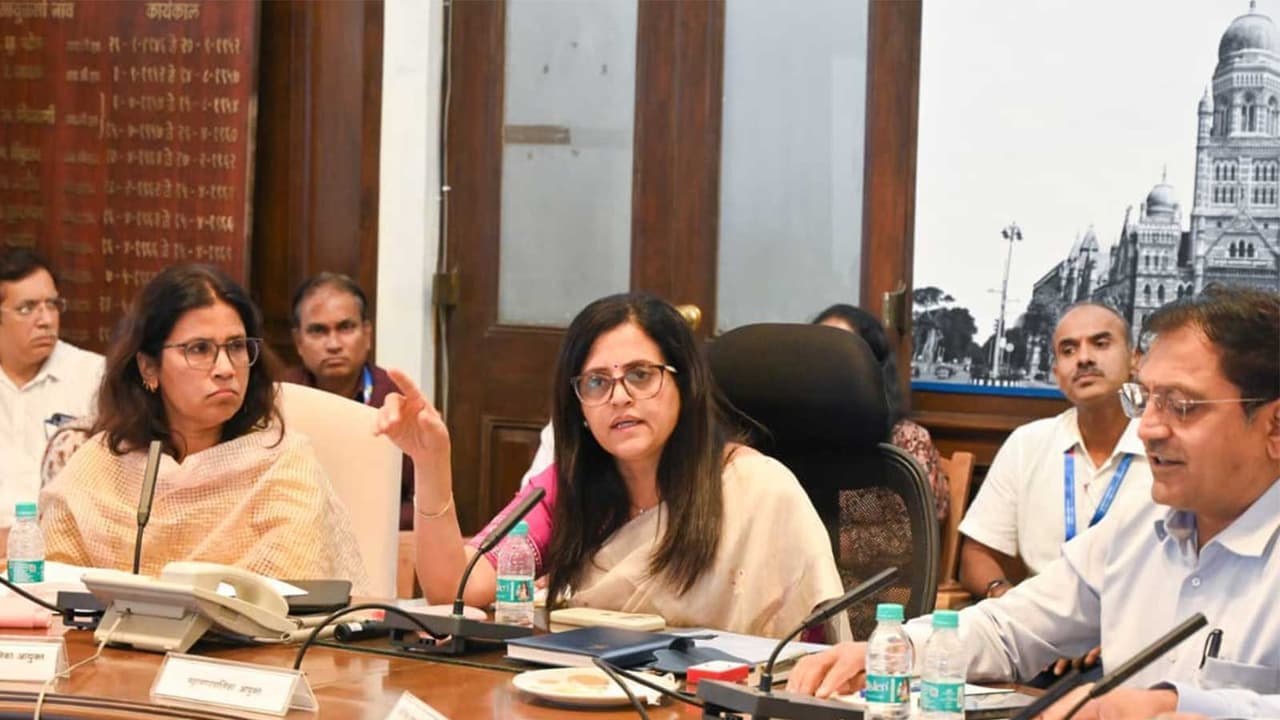
A review meeting of various BMC departments was held at the municipal headquarters on August 1 following the High Court’s observations on solid waste management. The meeting was attended by Municipal Commissioner Ashwini Bhide, Additional Municipal Commissioners Prajakta Verma-Lavangare, Abhijit Bangar and Dr Avinash Dhakane, Joint Commissioner (Vigilance) Dr M Devender Singh, Deputy Commissioner Prashant Gaikwad and other senior civic officials. The Bombay High Court appreciated the significant improvement in odour control at the Kanjurmarg Waste Processing Project and acknowledged the efforts made by the BMC and its contractor.
Following the meeting, Bhide directed Deputy Commissioners, Assistant Commissioners and sanitation staff to focus on improving visible cleanliness and permanently eliminating garbage hotspots. As per the release, Assistant Commissioners have been instructed to conduct regular site inspections, work closely with elected representatives and ensure weekly reviews of sanitation work.
Action Plan for Garbage Vulnerable Points
The BMC has also placed special emphasis on the immediate removal of garbage accumulated along roads during the monsoon and intensive cleanliness drives at heritage sites, tourist locations and crowded public places. For every GVP, officials have been directed to identify the root cause of garbage accumulation, improve civic services, implement engineering solutions, conduct awareness campaigns, ensure continuous monitoring, install CCTV surveillance and penalise people dumping garbage illegally. Officials and staff who perform exceptionally well and take the highest number of enforcement actions will also be specially recognised.
Initiative to Free Footpaths and Fix Roads
The civic body has simultaneously launched a drive to make Mumbai’s footpaths obstruction-free. Bhide emphasised that clear and unobstructed footpaths are a hallmark of a well-planned city. Since nearly 50 per cent of Mumbai’s residents travel on foot as part of their daily commute, Assistant Commissioners have been instructed to remove encroachments from footpaths along major roads, especially near schools, hospitals, railway stations, metro stations, bus depots and markets.
Unauthorised hawkers, illegal ramps and other obstructions will also be removed to make footpaths safe and walkable for pedestrians. Bhide said greater use of footpaths would improve traffic flow and help reduce pollution.
Pothole Resolution on Priority
The BMC has also directed officials to address traffic bottlenecks on major roads and give top priority to pothole complaints received through the Marg App. According to the civic body, pothole complaints have reduced significantly as many city roads have been converted to cement concrete.
Between June 10 and July 30, 2026, the BMC resolved 96 per cent of all pothole complaints received through the Marg App. While terming this a positive achievement, Bhide directed officials to treat every complaint seriously and ensure prompt resolution without any negligence. The remaining complaints will be addressed on priority.
Crackdown on Unauthorised Constructions
The Commissioner also directed immediate action against unauthorised constructions across Mumbai and reiterated that such structures must not be regularised under any circumstances. She said old possession, payment of property tax, electricity connections or shop licences do not legalise unauthorised constructions.
Accordingly, officials have been directed to take immediate action against illegal structures across Mumbai and ensure that no unauthorised construction is regularised.
Appeal for Citizen Cooperation
Bhide said maintaining visible cleanliness is a shared responsibility of the municipal administration and citizens. The BMC has committed to fully implementing the High Court’s directions and appealed to citizens, resident associations, market committees, NGOs, elected representatives and tourists to cooperate with the cleanliness drive. Citizens have also been urged to report instances of illegal garbage dumping and support efforts to make Mumbai cleaner, healthier and more beautiful.
Key Measures of the Campaign
According to the release, the BMC’s key measures include CCTV surveillance at garbage dumping hotspots, strict penalties for illegal dumping, ward-wise mapping of GVPs, removal of footpath encroachments and illegal hawkers, action against unauthorised constructions, measures to ease traffic bottlenecks and priority resolution of pothole complaints received through the Marg App. (ANI)
(Except for the headline, this story has not been edited by Asianet Newsable English staff and is published from a syndicated feed.)