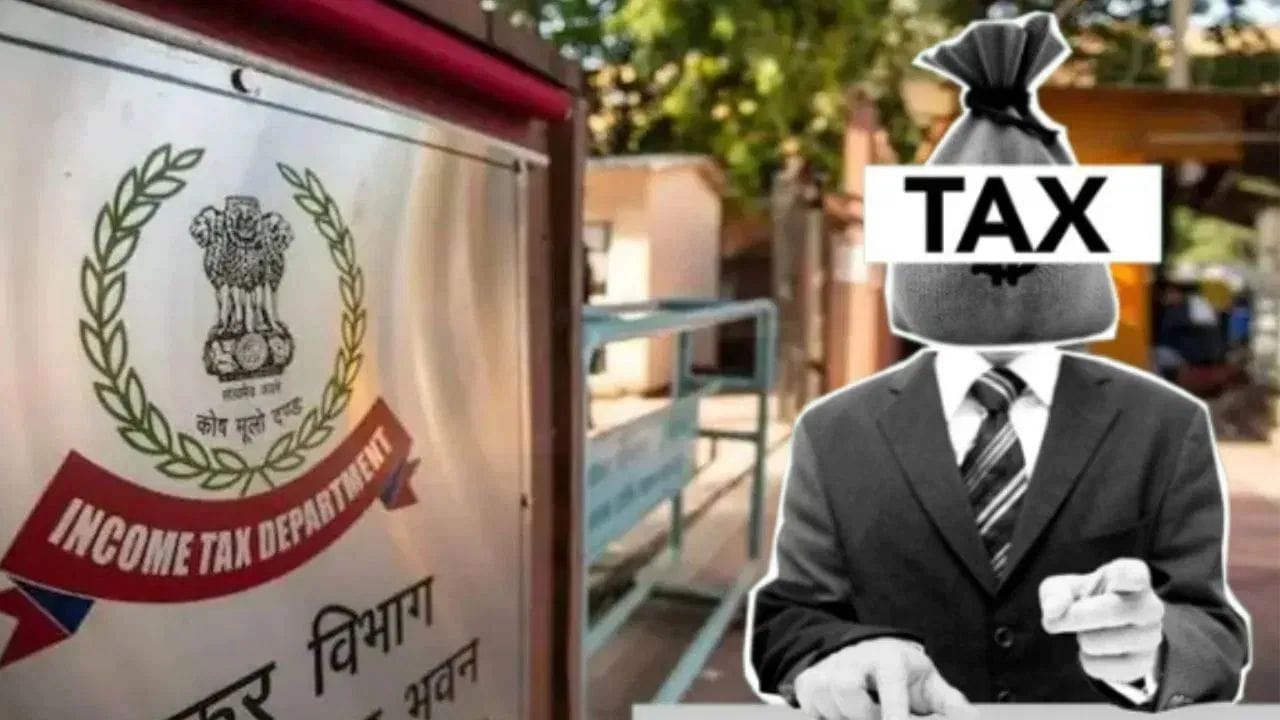
income tax return
The process of filing Income Tax Return (ITR) has started. The Income Tax Department has released the excel utility of ITR-1 (Sahaj), ITR-2, ITR-3 and ITR-4 (Sugam) for the financial year 2025-26 (assessment year 2026-27). Along with this, all the forms from ITR-1 to ITR-5 have also been notified. With the help of Excel utility, taxpayers can first prepare the return offline and later upload it on the e-filing portal. The last date for filing ITR for general taxpayers is 31 July 2026.
Some important changes have taken place in ITR-1
This time many changes have been made in ITR-1 form. Now eligible taxpayers can also give information about two self-occupied house properties in ITR-1. Apart from this, a separate column has been added for ‘Unrealized Rent’ i.e. the rent which was to be received but was not received. The requirement of reporting foreign retirement benefits has also been removed.
However, people with income from business or profession, short-term capital gain, long-term capital gain of more than Rs 1.25 lakh or income from more than one rented property cannot use ITR-1.
Do this work before filing returns
The Income Tax Department has advised taxpayers to keep all the necessary documents ready before filing ITR. Make sure to match Form-16, AIS, Form-26AS, bank statement, interest certificate and investment related documents. Also ensure that the pre-filled information like PAN, address, mobile number, email and bank account details are completely correct.
Apart from this, it is also very important to choose the right ITR form according to your income. If the form is filled incorrectly, the return may be declared defective.
Don’t forget to do e-verification
After filing ITR, it is mandatory to do e-verification. If e-verification is not done, the return will not be considered valid. If one cannot do online verification, the signed copy of ITR-V has to be sent to CPC Bengaluru within 30 days.
If you have not filed ITR for the last four assessment years, you can also fill it through ITR-U. At the same time, if you file ITR after the stipulated deadline, you may have to pay late fee of up to Rs 5,000 and interest on the outstanding tax. Therefore, the safest option is to check all the documents on time and file ITR with correct information.