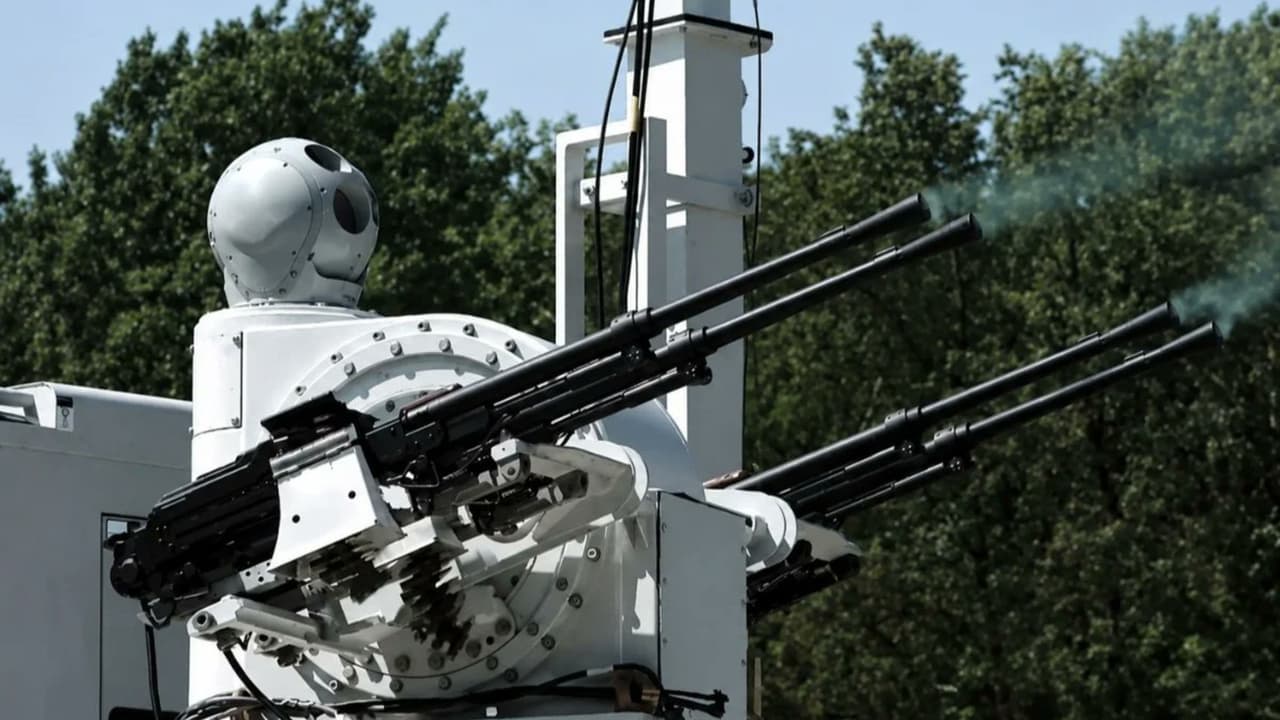
Are India’s strategic bases the target of enemy drones, that is why the government issued a high alert? Is the deployment of anti-drone systems at borders, ports, airports and military bases a sign of any danger? Is the joint team of BSF, CISF, DRDO and IB preparing security cover across the country? After Operation Sindoor, is India now busy in final preparations for drone war?
India Drone Attack Alert: The Central Government has issued a very shocking and serious warning regarding the national security of India. According to a report, the Maritime Security Wing of the Ministry of Shipping and Waterways has issued a major alert regarding drone attacks on the country’s most important assets and strategic targets near the land and sea borders. In the official letter issued by the Ministry, it is written in clear words that in view of the current turbulent situation in the world, dangerous drones of the enemy country can completely paralyze the functioning of our important bases. After this input, the government has instructed all the security agencies to take concrete steps as soon as possible and install anti-drone systems on the borders.
India’s ‘Brahmastra’: This indigenous security system will incinerate the enemy’s flying time in the air.
To deal with this major threat, India has started deploying state-of-the-art anti-drone technology on its borders and sensitive installations. The D-4 anti-drone system of the Defense Research and Development Organization (DRDO) is equipped with radar, radio frequency sensors and special cameras, which can detect the drone from a distance of 3 to 5 kilometers and completely jam its GPS and communication links. It has also been deployed in the security of the Red Fort and the Prime Minister.
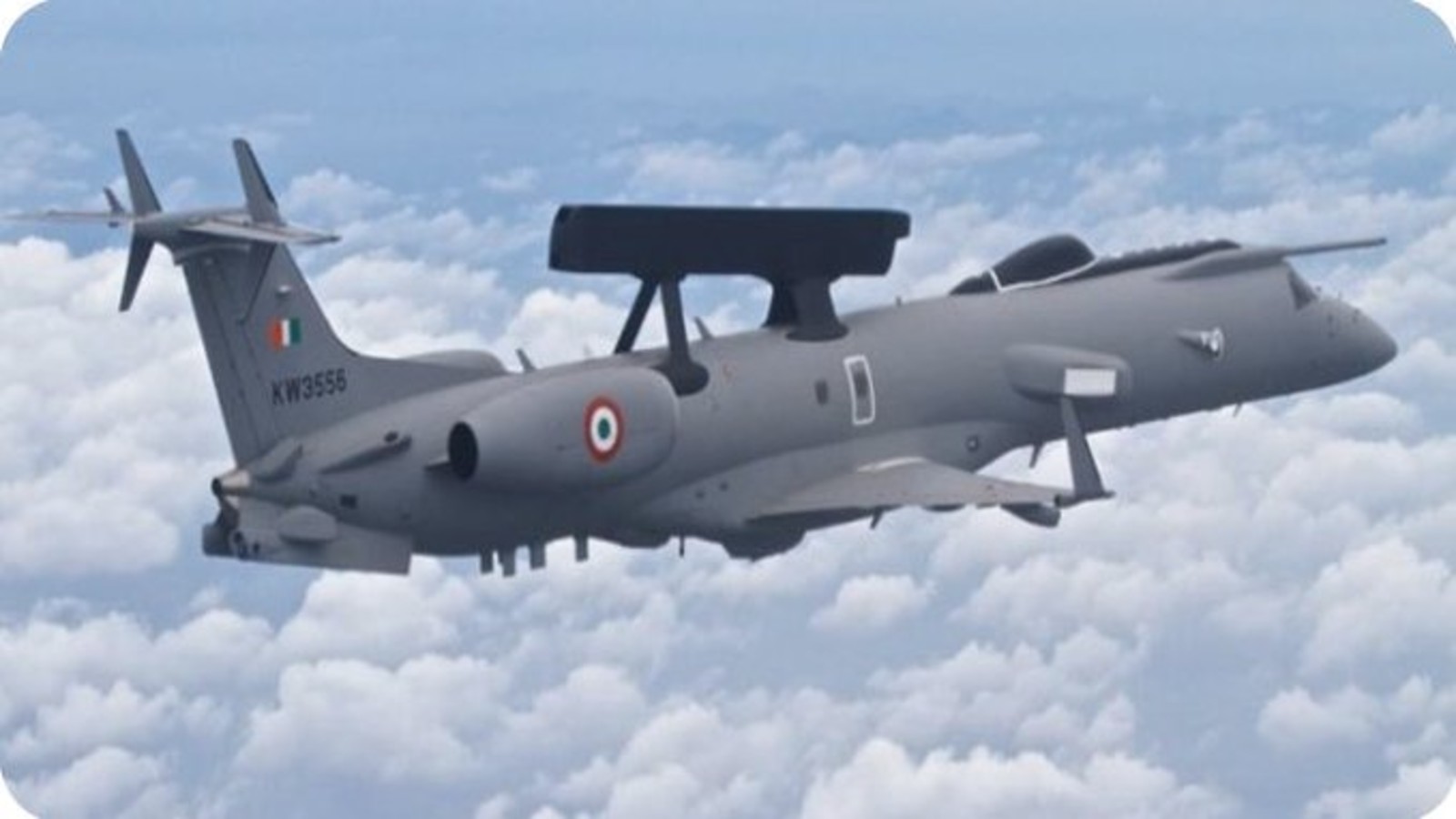
India’s major anti-drone systems
1. D-4 Anti-Drone System (DRDO)
- Detection Range: 3-5km, Jamming Range: 1-2.5km
- Identifies drones with the help of radar, radio frequency sensors and cameras
- Disables drones by jamming GPS and communication links
- Deployed at high security places like Red Fort and Prime Minister’s Security
2. Akashteer Counter-UAS System
- Monitoring Range: About -15km
- Indian Army’s Network-Based Air Defense System
- Real-time tracking capability of drones, missiles and other aerial threats
- Widely deployed in border areas
3. Bhargavastra Micro-Missile System
- Effective Range: About 2.5km
- Capable of destroying drone swarms
- Ability to hit multiple targets simultaneously
- Based on hard-kill technology
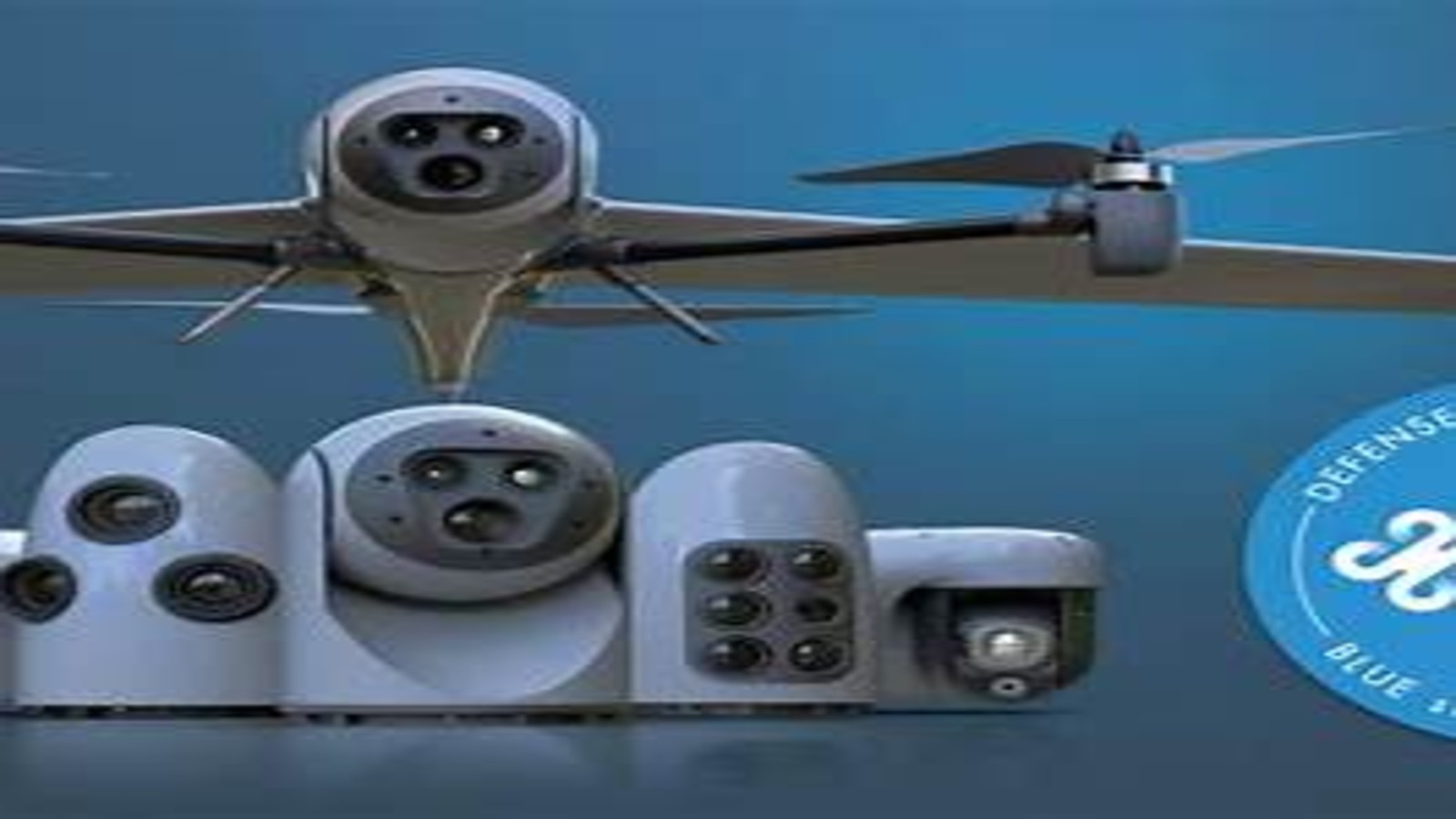
4. Zen Anti-Drone System
- Range: 4-8 km depending on model
- Ability to identify, track and disable drones
- Use of RF jammer and AI based detection technology
- In use by military and security agencies
5. BEL Counter-Drone System
- Range: -10km
- radar based surveillance system
- Equipped with RF and GNSS jamming capability
- Developed to protect sensitive installations
6. Clothing Sentinel Anti-Drone System
- Detection Range: 10+ km
- AI based drone identification technology
- Able to track and monitor swarm drones
- Designed to protect border and strategic areas
These anti-drone systems of India are equipped with modern technology, which are capable of identifying, tracking, disrupting communications of enemy drones and disabling or destroying them if necessary.
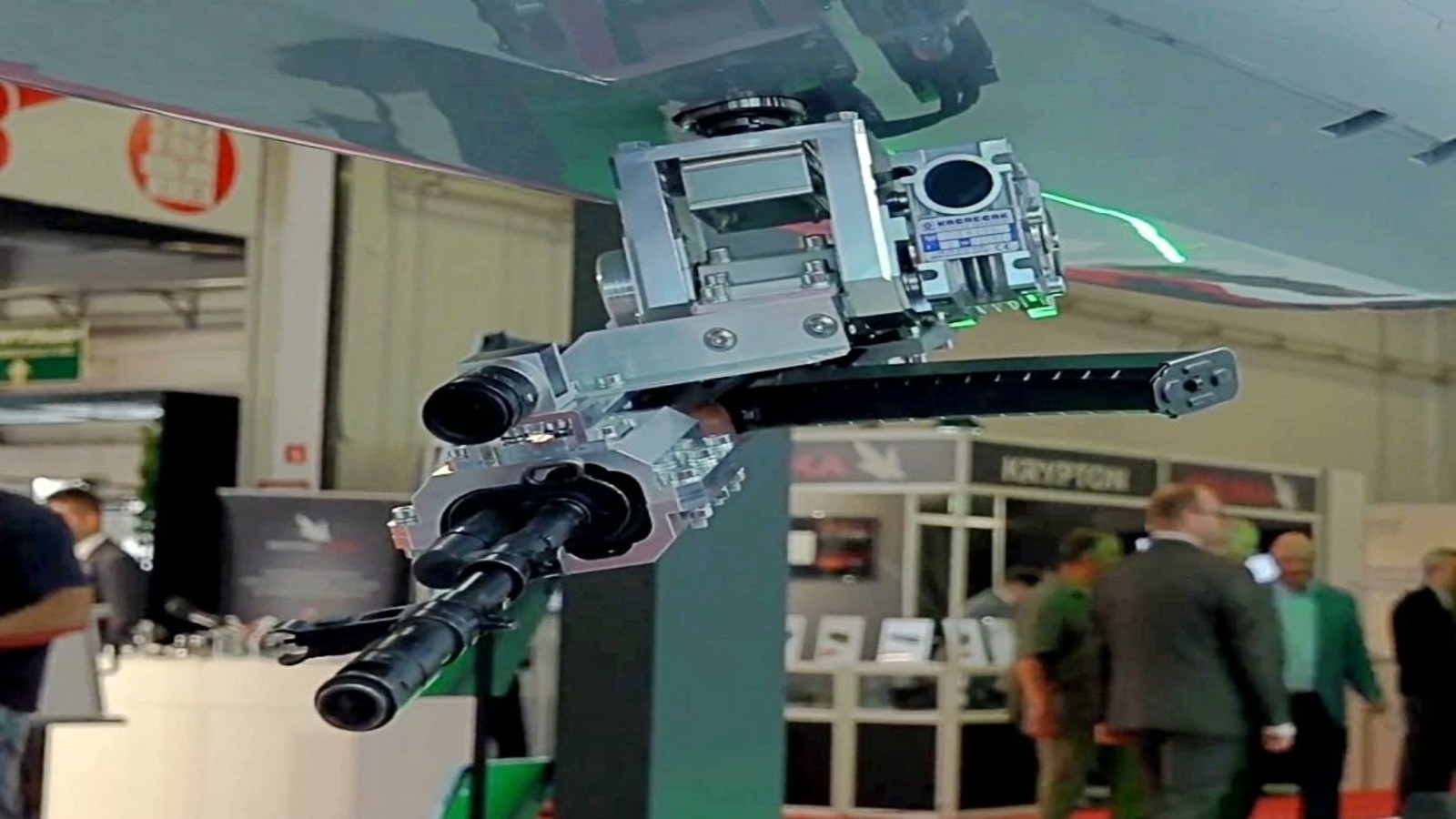
BSF-CISF joint operation: Trial begins on Punjab border, which system will take command?
To prevent this possible intrusion of airspace, the Home Ministry has constituted a high-level special committee under the Border Security Force (BSF). Under the supervision of this committee, BSF is preparing to install these state-of-the-art systems in the sensitive areas of Punjab bordering Pakistan, where regular ground trials have also started. Along with this, the Central Industrial Security Force (CISF) has also formed a joint team, which includes top officials from DRDO, Intelligence Bureau (IB), Airport Authority of India (AAI) and BSF. This team is visiting all the important airports and VVIP bases of the country, based on the final report of which it will be decided which anti-drone system will be deployed at which sensitive place.
Which is the first port in the country to have anti-drone system?
As part of this campaign to deal with the drone threat, V.O. located in Thoothukudi, Tamil Nadu. Chidambaranar Port has created history by becoming the first port in the country where this security cover has been installed. In February 2026, an agreement was signed with the government company ‘Central Electronics Limited’ for the security of this port and the advanced anti-drone system was activated. This system based on radio frequency and radar has been specially designed for the coastal environment of the port, which will provide 360-degree surveillance all around. This historic step has been taken under the government’s ‘Amrit Kaal Vision 2047’ and ‘Maritime India Vision 2030’ to make the country’s maritime and air security impenetrable.

What is anti-drone system?
Anti-drone systems are used to identify, track and disable enemy drones. Main Objective:
- To monitor the airspace.
- Ensuring security of sensitive and strategic locations.
- Preventing potential threats posed by drones.
How does the anti-drone system work?
- First the drones present in the air are detected.
- Then its type, speed and direction are identified.
- The drone is then neutralized through jamming techniques or other countermeasures systems.
Where is anti-drone system used?
- At airports, border areas and military bases.
- In security of important government buildings.
In large public events and crowded events]Example:
- Iron Dome (Israel)
- D-Drone Drone Tracker (Germany/USA)
- Skylock Drone Shield (US/Israel)
- VSHORAD Counter-Drone System (India)