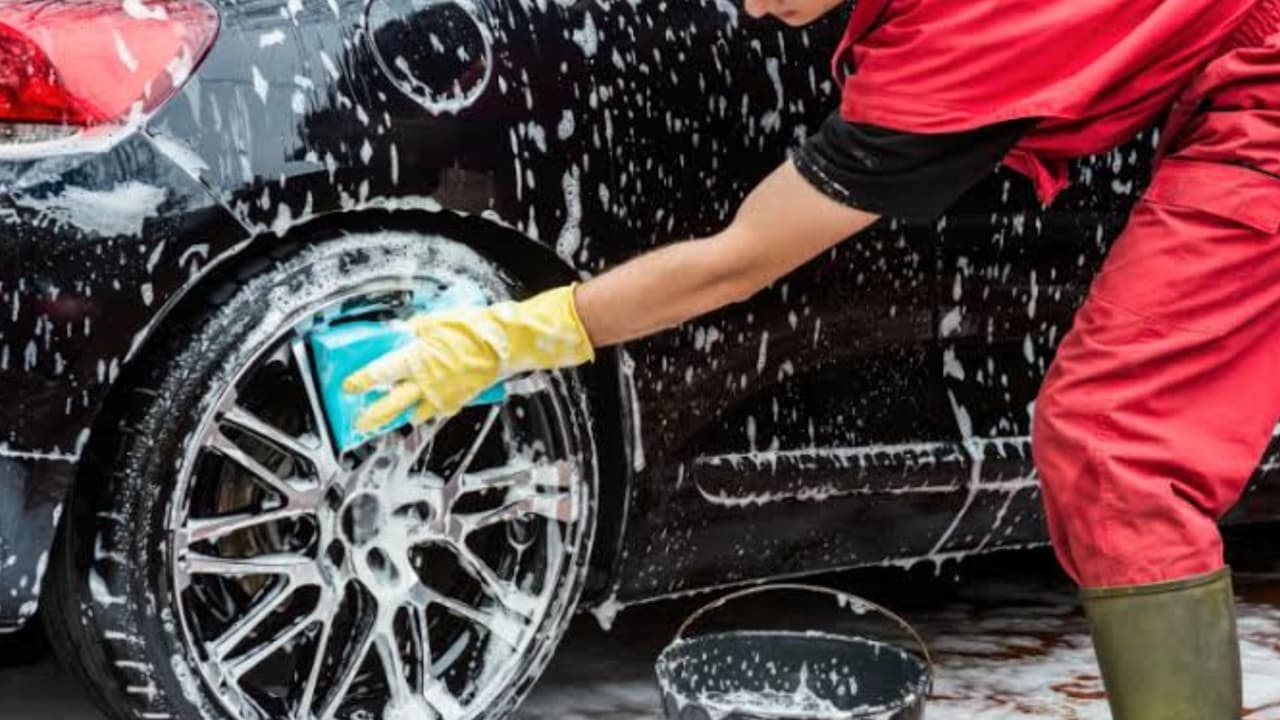
BWSSB has imposed a ₹5,000 fine for using drinking water to wash vehicles, fill swimming pools, and other non-essential activities in Bengaluru. The board has also made water aerators and flow restrictors mandatory to conserve water amid the ongoing crisis.
With the city facing increasing water stress due to poor monsoon rainfall, the Bengaluru Water Supply and Sewerage Board (BWSSB) has introduced stricter measures to prevent the misuse of drinking water. Residents and establishments found using potable water for activities such as vehicle washing, gardening, construction work, road cleaning, or filling swimming pools will face a penalty of ₹5,000.
The water board has also warned that repeated violations could result in a 50% reduction in water supply, an additional daily penalty of ₹500, and possible legal action. The move aims to conserve available water resources and ensure sufficient supply for essential domestic needs.
Water Flow Restrictors And Aerators Made Mandatory
The BWSSB has made it compulsory for all buildings, including individual houses, apartment complexes, commercial establishments, government offices, hotels, and factories, to install water flow restrictors and aerators.
According to the board, installing aerators can help reduce water consumption by around 30% to 50% by regulating the flow of water from taps without affecting regular usage.
Drinking Water Use For Non-Essential Activities Banned
The use of drinking water for washing vehicles, watering gardens, cleaning roads and footpaths, and construction-related activities has been strictly prohibited.
BWSSB officials have stated that treated water must be used for such purposes instead of potable water. The restriction aims to reduce unnecessary consumption of drinking water during the ongoing water shortage.
Swimming Pools Must Use Treated Water
The new regulations also apply to swimming pools across Bengaluru. Both private and public swimming pools are prohibited from using drinking water for filling or maintenance purposes.
Pool operators have been instructed to use treated water or explore alternative sources. The BWSSB has warned that violations will attract a ₹5,000 penalty, along with a possible 50% reduction in water supply.
Continued violations will result in an additional charge of ₹500 per day, and authorities may initiate legal action against repeat offenders.