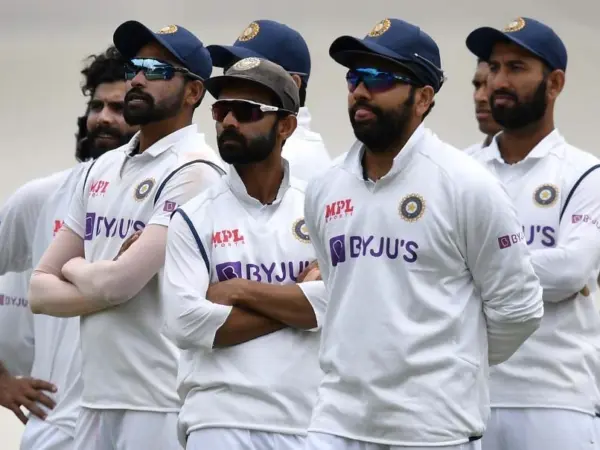
Ajinkya Rahane’s retirement from international cricket once again brought to the fore the BCCI’s unique initiative of providing pensions to former cricketers.
Rahane, who played 85 Tests, 90 ODIs and 20 T20Is, is eligible for the highest pension bracket. A monthly pension for former cricketers is a scheme that is rarely heard of in the world of sports. However, the BCCI took this initiative over 20 years ago.
When did the pension scheme start?
According to a report in Cricinfo, the BCCI started the pension scheme in April 2004. The report quoted PTI as stating that 174 former players and officials would receive a monthly pension of Rs 5,000. At that time, it was mandatory for a player to have played at least one Test match to be eligible for the monthly pension scheme.
What is the current structure of the BCCI pension scheme?
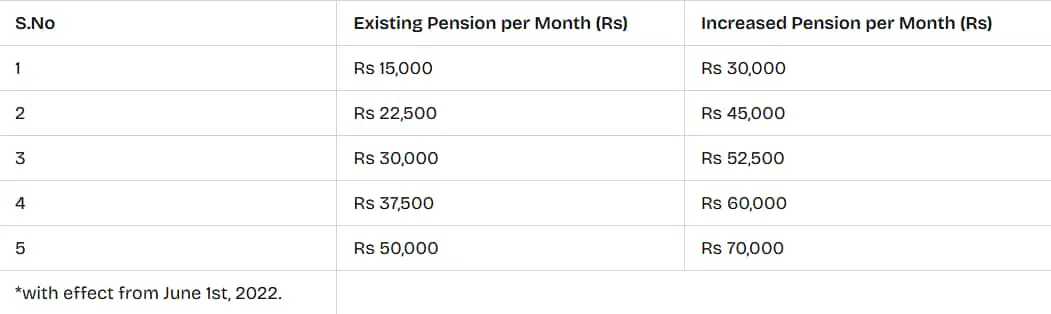
In June 2022, the BCCI announced an increase in the monthly pensions of former cricketers and umpires. Jay Shah, the then BCCI secretary, had said: “The welfare of our cricketers, be it former or present, is a top priority, and increasing pension amounts is a step in that direction. The BCCI values the contribution the umpires have made over the years, and this is one way to express our gratitude for their diligent services to Indian cricket. A total of around 900 personnel will get the benefit of the scheme, with more than 75% of the beneficiaries getting a 100% raise.”
According to information available on the internet, senior Test cricketers (25+ Tests) are eligible for a pension of Rs 70,000 per month. Other former Test cricketers receive Rs 60,000 per month. Former women international cricketers receive Rs 52,500 per month. The scheme is not limited to international cricketers. First-class cricketers who retired before 2003 are eligible for a pension of Rs 45,000 per month, while other former first-class cricketers are eligible for Rs 30,000 per month.
Will the BCCI pension scheme continue for a lifetime?
Again, as per several reports, the pension scheme never stops permanently. However, there are temporary pauses if a retired player or official takes up a salaried official role with the BCCI or a state cricket association, such as serving as a national coach, selector, or administrator.