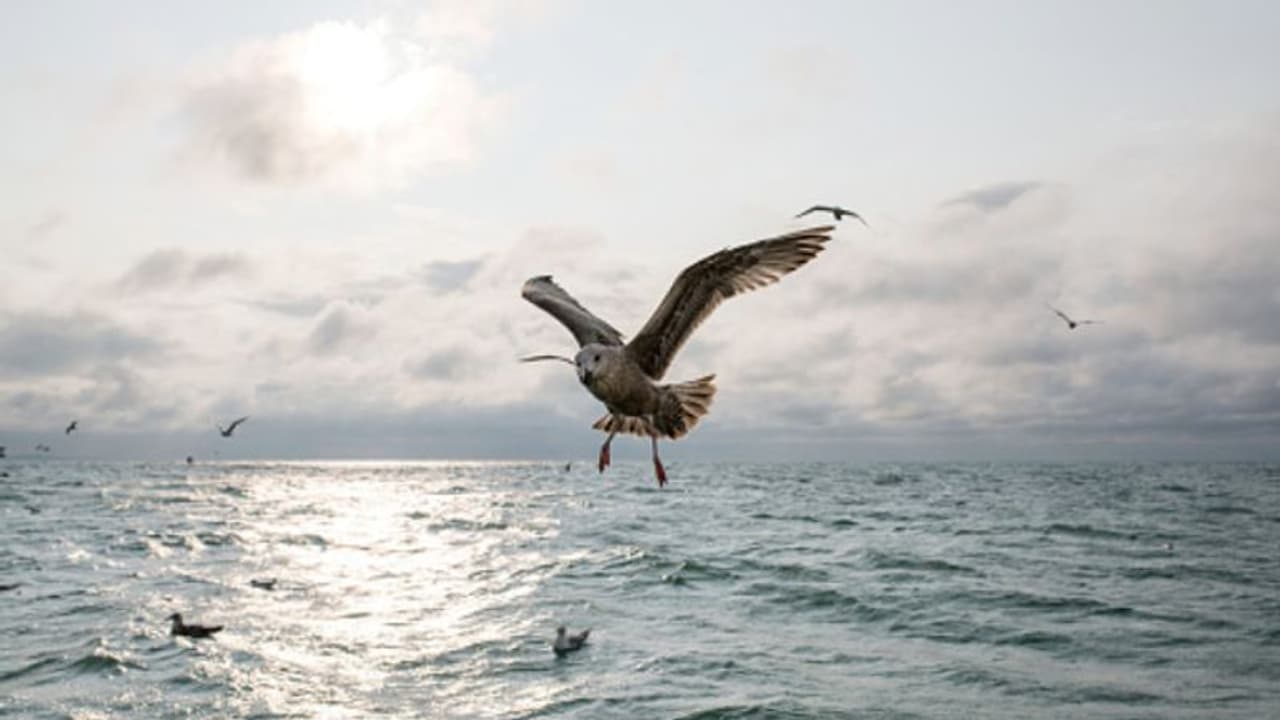
A long-term study has uncovered alarming changes among seabirds on a remote Australian island, with researchers recording unprecedented levels of plastic ingestion and growing concerns over ecosystem health.
A 16-year study of seabirds on Australia’s Lord Howe Island has revealed a sharp rise in the amount of plastic being consumed by young birds, with researchers documenting record-breaking levels of ingestion in recent years.
The findings, published in the journal Earth’s Future, focus on sable shearwaters, a seabird species that breeds on the island in large numbers. While plastic ingestion has been a persistent problem for decades, researchers found that both the quantity and weight of plastic consumed by individual birds have increased dramatically during the latter years of the study.
Scientists examined data collected between 2010 and 2026 and found that although the proportion of birds ingesting plastic remained relatively stable, the overall burden carried by affected birds rose significantly.
The most striking cases emerged in the last two years of the study. In 2025, one fledgling was found carrying 894 pieces of plastic weighing 64.21 grams. Another bird examined in 2026 contained 644 pieces with a combined weight of 67.4 grams.
Researchers noted that records once considered extreme are now being surpassed regularly.
Lord Howe Island hosts the world’s largest known breeding population of sable shearwaters, with an estimated 22,000 breeding pairs. The species spends much of its life foraging across the Tasman Sea, making it particularly vulnerable to marine plastic pollution spread across vast ocean areas.
For years, scientists believed biological limits would prevent chicks from carrying substantially larger plastic loads. The latest findings challenge that assumption.
Earlier records that once appeared extraordinary have been overtaken repeatedly during the last several breeding seasons.
Record Numbers Continue To Climb
The study traced a clear progression in plastic accumulation over time.
In 2011, one fledgling was found with 276 plastic pieces weighing 64.1 grams, a figure that represented a benchmark for years. That record was eventually surpassed in 2023 when researchers documented a bird containing 403 plastic items.
The trend continued in 2024 with another bird carrying 407 pieces before rising dramatically in 2025 and remaining exceptionally high in 2026.
Researchers estimate that the heaviest plastic burdens could represent dozens of plastic fragments delivered repeatedly during feeding trips.
The study suggests food shortages may be contributing to the problem. Adult birds searching for prey may increasingly mistake floating plastic debris for food or become less selective while foraging.
Scientists also observed a decline in chick body condition over time. According to the research, fledglings now weigh roughly 25 per cent less than they did a decade ago.
The plastic itself does not necessarily originate near Lord Howe Island.
During breeding periods, adult shearwaters travel extensively across the Tasman Sea, ranging north toward Brisbane and south toward Bass Strait. Feeding trips typically last several days, exposing birds to pollution across a wide marine area.
Visible Impacts Raise Concern
Researchers reported evidence of significant physical harm among affected birds.
According to the study, plastic ingestion has been linked to extensive internal scarring, reduced growth, poor body condition and disruptions to normal development. The findings suggest the impact extends beyond simple stomach blockage and may affect overall health and survival.
The investigation also tracked the types of plastic being consumed.
Bottle caps and industrial resin pellets, commonly known as nurdles, showed notable increases over the study period. Researchers recorded substantial growth in these items between 2024 and 2026, indicating changing patterns in marine plastic exposure.
While the study highlights the severity of the problem, researchers cautioned that the issue reflects a broader environmental trend rather than an isolated wildlife concern.
They argued that policy responses must move faster than the pace of environmental deterioration. According to the authors, stronger measures targeting plastic pollution are necessary if growing wildlife impacts are to be reversed.