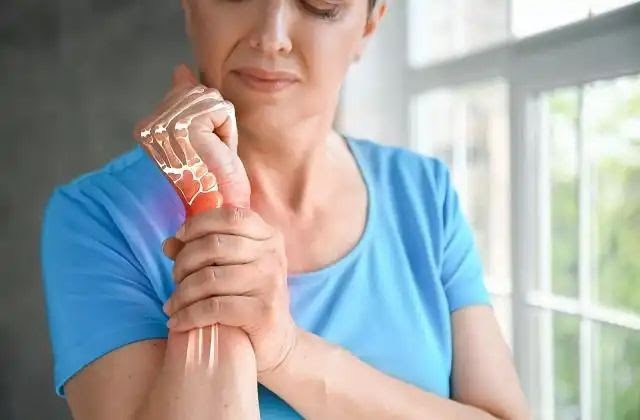
You must have heard many women saying that their joints hurt like knees, fingers and elbows. This often happens when women cross the age of 30, but after crossing the age of 30, if pain, stiffness or heaviness is felt in every joint of the body, then do not ignore it as just an effect of increasing age.
Joint pain can become common in women due to hormonal changes, lack of nutrition, wrong lifestyle and some health problems. By understanding its causes in time and adopting proper care, this problem can be avoided to a great extent.
Why does joint pain increase in women after 30?
After the age of 30, many physical and hormonal changes start taking place in the body of women, which also affect the bones and joints.
1. Hormonal changes: In women, estrogen hormone plays an important role in the protection of bones and joints. With increasing age, its level gradually starts decreasing, due to which the problem of pain and stiffness in joints can increase.
2. Calcium and Vitamin D deficiency: Many women do not have enough calcium and vitamin D in their bodies. Due to this, the bones become weak and there is more pressure on the joints.
3. Weight gain: Increasing weight puts extra pressure on the knees, ankles and waist joints, increasing the likelihood of pain.
4. Sitting for a long time: Due to office work, continuous sitting at home or less physical activity, the flexibility of the joints starts decreasing.
5. Osteoarthritis: With increasing age, the cartilage of the joints starts wearing away, which can cause pain in knees, hands and hips.
6. Rheumatoid Arthritis: It is an autoimmune disease, in which the body’s own immune system starts attacking the joints. The risk is higher in women than in men.
7. Thyroid problem: In conditions like hypothyroidism, pain can also be felt in muscles and joints.8. Swelling in the body: Due to poor diet, lack of sleep and stress, inflammation in the body can increase, which increases joint pain.

Which symptoms should not be ignored?
Stiffness in joints when waking up in the morning, persistent pain in knees, shoulders or hands, difficulty in climbing stairs, swelling in joints, sound on moving joints, weak grip of hands and feet, pain while walking after sitting for a long time.
How to prevent this?
Do regular exercise: Walking briskly for 30 minutes daily, doing yoga, stretching and light exercise helps in maintaining the strength of the joints.
Get enough calcium: Include milk, curd, cheese, sesame, soya, ragi and green leafy vegetables in your diet.
Take care of Vitamin D: Take morning sunlight and take supplements if needed as per doctor’s advice.
Keep weight under control: Maintain a healthy weight with a balanced diet and regular exercise.
Eat protein rich food: Protein sources like pulses, kidney beans, gram, eggs, cheese and soya help in strengthening muscles and joints.
Drink enough water: Drinking adequate amount of water throughout the day keeps the body hydrated and improves the functioning of joints.
Do not sit in one place for a long time: Every 30-40 minutes, get up, walk a bit and do stretching.
Get good sleep: 7-8 hours of sleep daily helps the body repair and reduce inflammation.
When to contact a doctor?
If the pain persists for more than 2-3 weeks. There is constant swelling in the joints. Difficulty in walking due to severe pain. There is pain in joints along with fever. Suddenly you feel redness and warmth in any joint.
In such a situation, get checked by a doctor without delay. If needed, tests like blood test, vitamin D, calcium, thyroid test or X-ray may be advised.
thing to remember
Joint pain in women after the age of 30 is not just a sign of aging. Hormonal changes, lack of nutrition, increasing weight, less physical activity and some diseases can also be responsible for this. The risk of this problem can be reduced to a great extent by eating right, regular exercise, adequate sunlight, healthy weight and getting timely checkups done.
Disclaimer: This article is for general health information only. If joint pain is persistent or severe, consult a qualified doctor or orthopedic surgeon instead of treating yourself.