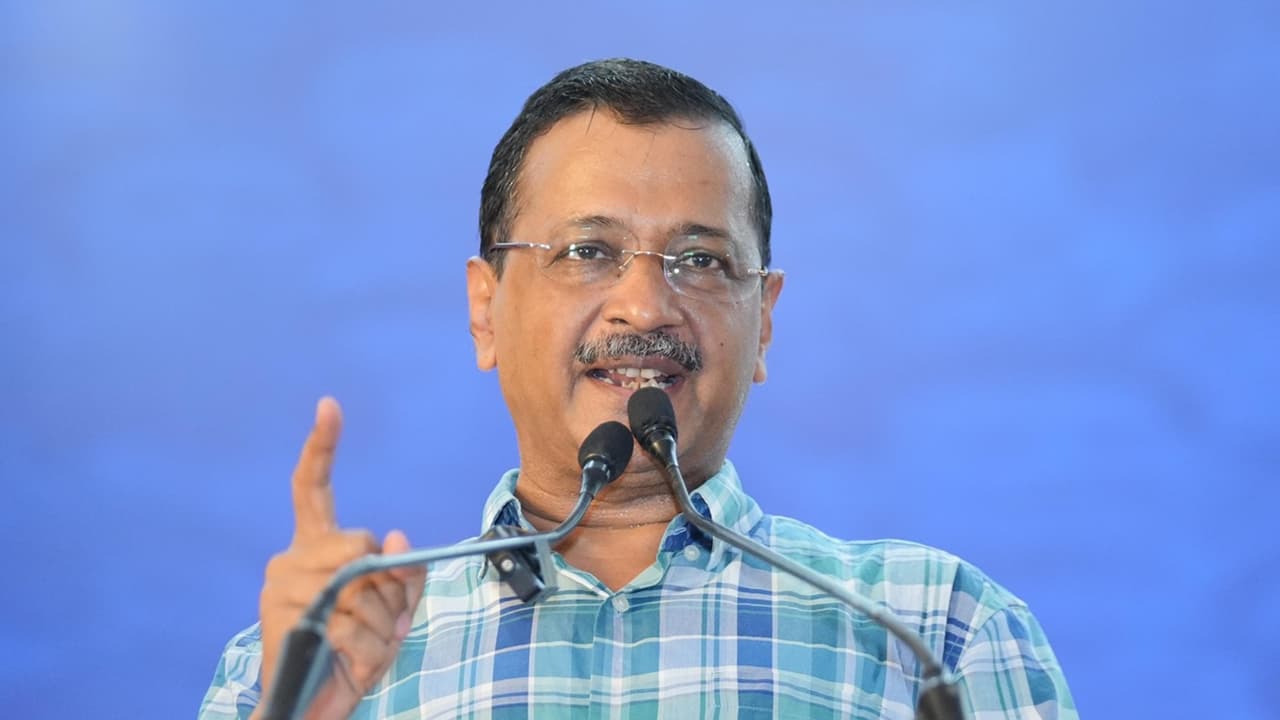
Arvind Kejriwal Boycott Delhi High Court: Former Delhi Chief Minister Arvind Kejriwal has announced to boycott the court of Justice Swarn Kanta Sharma. Kejriwal has written a letter to the judge alleging that due to the professional relations of his children with the Central Government, he does not expect impartial justice from this court. Learn about the case in detail…
Arvind Kejriwal vs Delhi High Court: The conflict has started between former Delhi Chief Minister Arvind Kejriwal and the judiciary. Kejriwal, who is fighting for his innocence in the Liquor Policy Case, has now decided to directly boycott the court of Delhi High Court judge, Justice Swarn Kanta Sharma. Kejriwal has written a letter to the judge saying that he no longer expects to get justice from his court. But the question is whether this boycott of the court will prove costly for Kejriwal? Can an arrest warrant be issued against him? Let us understand what the whole matter is and what legal experts say…
‘Judge Sahib, now Gandhigiri will happen’- Kejriwal
Arvind Kejriwal has written a letter to Justice Swarn Kanta Sharma informing him that now he will neither appear before him himself nor through his lawyer. Kejriwal has named it ‘Gandhian Satyagraha’. Kejriwal said, ‘I have listened to the voice of my conscience. There is no point in being a part of such proceedings when I have no hope of impartial justice. Kejriwal claims that the judge’s children are panel lawyers of the Central Government and they have professional relations with Solicitor General Tushar Mehta, who is standing against Kejriwal in this case. Kejriwal has called this a ‘conflict of interest’.
Justice Swarn Kanta Sharma’s answer – I will not bow down under pressure
Earlier, Kejriwal had demanded that Justice Sharma recuse himself from hearing the case, which was rejected outright by the judge. The judge said in his order, ‘My oath is towards the Constitution. Justice does not bend under anyone’s pressure. He said that leaving the case without any concrete evidence would amount to ‘escaping duty’. He warned that the credibility of the institution cannot be harmed by sowing seeds of distrust.
Can this decision send Kejriwal to jail?
Legal experts believe that Kejriwal not coming to the court can put him in big trouble. According to many senior advocates, when an accused is acquitted by the trial court, a bond is made from him that he will appear in the appeal in the higher court. If Kejriwal does not appear in the court, then the judge can first issue a bailable warrant and then a non-bailable warrant against him.
What is the whole matter?
This entire controversy is related to the process of acquittal of Arvind Kejriwal in the liquor policy case. The lower court had given him relief, which the CBI has challenged in the High Court. The High Court had issued a notice on the CBI petition, which Kejriwal is calling politically motivated. Kejriwal has now kept the option of approaching the Supreme Court open. He says that he will go to the highest court of the country against any decision of the High Court.