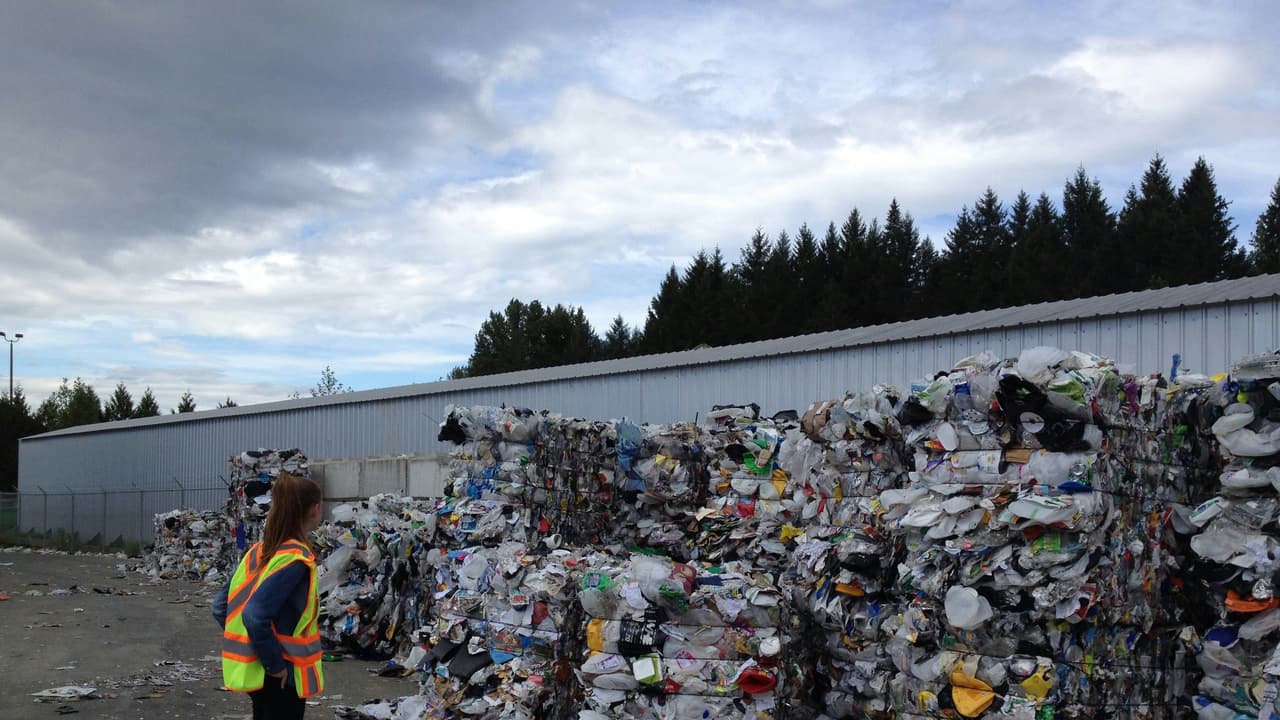
The race to expand artificial intelligence is drawing attention to a lesser-known environmental concern, with experts warning that future impacts may extend far beyond electricity and water consumption.
The rapid buildout of artificial intelligence infrastructure could generate hundreds of millions of tonnes of electronic waste in the coming decades, according to a new assessment that highlights an often-overlooked environmental consequence of the AI boom.
The analysis, published by the Basel Action Network (BAN), estimates that between 2025 and 2050, between 395 million and 617 million metric tonnes of AI-related electronic equipment could reach retirement and enter waste streams.
Researchers argue that discussions about AI’s environmental footprint have largely focused on electricity use and water consumption. However, the physical infrastructure supporting AI systems may create a substantial waste-management challenge of its own as facilities expand across the world.
The assessment projects that annual volumes of retired AI-linked equipment could reach between 8.6 million and 13.1 million tonnes by 2030.
According to BAN, previous estimates underestimated the scale of the issue because they concentrated primarily on servers and graphics processing units. The latest analysis takes a broader approach by examining all major infrastructure components used inside AI data centres.
That distinction significantly increases the projected volume of material that could eventually require reuse, recycling or disposal.
The findings arrive as governments and technology companies continue investing heavily in AI infrastructure, with new data centres appearing across multiple regions to support growing computing demands.
As deployment accelerates, experts say the question is no longer limited to how much energy AI consumes, but also what happens to the equipment once it reaches the end of its useful life.
Waste Challenge Extends Beyond Computing Hardware
The report argues that focusing solely on servers and processing chips presents an incomplete picture of AI infrastructure.
Within a typical AI data centre, servers and accelerator equipment account for only a small portion of the total weight of installed systems.
The majority consists of supporting infrastructure, including networking equipment, power supply systems, power distribution components, backup equipment and cooling installations.
As technology evolves, this entire ecosystem may eventually contribute to growing e-waste volumes.
Researchers note that equipment replacement cycles could further amplify the issue.
The intense competition to increase processing power is driving frequent hardware upgrades. Even when systems remain operational, newer generations of equipment may render older infrastructure less attractive for large-scale AI applications.
As a result, equipment may be replaced well before reaching the end of its functional lifespan.
Experts say extending equipment use through refurbishment, repair and component recovery could reduce demand for newly manufactured resources.
Without those measures, rising volumes of discarded equipment may increase environmental pressures.
Data Security And Recycling Present New Concerns
The report highlights another challenge associated with retired AI infrastructure: information security.
Servers, storage devices and networking systems often contain sensitive data, including confidential information and system-level operational records.
For that reason, researchers stress that removal of equipment from a data centre must be accompanied by secure data-erasure processes and careful oversight throughout disposal or refurbishment.
Environmental organisations are also drawing attention to international waste movements.
Large quantities of retired AI hardware may eventually enter global recycling networks, raising questions about where equipment will be processed and whether adequate environmental safeguards are in place.
The issue carries particular significance for countries experiencing rapid growth in data-centre infrastructure.
India, where investments in AI facilities continue to expand, already faces increasing electronic waste volumes. As more servers, networking systems and related equipment reach retirement age, decisions regarding reuse, recycling and recovery will become increasingly important.
Current wastewater, pollution and resource-management debates around technology infrastructure could eventually be joined by discussions about how retired AI equipment is handled after leaving service.
BAN argues that assessing AI’s environmental footprint requires examination of the entire lifecycle of its infrastructure.
That includes extraction of raw materials, manufacturing, operation, replacement and final disposal.
The organisation’s estimates suggest the scale of future AI-related e-waste could be substantial enough to demand attention long before the equipment begins reaching retirement.