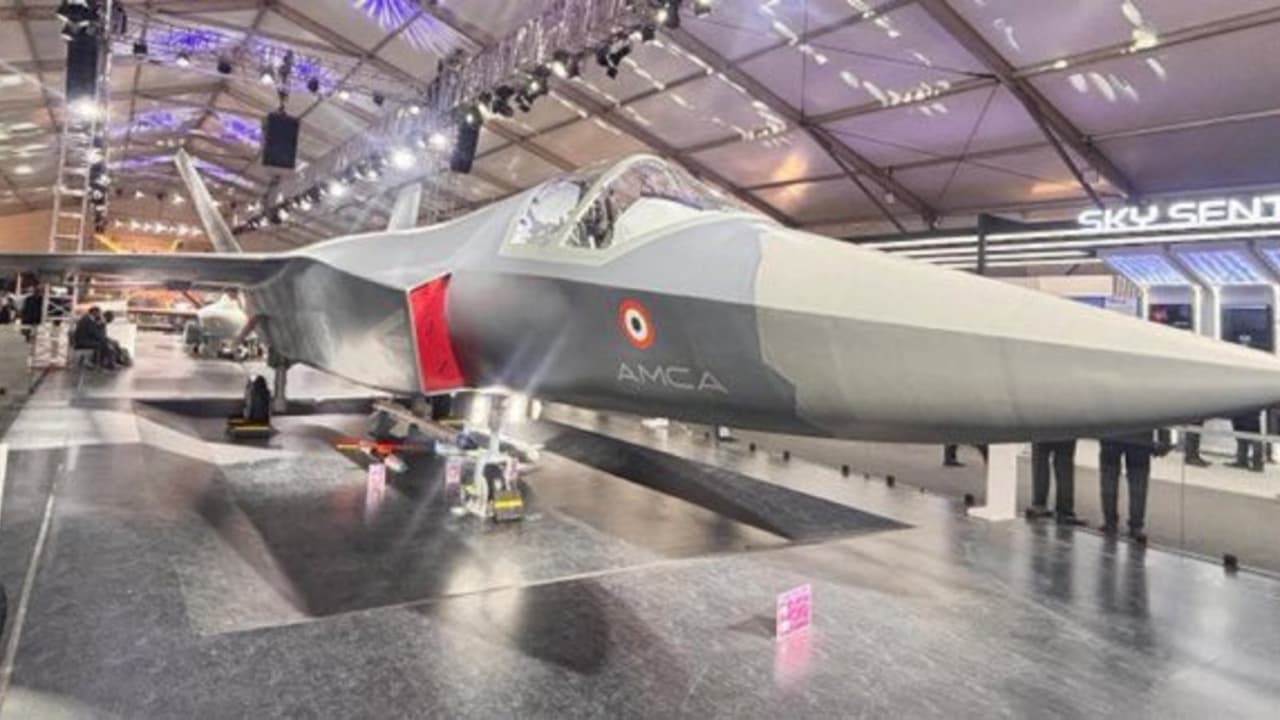
Did India make the biggest change in defense history by ousting HAL? Will the AMCA (15,000 crore) project completely transform India’s air power? Will private companies now make India’s 5th generation stealth fighter? Will India join the elite fighter race like F-35, J-20 by 2035?
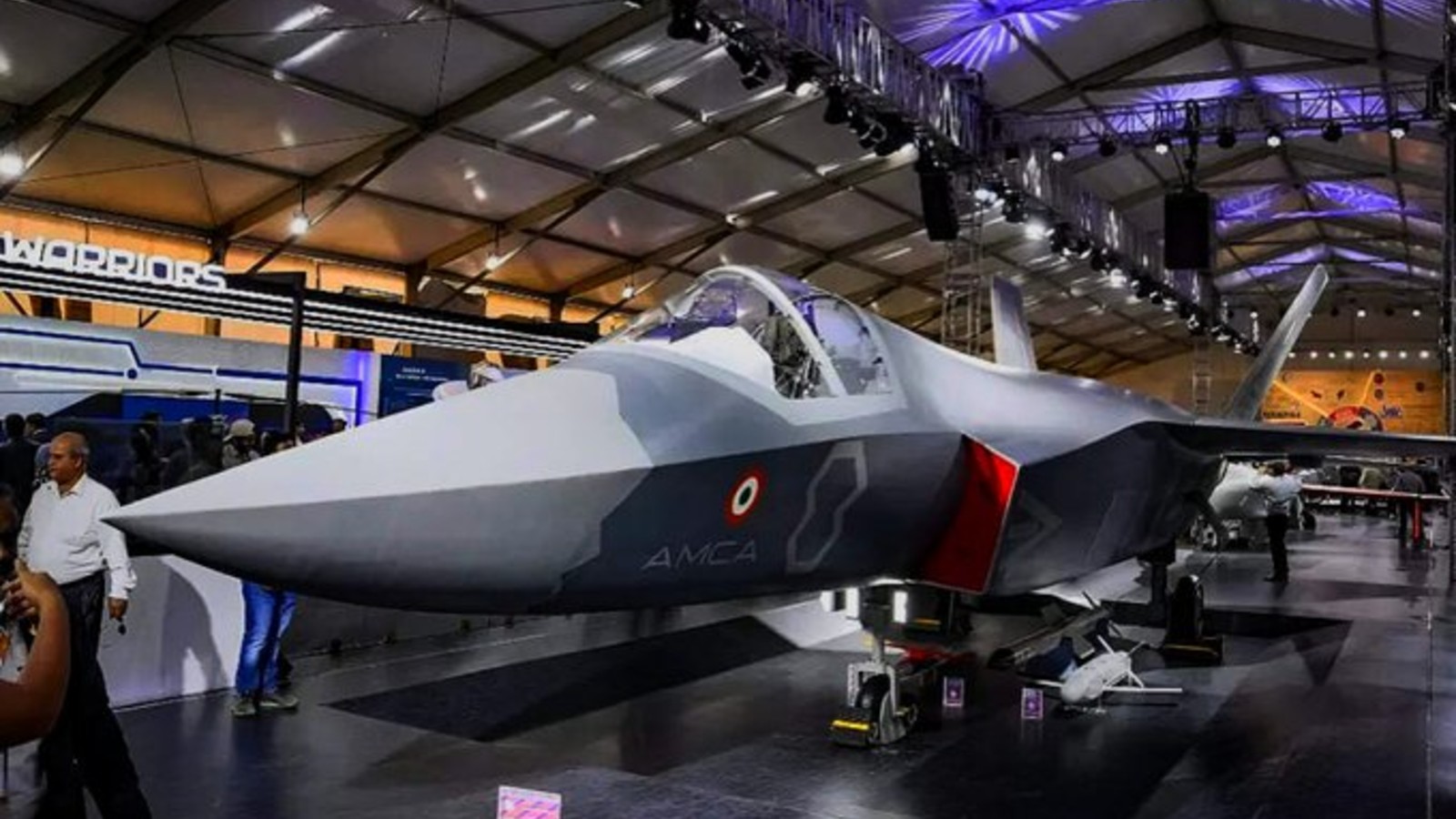
AMCA Stealth Fighter India: For the first time since Independence, the doors of the biggest and secret mission related to the security of Indian skies – the Advanced Medium Combat Aircraft (AMCA) program – have been thrown open to private companies. But the biggest twist in this story is that government aerospace giant Hindustan Aeronautics Limited (HAL) has been completely excluded from this initial prototype competition phase. This surprising decision has created a stir in the aerospace corridor of the country. After all, why did the government take the risk of handing over the command of this ₹ 15,000 crore mega project to private hands by sidelining its most trusted government company?
Secret Consortium: Who will take command of India’s first stealth fighter?
As soon as HAL is out of the race, three big giants of the Indian defense industry have tried their best to fill this void. In this mega-competition, there is now direct competition between these two big consortia:
- First Consortium: Tata Advanced Systems (TASL), which is leading the race in collaboration with L&T, BEL and Dynamic Technologies.
- Second consortium: The combination of Bharat Forge, BEML and Data Patterns, which is challenging on the basis of its cutting-edge technology.
Whichever company or consortium wins this close race, will collaborate with the Aeronautical Development Agency (ADA) and DRDO to build five flying prototypes and one structural test aircraft at a brand new, state-of-the-art greenfield aerospace complex in Puttaparthi, Andhra Pradesh.
Mission 2035: Will the private sector be able to break through the maze of deadlines?
- Behind this historic and courageous decision, there is a deep strategy of the government hidden – ‘punctuality’.
- For decades, government companies have been accused of delaying projects.
- The government hopes that the industrial efficiency and aggressive working style of the private sector will be able to speed up the timeline of this mega-project.
According to the strategy, the entire funding of this prototype phase will be done by the government itself, while the private partners will have to work shoulder to shoulder with the scientists of ADA and DRDO. But the real challenge is time:
- Deadline for proposal submission: Next few months.
- Final Selection and Contract: Between January to March 2027.
- Suspense of first flight: Between 2028 and 2032.
- Entry into Army: After 2035.
Scroll to load tweet…
Direct challenge to super-power countries: India’s entry into the club of F-35 and Su-57
- This is not just a project to build a fighter jet, but a mission to redefine India’s power on the world map.
- Currently only the US (F-22, F-35), China (J-20) and Russia (Su-57) have operational fifth-generation stealth fighter jets.
- The success of AMCA will make India the fourth member of this very elite and VIP club.
- The Indian Air Force (IAF) is planning to replace the aging fourth generation aircraft from its fleet and induct around 120 AMCA aircraft, which will form the backbone of the Indian Air Force in the future.
Invisible hunter of the sky: What are the features of this fifth generation fighter?
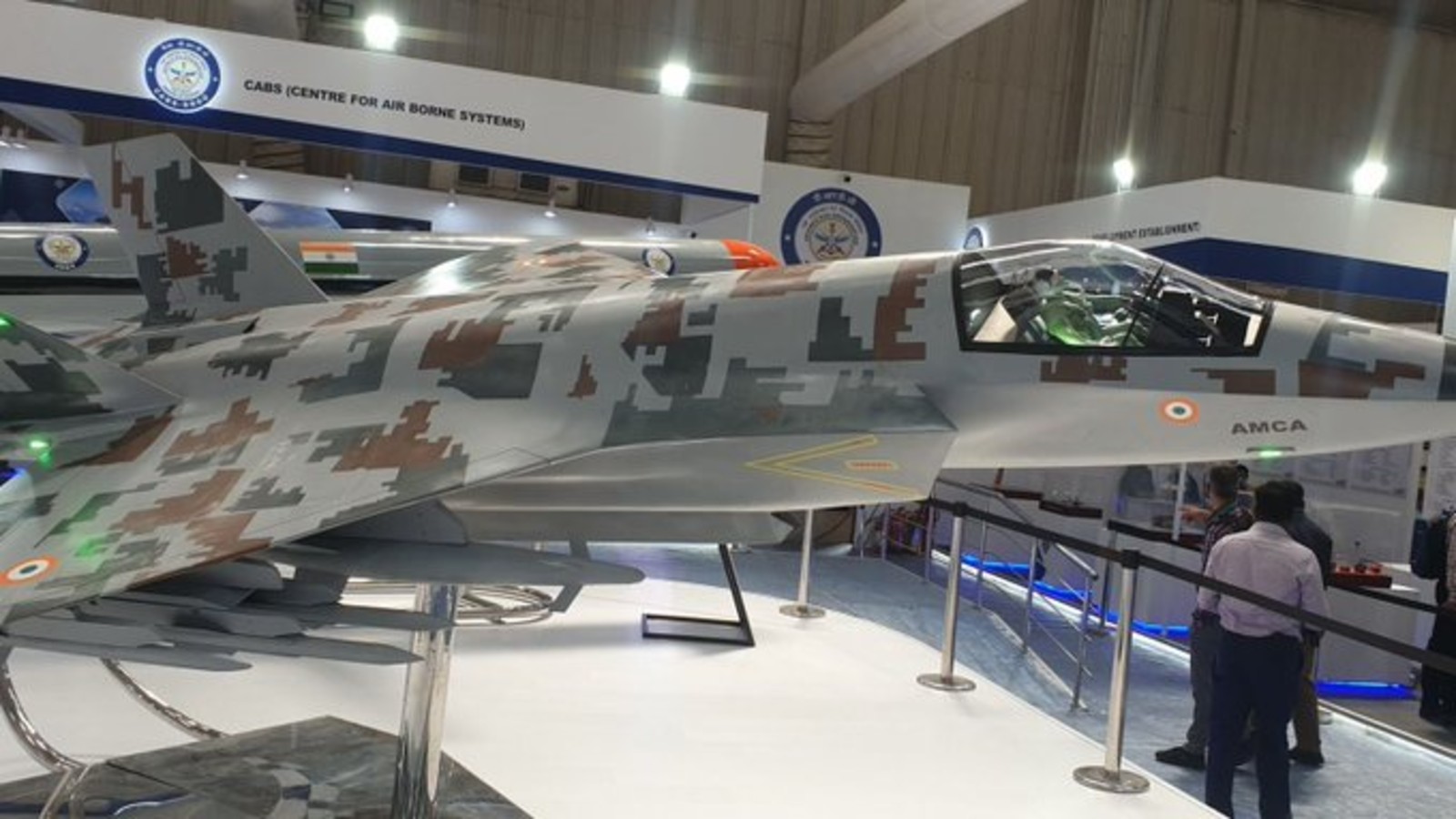
- AMCA is being designed as an ‘invisible hunter’ which can never be detected by enemy radars.
- With ‘low visibility stealth shaping’ and advanced radar-absorbing coatings to dodge radar, the aircraft will be equipped with network-centric combat capabilities.
The power figures of this twin-engine and single-seat fighter are enough to blow anyone’s mind:
- Operational Height: Sky up to 55,000 feet.
- Internal weapon bay (weapon capacity): 1,500 kg of weapons in the interior to maintain stealth mode.
- External Payload: 5,500 kg additional weapons outside if needed.
- fuel capacity: Fuel capacity of about 6,500 kg, which makes it lethal for long-range missions.
The bigger the stake is for the private sector, the more sensitive this mission is for the country’s security. Now it remains to be seen which private giant will be crowned with this historic project in the beginning of 2027!