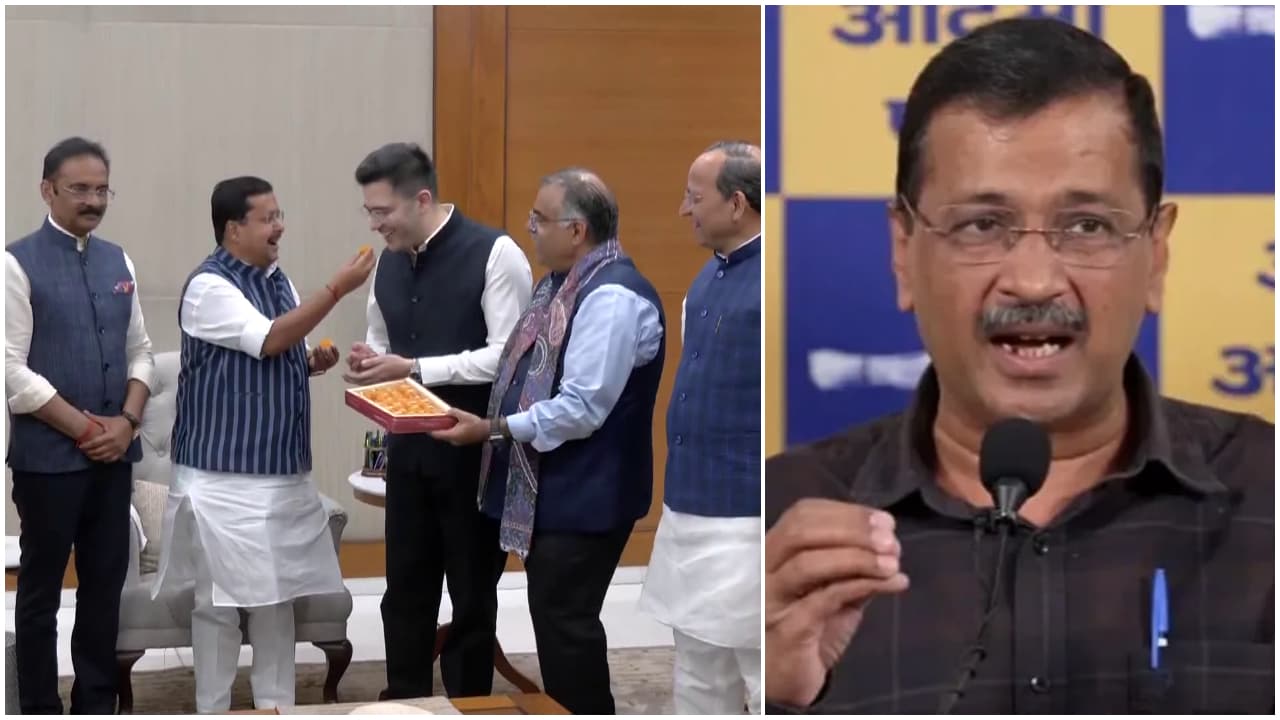
Arvind Kejriwal’s Aam Aadmi Party (AAP) faces a severe political crisis after seven Rajya Sabha MPs, including a prominent leader, defected to the Bharatiya Janata Party (BJP). The defections reportedly stem from months of internal disagreements over leadership and party direction.
Arvind Kejriwal is facing one of the most serious political crises in the history of the Aam Aadmi Party after a dramatic wave of defections by senior party leaders exposed growing unrest within the party. In a major setback, seven Rajya Sabha MPs, including prominent leader Raghav Chadha, walked out of AAP and joined the Bharatiya Janata Party, dealing a severe blow to Kejriwal’s authority.
Reports suggest Kejriwal made frantic attempts to prevent the split, but party insiders described his intervention as “too little, too late,” as discontent had already reached a breaking point.
According to sources, Kejriwal only became fully aware of the scale of the rebellion when the defections were nearly final. He reportedly reached out to several MPs in a last-minute effort to persuade them to remain with the party. However, many of the leaders had already made up their minds after months of internal disagreements over leadership style, decision-making, and the future direction of the party. The resignations have triggered intense debate about whether AAP’s central leadership failed to recognise warning signs early enough.
Kejriwal publicly attacked the BJP after the defections, accusing the ruling party of engineering the crisis. He said, “The BJP has once again betrayed Punjabis.” The statement reflected AAP’s claim that opposition leaders are being systematically targeted and pressured into switching sides.
Also Read: Anatomy Of Rebellion: How Raghav Chadha Dealt AAP Chief Arvind Kejriwal His Biggest Political Blow | Explained
Meanwhile, AAP leader Sanjay Singh moved the Rajya Sabha chairman seeking disqualification of the rebel MPs under anti-defection provisions, arguing that their move amounted to a betrayal of the mandate given to them by voters.
Punjab Chief Minister Bhagwant Mann also strongly criticised the rebels and mocked them by saying, “Ginger-garlic can’t be a dish,” suggesting that individual ambition without collective ideology cannot sustain a political movement. AAP workers across Punjab staged protests, branding the defectors as “traitors” and accusing them of abandoning the party for political convenience.
The rebellion has raised serious questions about AAP’s internal stability and Kejriwal’s grip over the party he founded. What began as a party built on anti-corruption and grassroots politics is now confronting a crisis that could reshape its future in national politics. For Kejriwal, the immediate challenge is not just containing the damage but proving that AAP can survive its biggest internal rupture yet.
Also Read: Why Sandeep Pathak’s AAP Exit May Hurt Arvind Kejriwal More Than Raghav Chadha’s