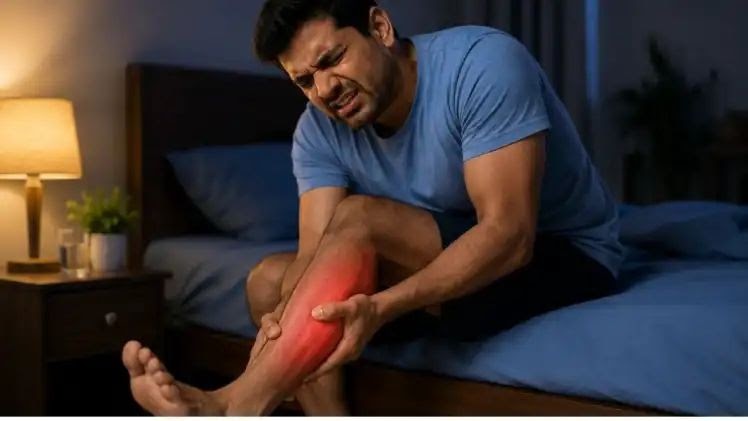
Suddenly getting a severe stretch in the leg or calf muscles during deep sleep at night is an uncomfortable experience that almost every person goes through at some point or the other. Due to this severe pain, which is also called leg cramp or left side pain, not only sleep is disrupted, but sometimes heaviness in the legs remains till the next day.
Usually people ignore it considering it to be mere tiredness of the day or general weakness. But medical experts believe that this recurring pain at night is not just fatigue but can be a sign of some major deficiency or imbalance within the body.
According to heart-transplant specialist and cardiologist Dr Dmitry Yaranov, lack of water alone is not responsible for leg cramps, but there can also be many other health-related reasons behind it. Dr. Yaranov explains that if cramps occur repeatedly, especially at night while sleeping or in a state of rest, then it should not be taken lightly. Let us know from experts what are the reasons that can be responsible for leg cramps and how to prevent it.
Causes of leg cramps
- There are many reasons responsible for leg cramps, but if you have pain and cramps in your legs and the problem is increasing with time, then it can be a sign of blockage in the arteries (Peripheral Artery Disease). In this condition, sufficient amount of blood does not reach the legs. If treatment is not done in time, the organ may be damaged.
- The veins of the legs work to return the blood of our body back to the heart. When the valves of these veins do not function properly, blood begins to accumulate in the legs, which can cause heaviness, swelling, pain, cramps and bulging veins in the legs.
- Electrolytes like magnesium, potassium and calcium in the body are essential for the proper functioning of muscles. Their deficiency may cause muscle cramps.
- Leg cramps also occur due to nerve related diseases. If along with cramps, tingling, numbness, burning and pain are felt in the legs, then these can be signs of nerve related disease. This problem is seen more in diabetic patients.
- Thyroid disease, anemia, Vitamin D or Vitamin B12 deficiency can also cause frequent leg cramps. In these conditions, the muscles get tired quickly and the problem of cramps may increase, especially at night.
- Leg cramps can also occur due to side effects of some medicines.
If you get cramps in your legs again and again then follow these remedies
If you often have the problem of leg cramps, then its risk can be reduced to a great extent by adopting some easy habits.
keep the body hydrated
If you want to control leg cramps, then first of all keep the body hydrated. Dehydration is a major cause of muscle cramps. If you want to control cramps in legs, then drink enough water throughout the day. You sweat more during summer, hence you should consume liquid food like lemon water, coconut water and buttermilk.
It is important to balance electrolytes
Deficiency of magnesium, potassium and calcium can also cause cramps. Include nutritious foods like banana, coconut water, curd, milk, green leafy vegetables, nuts and seeds in your diet.
do stretching exercises
If you often get leg cramps while sleeping, then do some stretching exercises before sleeping. By doing stretching exercises the muscles become flexible and cramps are controlled.
Do not sit in the same position for a long time
Sitting or standing for a long time can affect blood circulation in the legs. Walk a little every 30-60 minutes or keep moving your legs. Sitting in the same position for a long time increases stiffness in the muscles.
It is also important to exercise daily
Walking, cycling or doing light exercise for 30 minutes daily is very important for the feet. Daily exercise strengthens muscles and improves blood circulation.
wear shoes that support your feet
Wearing shoes that are too tight or uncomfortable can increase pressure on the feet. Always use properly fitting and comfortable footwear.
Control metabolic disease
If you have diabetes, thyroid, kidney disease or any nerve related problem, then get yourself checked regularly and get treatment as per the doctor’s advice.
Disclaimer: This article has been prepared for general health awareness purposes only. In case of persistent cramps, pain or other symptoms in the legs, consult a qualified doctor instead of treating yourself.