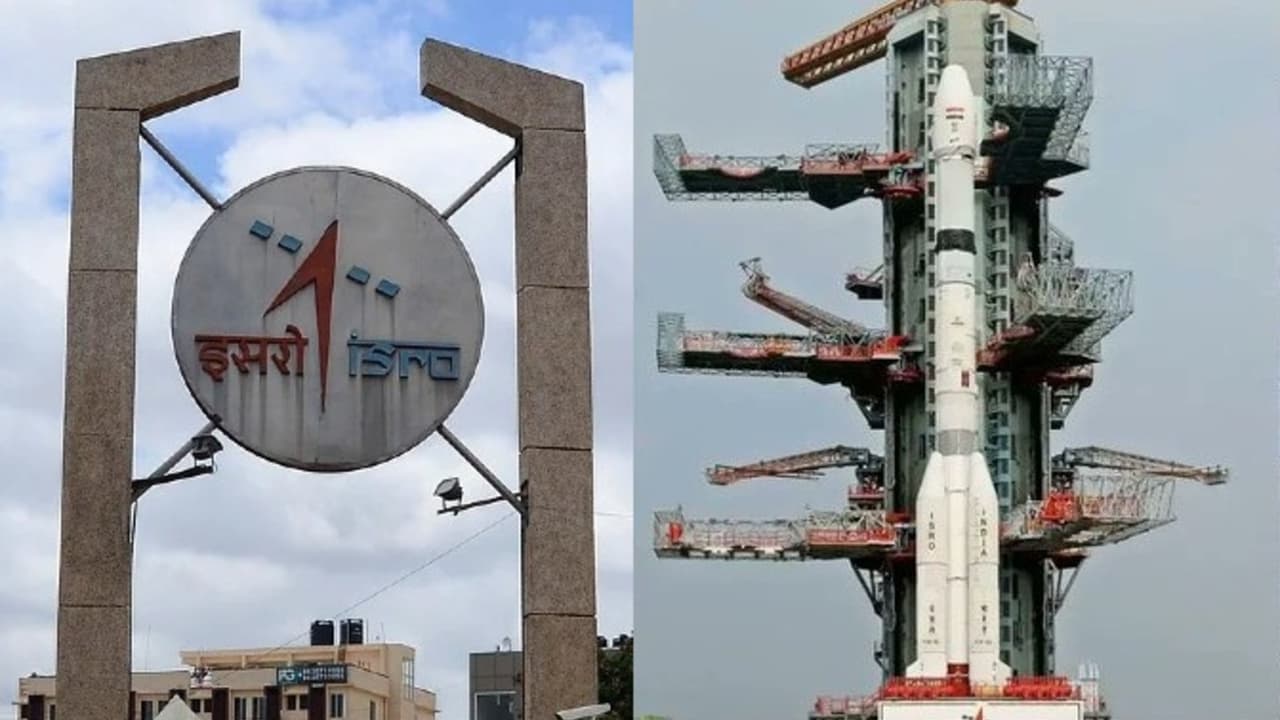
Resignations of 100+ scientists from ISRO raise concerns over Gaganyaan mission. DoS suddenly tightened the rules. Is talent migration becoming the biggest threat to India’s space mission?
New Delhi: When a country is standing on the threshold of touching the moon and the stars, then a news coming from behind the curtain shakes the entire nation. India’s ambitious space program is currently at its most historic juncture. On one hand, the preparations for the ‘Gaganyaan’ mission to send humans into space are in the final stages, while on the other hand, a news has come from the most prestigious scientific institute of the country which has made the policy makers of the Government of India sweat. A situation like a silent rebellion has arisen within the Indian Space Research Organization (ISRO), where a large group of experienced scientists are suddenly saying goodbye to the organization.
Codename ’14th July’: When the escape of 100 scientists was recorded in the files
This sensational truth has come to light from a shocking report of ‘Times of India’. According to the report, at least 100 senior scientists have submitted their resignations from ISRO within the last few months. This was no ordinary number, but it was a major blow to the backbone of India’s space dreams. Considering the seriousness of the situation, the Department of Space (DoS) hastily issued a very strict internal memorandum on July 14. This new order has made the rules of voluntary retirement (VRS) and resignation for scientists associated with Gaganyaan and other important national missions so strict that it is being seen as an ‘administrative lockdown’ in the scientific world.
Rights taken away from directors: The final command is in the hands of Delhi
Before the implementation of the new rules, the directors of individual ISRO centers (e.g. VSSC, URSC) had the administrative authority to approve the resignation or voluntary retirement requests of their scientists. But under the new guidelines, this right has been withdrawn with immediate effect. Now the resignation requests of Group ‘A’ scientific and technical staff will not be considered as normal administrative procedure. It has been completely centralized. Now no scientist can leave the organization unless he is closely scrutinized at the top level of the Department of Space (DoS) itself. This step of the government clearly shows that they are ready to go to any extent to save the manpower required for strategically important missions.
The secret of Gaganyaan: which no one can replace
The scariest aspect of this entire suspense is that the biggest impact of the recent resignations is on India’s first indigenous human space flight mission ‘Gaganyaan’. According to the Department of Space, these scientists have such rare and special expertise, which cannot be replaced overnight by a new employee. The sudden departure of an experienced scientist from the project could push the mission timeline back by months or years. For the government, Gaganyaan is not just a mission, but a question of India’s credibility on the global stage, and this credibility is now under threat.
Trap of private space ecosystem: Why are scientists leaving ISRO?
After all, what happened that the scientists who work day and night for the country are suddenly leaving ISRO? Although the government has maintained official silence on this, a report by ‘WION’ has exposed this mystery. The rapid expansion of private space ecosystem and aerospace startups in India is considered to be the biggest reason for this. Ever since the government opened up the space sector to private companies, big private startups and aerospace companies have been luring ISRO’s experienced minds with the lure of huge packages and big leadership roles. Former ISRO officials have warned that this talent migration cannot be stopped only by administrative restrictions and strict rules. Unless the fundamental issues like career growth, better work culture and economic motivation are addressed, it will be impossible to retain the greatest minds of the country.
Will talent migration stop just by tightening rules?
Experts say that merely making the process of administrative approval difficult will not provide a permanent solution to the problem. If scientists do not get better career opportunities, research freedom and a competitive environment within the organization, the challenge of brain drain may persist. It is worth noting that this is not the first time that ISRO has faced this problem. An RTI based report of 2017 had also revealed that around 300 scientists had left the organization in five years, raising questions about talent retention even at that time.
What will happen next?
Between Gaganyaan, Advanced Launch Vehicle, next generation satellites and future interplanetary missions, the biggest challenge facing ISRO now is not only technical but also to retain experienced human resources. The government’s new rules are currently an attempt to protect important projects from immediate setbacks. But success in the long run will depend on whether ISRO merely nurtures its scientists or also provides them with an environment where they feel secure and inspired in their careers.