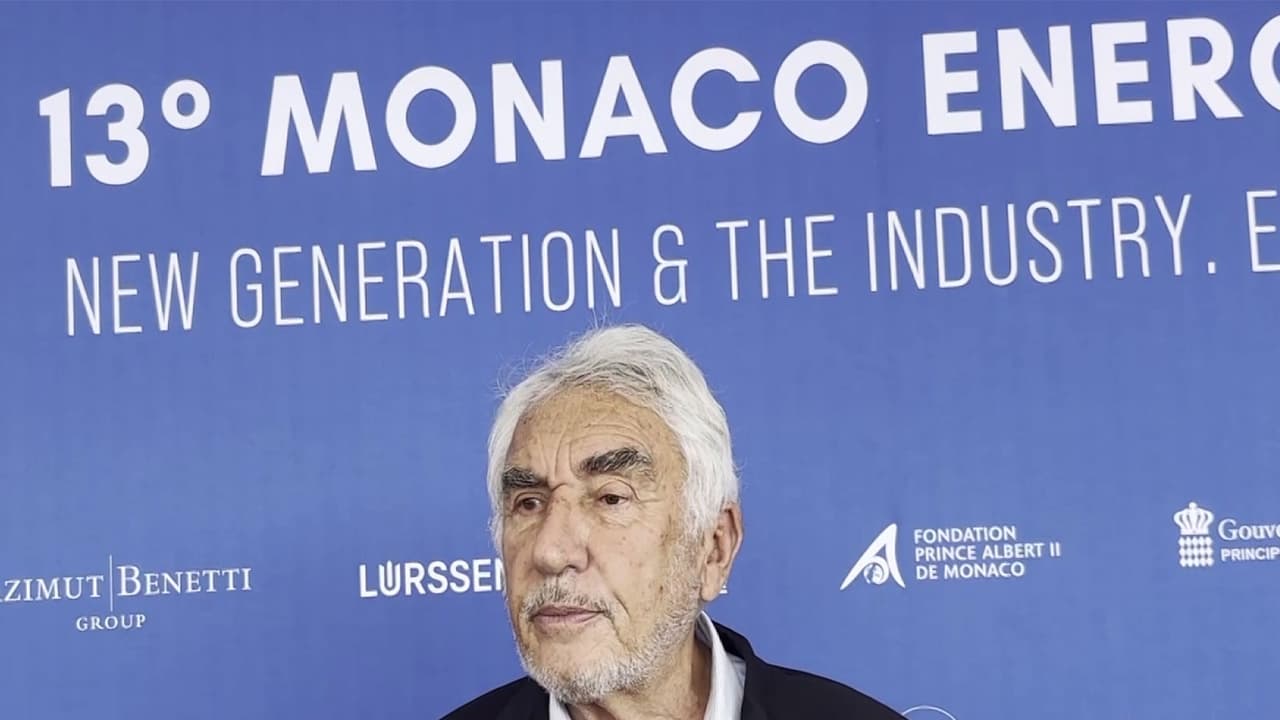
India is carving out a role in sustainable yachting, says Monaco Yacht Club’s Bernard d’Alessandri. He highlighted India’s ‘white page’ opportunity to build new-gen marinas and boats, citing the performance of team Sea Sakthi as a key marker.
India’s ‘White Page’ Advantage
“India is a large country and a young country, and you are in the phase of development for yachting,” d’Alessandri said, adding that this presents a unique opportunity. “You can start with a white page, and it’s much easier to start in a good way.” He noted that while Monaco must now work to transform its existing marina infrastructure, India has the advantage of building “a new generation of marina” and adopting “a new generation of boat” from the ground up, without the constraints of legacy systems.On the question of India-Monaco collaboration in marine innovation, d’Alessandri pointed out that India’s engagement with sustainable boating is not new. “India was one of the first countries to come to the Monaco Energy Boat Challenge,” he said, describing the partnership as important given the ecological sensitivity of Monaco’s own waters. He compared the Mediterranean coastline Monaco operates in to “a small lake,” noting that large vessels can cause outsized environmental damage in such confined waters, a concern he said makes sustainable technology partnerships, including with India, especially valuable.
A Proving Ground for Marine Sustainability
D’Alessandri also spoke about the broader significance of the Monaco Energy Boat Challenge, now in its 13th year, which brought together 54 teams from across the world this season. He described the event as a proving ground for the maritime industry’s sustainability ambitions, built around young engineers and student teams. “This big meeting is unique in the world, to have so many engineers working in the same sense to do something and change this industry,” he said, calling yachting “a wonderful industry” that nonetheless carries a responsibility to protect ocean ecosystems and seabeds.He framed the competition as part of a wider ecosystem approach, one that includes shipyards, marina maintenance, and boat-building — all of which need to move toward sustainability together. “We are in a mini smart city for the future,” he said of the event and its collaborative environment involving students, startups, and established marine industry players.
A Mix of Energy Solutions
On the question of which clean technology, hydrogen, electric propulsion, or alternative fuels, holds the most promise for decarbonising the marine sector, d’Alessandri drew a parallel with the automobile industry’s own transition over the past two decades. Just as cars today range from electric city vehicles to other formats built for longer journeys, he said the marine sector will likely need a mix of energy solutions suited to different functions rather than a single dominant technology. “You have to find good energy, and you have to think in the right way to not do more damage,” he said.For India, which is simultaneously scaling up its clean mobility and green energy ambitions on land, d’Alessandri’s comments suggest the country’s early involvement in events like the Monaco Energy Boat Challenge and the performance of teams like Sea Sakthi could position it as a meaningful player in the next phase of global marine sustainability efforts.(Except for the headline, this story has not been edited by Asianet Newsable English staff and is published from a syndicated feed.)